Teaching Vocabulary to Upper Elementary Students - Tier 2 Words
4 Quick Tips to Engage Struggling Readers Upper Elementary
Whether you have struggling readers or reluctant readers in your upper elementary classroom, these quick and easy-to-implement tips will help you to engage them and give them some strategies to build their comprehension toolkits.
When it comes to building readers, there are five components that help readers: phonemic awareness, phonics, fluency, vocabulary, and comprehension. The ideas I am sharing below will help you to strengthen the comprehension of not just struggling readers, but all readers!
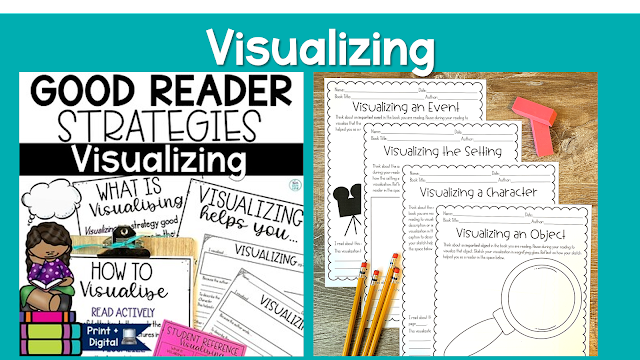
Want to try this out? Grab the FREE visualizing activity!
When it comes to text length for struggling or reluctant readers, the shorter, the better! Using shorter texts helps students to feel like they accomplished a full reading activity in a short amount of time. When a text is too long, it is overwhelming for struggling readers. Using typed text is one way to use short text, but I like to use authentic reading material. That is why I use anthologies, poetry, and books of short stories.
Try these out to get started with short, authentic texts:
- Every Living Thing by Cynthia Rylant
- Kidstory: 50 Kids Who Changed the World by Tom Adams
- Where the Sidewalk Ends by Shel Silverstein
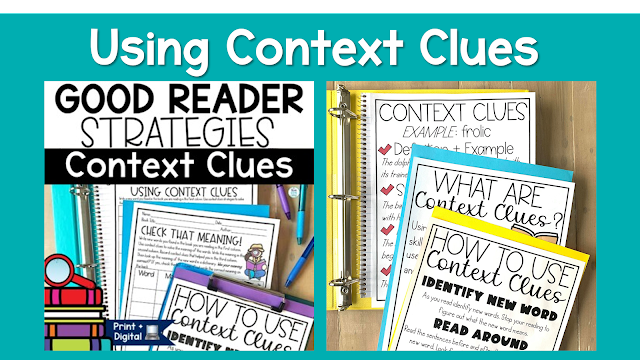
Build vocabulary by focusing on important words before reading. Previewing important words will help students' fluency and comprehension. You can even use important context clues strategies when the words come up during the reading. After reading, reinforce the words from the text with visualization sketches to really help students understand and use the new words, building their vocabulary.
This tip is a game-changer for struggling readers! Using previously read books makes a big impact on helping students grow as readers and to learn new reading strategies. When you use a book that you have previously read with your class for a new mini-lesson, students can focus on the new skill you are teaching instead of having to figure out and understand the book AND the new skill you are teaching. This tip truly helps alleviate stress and confusion in struggling readers who will feel overwhelmed with new books. Plus, this tip truly shows students that one book can be read many times, and each time they are read with a new lens!
When it comes to re-engaging struggling or reluctant readers, these tips will help! I have seen them work and ignite a love of reading in my own students, and I know that they will work for you and your students, too!
You will also love reading:
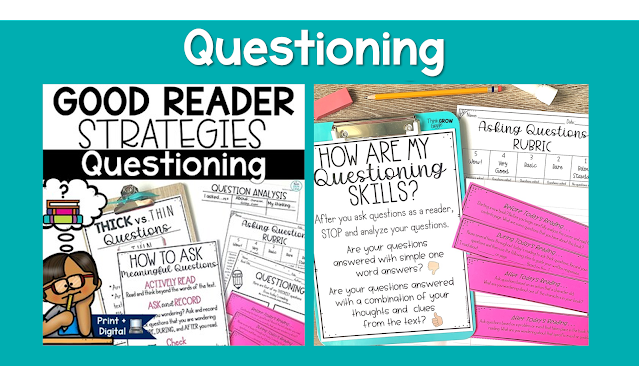
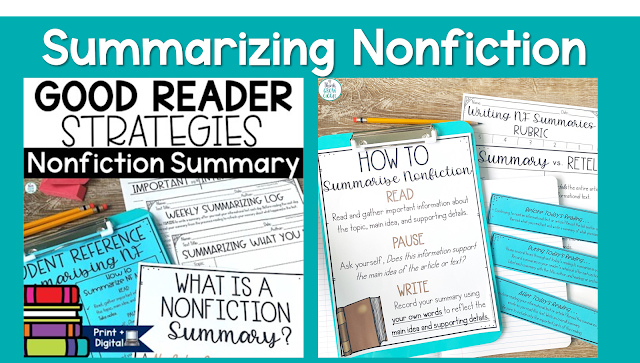
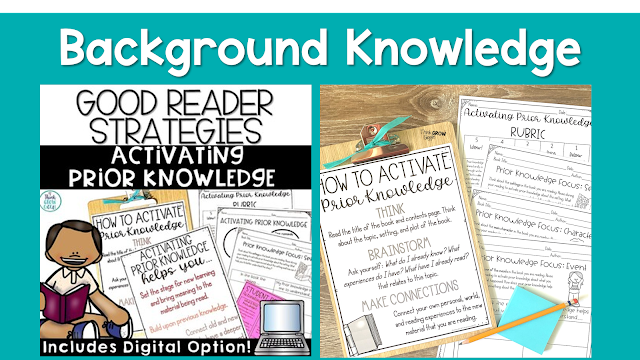
Check out my favorite reading strategy packs HERE.
Like these inferring activities:
LOVE these ideas? Pin to save!
affiliate links: “Think Grow Giggle is a participant in the Amazon Services LLC Associates Program, an affiliate advertising program designed to provide a means for sites to earn advertising fees by advertising and linking to Amazon.” (source: Section 5)
Using Reading Strategies to Help Readers Grow
Reading strategy instruction can be overwhelming at first to plan and implement, but it is important to teach students how to use reading strategies they read independently. It exposes students to multiple techniques to help them truly comprehend the text at hand.
- see reading strategies in action multiple times
- learn how to apply them to their own independent reading
- have the opportunity to practice the strategy in isolation
- build their reading strategy repertoire
- learn how to apply more than one reading strategy when reading complex texts
- understand the books that they read at a deeper level
I have compiled tried and true teaching strategy resources that I use with my own students into convenient print-and-go packs to make planning, teaching, and practicing easier!
Each reading strategy pack includes:
- anchor charts
- graphic organizers to scaffold instruction
- student practice pages
- task cards and reading passages
- independent reading tasks
- many sets have modeled examples
- and so much more in both print and digital formats
Which reading strategy set will you use today?
Take a closer look at each reading strategy set by clicking the images below.
Love IT!!"

LOVE these reading strategy sets?
Be on the lookout for new sets being posted here!
3 Tips to Promote Powerful Reading Conversations and Discourse
Are you looking to strengthen student reading comprehension, increase class participation, and help your students develop a love for reading a wide range of books? By engaging students in powerful reading discourse, you will help your students do all three!
When students engage in reading discourse with their peers about the books that they read, their motivation and interest in reading increase, and their comprehension skills become stronger. This is because students must listen to what others say and then join the conversation by responding using both their own opinion and text evidence. When students are engaged in conversations about books they use the reading strategies that you have taught them to dive deeper into the books that they read.
Increasing the amount of conversations about books that kids have with their peers each day is a great way to strengthen student comprehension skills. Here are three ways that I promote powerful reading conversations and discourse in my classroom.
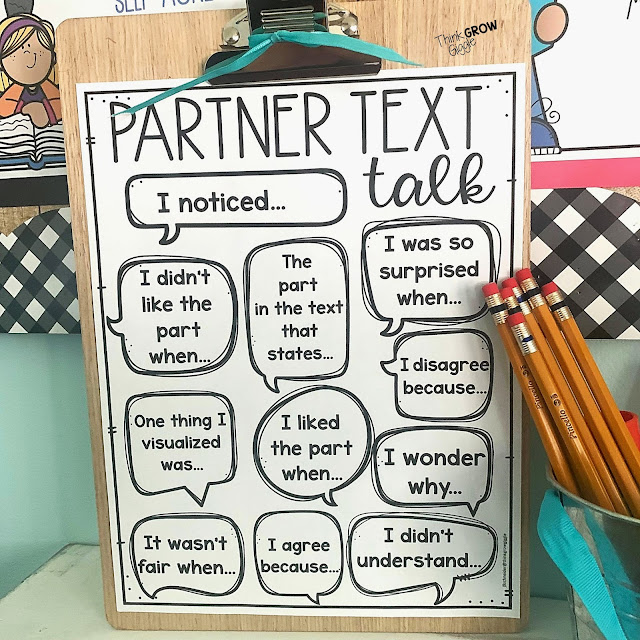
1. Give Them the Reading Stems
In action in my classroom:
My students know that one of my favorite classroom phrases is, "Keep the conversation going!" I have these stems on a bulletin board in my reading corner. Next to it, is an anchor chart with step-by-step directions on how to keep the conversation going. Here are the directions on the anchor chart:
- Turn to face your partner.
- Sit eye to eye and knee to knee.
- Listen with attentive ears as your partner speaks.
- Respond using a reading stem to keep the conversation going.
- Repeat!
Students learn these stems quickly. I practice these right from the start of the school year using my favorite back-to-school read-alouds. You will notice after a few weeks of practice, students really do learn how to keep the conversation going!
These reading stems are especially useful for students who struggle to add their own thoughts to a conversation. Often times the conversation between readers can die off after one person makes a comment. By telling students to keep the conversation going, they know they need to bring that conversation back alive with one of the given reading stems!
2. Revisit Previously Read Books
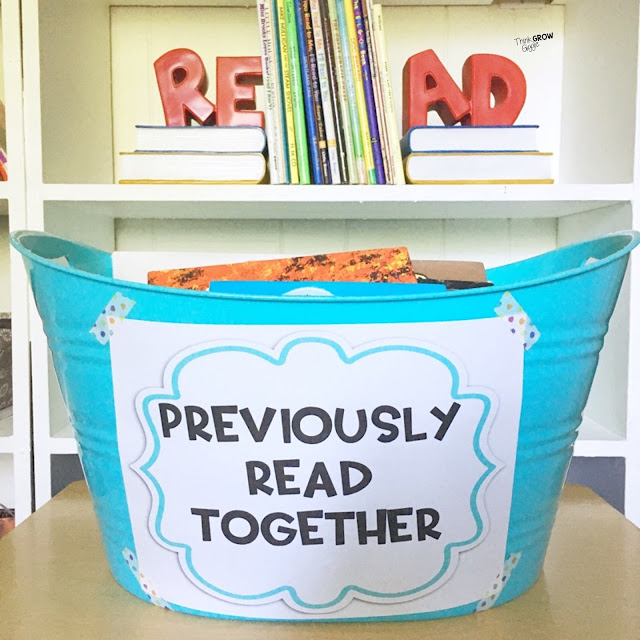
Using previously read picture books as a part of your reading routine is a great way to increase student participation and confidence. In my classroom, this large bucket can be found in my reading corner. Any picture book that I have read aloud and that we have discussed and digested together goes into this previously read bucket. Since the students are already familiar with the books in this basket, it makes it easier for them to engage in discourse around the story. That is why many times I use books from this basket during mini-lessons, small group instruction, and during reading conferences.
In action in my classroom:
In addition to using these previously read books as a teaching tool, students are welcome to revisit any book in this bucket. When students reread books from this bucket they are increasing their fluency and comprehension. When struggling readers revisit books from this bucket they are increasing their confidence. There are so many benefits of having a bucket like this!
3. Focused Mid-Reading Break
I have found that the best way to get students to engage in meaningful conversations with their peers about the books that they read is to give them a specific question to think about as they read. By telling them the question before they read, you are giving them a focus and a purpose. As students read, they take quick notes and ideas to be able to answer the proposed question through rich dialogue filled with examples from the text. When it is time to discuss the book and question with their reading partner they are armed with specific examples and notes and the reading stems to help them keep the conversation going!
In action in my classroom:
During our reading block, we have a mid-reading break. Before students begin independently reading, I write a question on the board/chart paper. If we are in the middle of a character unit, the question might simply be: What character trait does the main character have? As the students read, they collect evidence to answer that question during the mid-reading break partner discussion. About halfway through reading, I stop the students, they get with their mid-reading break partner, and have a discussion about the character traits of the main character. They use both their notes and the reading stems to keep the conversation going! The kids love this time of the day and always look forward to it. After about five minutes, I stop the conversation and the kids head back out to finish their independent reading.
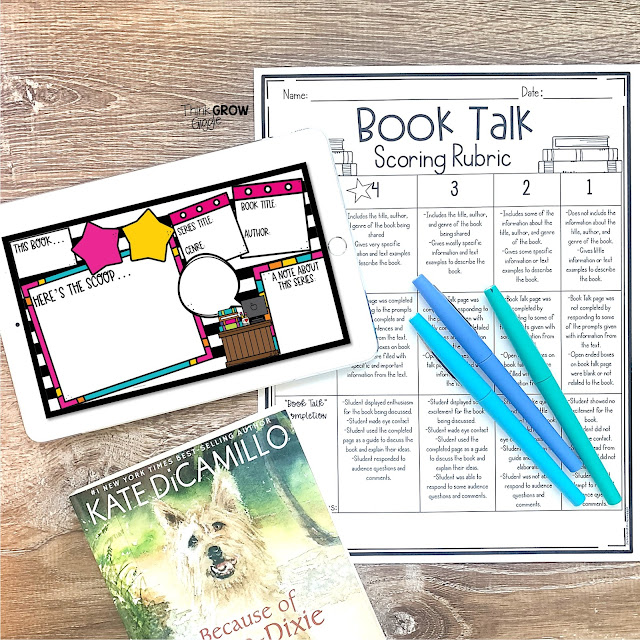
BONUS IDEA: Weekly Book Talks
When it comes to engaging students in meaningful reading discourse, try some of these ideas!
You will see a big increase in student confidence, participation rate, and overall reading comprehension! The more practice opportunities that you give students to engage in meaningful reading discourse, the more they will begin to put this into practice on their own.
Want to get started engaging students in meaningful conversations about the books they read? Grab this FREE book recommendation form and start today!
You will love reading these related posts:
Looking for critical book talk activities that kids love? Try THESE.
Love these ideas? Pin to save them!
Visualizing Reading Strategy Lesson Ideas and Activities

- Become an active and alert reader, making predictions as they read.
- Notice details and specific language in the text.
- Better understand key story elements.
- Understand character emotions, and make connections with them.
- Recall and summarize the text easily.
- Self-monitor their own comprehension.
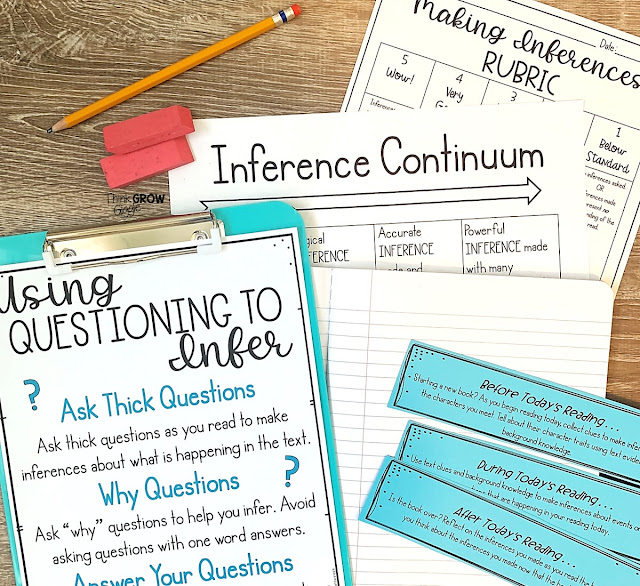
- Make inferences as they read.
- Get into the world of the book.
As we teach students to make mental pictures and visualize as they read, we must provide students with opportunities to practice pulling their own background knowledge and gathering important language from the text to help create their own creative mental image of the books that they are reading to understand the text at a deeper level.

So how can we get students to make meaningful mental images as they read to help them better understand the books that they are reading? Add these visualizing activities to your reading lesson plans to help you teach this reading strategy successfully and have your students hooked on visualizing as they read in no time at all!
Let's Listen Carefully
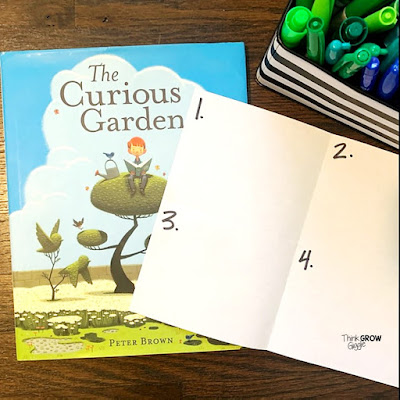
Three important discussion questions to ask during the illustration share time are, How are your illustrations the same and different than the ones in the book? What words from the text helped you to create that illustration? How do your illustrations help you to better understand the story?

While there are so many amazing picture books to use for this activity my three favorites are:
- Curious Garden written by Peter Brown
- Owl Moon written by Jane Yolen
- The Paperboy written by Dav Pilkey
Try this: Want to mix up this activity? Instead of reading aloud a picture book and stopping to have students create their illustrations, have the students listen to a book from Storyline Online. Don't let them see it until after they have all 8 illustrations done. Then watch the story together, stopping and discussing how their illustrations match the movie. My favorite one to use for this activity on Storyline Online is Brave Irene or A Bad Case of the Stripes.
Break It Down
Since visualization is a reading strategy that many students easily latch on to, it is sometimes easy to glaze over teaching this strategy. Don't! The more time you spend breaking down the how, why, what and when to visualize techniques, the deeper your students will dig into the text's meaning. By explaining this step by step approach, students will begin to pay close attention to the author's words and use them to create their mental images.
Here are the steps I teach:
- Read Actively: pay careful attention to the words that the author uses in the text to help form pictures in your mind
- Visualize: Use the author's word and your own thoughts and creativity to create a movie in your mind of what is happening in the text.
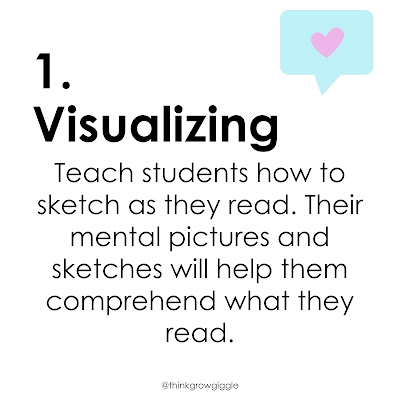
- Sketch: Create a quick sketch of the important details found in the text and reflect: How does this sketch help me better understand the story.
Character, Setting, Events, and Objects, Oh My!
When it comes to visualizing I make sure that students visualize story elements. By stopping and visualizing characters, settings, events, and objects young readers can get into the text and begin to predict what will happen next, how a character is feeling, and begin to make inferences along the way. We practice visualizing characters, settings, events, and objects during our chapter book read aloud. My favorite to practice visualizing these elements is The City of Ember written by Jeanne DuPrau.
I especially love this book because the world that the author creates is like nothing the students have ever experienced, forcing them to visualize and imagine the world in their own minds. Additionally, the author does an amazing job of describing the characters' actions, feelings and emotions, making it easy for students to stop and visualize and then use their images to help them better understand and make inferences about the characters.
And super fun teacher bonus, this book is also available as a movie. Watch it, or even just bits and pieces of it, and have students compare and contrast their mental images with what they see in the movie.
Sketch it Out
When teaching visualizing I am always sure to emphasize that when students visualize as they read they can create a "quick sketch" in their readers' notebooks. It is a great way to hold students accountable for independently reading AND using a reading strategy. While I want students visualizing, I do not want them drawing the whole time instead of reading. Their sketches should support the work that they are doing as readers and not take over. Grab a free sketching activity to use at the bottom of this post.
I have found that by giving students specific visualizing tasks to complete before, during, and after they read, keeps students focused and on task during their independent reading time and helps keep a balance between reading and sketching. Grab a free sketching activity to use at the bottom of this post.
![]() |

Comparing Mental Images
I love having students meet up during our mid-workshop break to chat about the books that they are reading. I love to also pause our read aloud to have students turn and talk about the books that I am reading to them. During a read-aloud go a step beyond just having students make mental images. Have them compare and contrast their mental images with their reading partners'. This will give students an opportunity to see the book from their peer's perspective but also they will pick up on specific author's language that they may have missed.

When it comes to a reading strategy that engages all levels of readers, visualization is it! Not only is it highly engaging, but it truly helps students dig deeper into understanding the complex texts that they begin to read as upper elementary students. Once students become experts at visualizing you will find that they begin to make inferences as they read, are able to independently use context clues to learn new words, and understand tricky figurative language. Teaching students to visualize effectively is well worth the classroom time spent on direct instruction.
Love these visualizing lesson ideas? Pin to save them!

Grab the printable AND digital visualizing set HERE.
*affiliate links: “Think Grow Giggle is a participant in the Amazon Services LLC Associates Program, an affiliate advertising program designed to provide a means for sites to earn advertising fees by advertising and linking to Amazon.” (source: Section 5)