Showing posts with label Writing Activities. Show all posts

9 Morning Work Ideas for Upper Elementary

9 Morning Work Ideas for Upper Elementary


The first few minutes of the school day are so important!  As students trickle into the classroom, some are still sleepy and others are full of energy; so having a calm, consistent morning routine in place will kick off your day and your students' day on a positive, structured note. 

A simple and predictable morning routine helps students transition smoothly from home to school, settle into the learning environment, and start the day with purpose. It provides structure, reduces unwanted behaviors, and gives me a few valuable minutes to take attendance, check in with students, and handle morning tasks.

However, more importantly, a morning routine sets a positive tone and aids in classroom management. When students know what to expect and are engaged from the start, it creates a smoother start and a more focused classroom culture throughout the day. 

Our morning routine includes:

  • entering the classroom and saying good morning to the teacher
  • putting belongings away in the cubbies
  • signing up for lunch
  • handing in notes and notices
  • submitting homework
  • sharpening pencils
  • completing morning work tasks
  • morning meeting time


Whether you are a new teacher, a seasoned teacher, or changing grade levels to upper elementary, you are probably asking yourself what the best morning work for upper elementary is!

Over the years, my morning work routines and expectations have varied greatly. It has been dependent on how much time I have in the morning and whether or not we have a first-period special. Regardless of our schedule, sticking to our morning routine and completing our morning work activities is essential.


💡Teacher tip: Be sure to practice your morning routine and clearly communicate your morning work expectations to your students. We practice these routines repeatedly during the first few weeks of school.

Try these ideas to make morning work an important part of your morning routine!


Morning Work Ideas for Upper Elementary

1. Read a Book

Once students finish unpacking and settling in after arrival, picking up and reading a book is a great way to ease into the day. I have students read an independent reading book or any other book they want to select. I encourage a wide range of genres, allowing the kids to explore our classroom library. The kids do not read the books from their reading bins, as they are intended for instructional purposes. Reading a book is a simple, no-prep way to start the day that encourages the joy of reading.


2. Get Coloring

Coloring is a favorite activity among upper elementary students! Over the last few years, the kids I work with have developed a love for coloring and getting creative. That's why I love incorporating coloring pages into the classroom for morning work! We use Doodle Thinker pages and Color by Code pages during morning work. These are great ways to bring intentional coloring into the classroom that promote both relaxation and fine motor skills, while also encouraging critical thinking activities, too!


Depending on how much time you have set aside for morning work, one Doodle Thinker page or Color by Code page can be carried through a few days, making them the perfect soft start to the day that requires only copies to be made. 


🖍 What are Doodle Thinker activities?

Doodle Thinker coloring pages are intentionally designed to combine coloring with ELA tasks, all focused on a specific theme. As students color the images on the page, they begin to build vocabulary and background knowledge on the topic or theme. The kids can color the pages anyway they like, offering a chance for them to get creative! After coloring, there are three activities: Find it, List it, and Write it. All three tasks are related to the topic of the coloring pages, making it easy for kids to get writing.


morning work coloring pages 3rd 4th 5th grade


Try out Doodle Thinkers:

Back to School Doodle Thinkers

✅ Seasonal Doodle Thinkers

Holiday Doodle Thinkers

Social Emotional Learning Doodle Thinkers

Figurative Language Doodle Thinkers

✅ Science Doodle Thinkers (coming soon)


🖍 What are Color by Code activities?

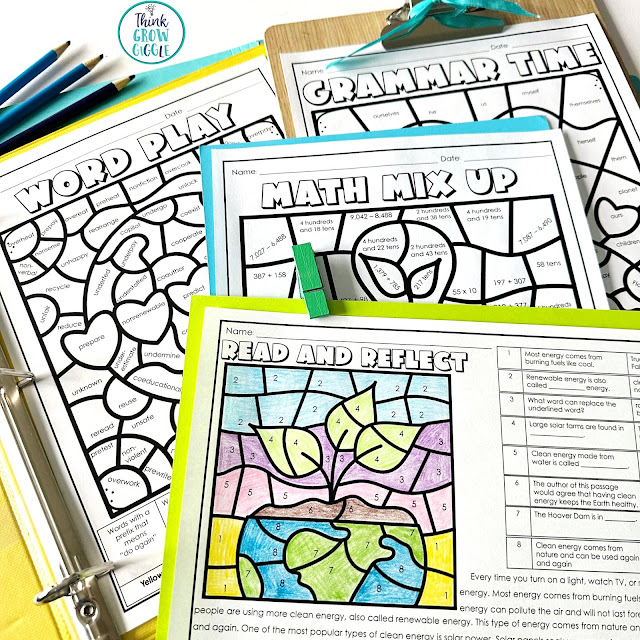
Color by code activities are more structured way of coloring than Doodle Thinkers. Each page has a specific task or skill for students to practice. Students answer a question and color the given image based on the "code" on the page. Once all the questions are answered and the image is colored in, the students identify the mystery picture, ultimately self-checking their work.

morning work pages 3rd 4th 5th grade


Try out Color by Code Activities:

Back to School Color by Code

✅ Seasonal and Holiday Color by Code

Sports Color by Code


3. Unfinished Work

If you have your students keep an unfinished work folder, this idea is for you! In my classroom, we always have an unfinished work folder. This is a safe place for students to store any work in progress, ensuring it doesn't get lost and that it does get completed. It can be a quick math review page or a project, anything the students have not finished. Having students complete work in their unfinished work folders is a great way to incorporate a no-prep morning activity into your routine. Since not every student will have unfinished work to complete, have those without unfinished work read.


4. Word of the Day Routine

Use the morning time to build your students' vocabulary! Instead of introducing students to a word of the day, use this time to have one word for the week. Not only does it reduce teacher prep, but it also allows students to thoroughly explore the word, its syllables, parts of speech, and meaning, and provides ample time for students to practice, discuss, and write using the word of the week. This ensures mastery of each word, which is more valuable than introducing a different word to students each day.


🗣 Find out more about my tier 2 vocabulary instruction HERE


word of the week word of the day tier 2 vocabulary


5. Get in Grammar

Let's face it, grammar always gets cut out of our day! Get grammar into your day by adding it to your morning routine. You can do a simple sentence at the board or a quick independent activity. Either way, you will have a chance to address important grammar concepts every day of the year!


If you want to use a simple approach, write a sentence on the board each day. One or two sentences is enough. When you write the sentence, you can include simple errors like missing capitalization or end punctuation. Edit it with the class, discussing how you are fixing each sentence. Go one step further by discussing the sentence's structure, such as subject and predicate, the type of sentence it is, nouns, verbs, adjectives, and any other skills you must address. This is a simple, no-prep way to initiate grammar conversations. While this approach offers little prep, you will need to keep track of the skills you have addressed.


If you're looking for a more structured approach, grab the Getting in Grammar bundle. It includes slides and anchor charts that you can display to review the concept, as well as independent pages for students to work on each morning. While you do have to make copies of the pages, this program offers a structured approach that will help you feel confident that you have addressed all the grammar skills and concepts upper elementary students need.


daily morning work grammar activities 3rd 4th 5th grade


Try the free noun pack below!


6. Daily Writing - Choice Boards or Would You Rather?

The more students write, the better they become! Offering students a less formal opportunity to write, outside of your writing block, will help increase their motivation and build confidence during your writing block.


I enjoy weaving writing into my daily morning routine. I keep the prompts in the journal light, fun, and reflective of special holidays, days, themes, and seasons that the kids are experiencing. This is important because students can draw on their background knowledge and experiences to write. I have also combined my writing prompts into choice boards. This makes the morning preparation easier. I simply copy the one writing choice board for the month, and the kids can select which prompt they want to write to. You set the rules for writing that cater to your class's needs. Students can write to one prompt for the week, adding to and improving the same piece each day, or you can have students do a quick write on each topic every day of the week.


would you rather slides for morning work 3rd 4th 5th grade


👉Love this idea? Grab the Year-Long Prompts and Choice Boards


Want something a little quicker? Try having your students respond in writing to the Would You Rather Slides of the day. It is a great way for kids to read a question, respond to it in writing, and be ready to share! This set includes a writing page, but to make it no prep, shine the question and have the kids reply in a journal.


👉Want to try this idea? Grab the Year-Long Would You Rather Slides


7. Math Critical Thinking

The kids love to correct others, so having a daily error analysis task is a great way to increase motivation and engagement. These types of activities present students with a math problem that has already been completed by a fake student. Your students must determine whether they agree or disagree with each response. Every page follows the same format, making it a true routine to promote critical thinking from your students. Since each page features an optional 'Going Further' question, you can challenge students who need an extra boost.

Grab the print and go error analysis for your grade level that covers all the standards for the grade:

✅ Grade 2
✅ Grade 6 (coming soon)


math morning work activities 3rd 4th 5th grade


8. Daily Reading Foldables

I love having one activity page that lasts the entire week! It provides a structured routine for the kids and helps them get started right away. One way you can offer that consistency for your students is by using reading foldables.


Reading foldables provide a day-by-day routine for a specific focus or genre of reading. One reading foldable has four tasks, allowing for a buffer day if students need more time to complete one of the tasks, or if there is a shortened school week.


Reading foldables come in fiction short story reading, nonfiction text structure, and author's purpose

Here is how you can use them all week:

✅ Day 1 - Read the story/passage

✅ Day 2 - Complete the graphic organizer

✅ Day 3 - Reflect on the given reading task/strategy

✅ Day 4 - Respond to the comprehension questions

✅ Day 5 - Catch-up day/correct and review as a class


morning work reading activities 3rd 4th 5th grade


9. Soft Starts

Start the day with some hands-on activities that kids love! I love to keep a puzzle on the back table that kids can work on during downtime, and morning work is one of those times. Other hands-on activities that kids love include previously played class games, blocks, Legos, and flashcard practice. You can do a soft start every day, or once or twice a week, as a special day that kids look forward to. I like to use this idea on days that we are especially busy in the mornings because it can last as long or short as you want.


Don't be fooled into thinking that our "big" upper elementary kids don't love a good block set or puzzle! They absolutely do and just need the opportunity to dive in!


soft start morning activities 3rd 4th 5th grade


💡Teacher tip!

The best morning work is a combination of these ideas, so mix and match what works for you! You know your students and your schedule best. Customize a menu of morning work activities that will meet the needs of your students. You can mix up each day by alternating a content activity based on the day of the week. For example, you might have students complete grammar practice on Monday, reading foldables on Tuesday, math review on Wednesday, and writing on Thursday and Friday.


A sample mix may look like:
  1. Enter and complete the morning routine
  2. Grammar Practice, Writing, Reading Foldable, Math (depends on the day)
  3. Coloring Page
  4. Work on Unfinished Work
  5. Read Silently

There’s no one-size-fits-all answer when it comes to morning work! You can mix and match these ideas to fit your schedule, your students’ needs, and the tone you want to set each day. Whether you have five minutes, twenty, or even thirty, a consistent morning routine with purposeful activities helps students start off calm, focused, and ready to learn.

As your classroom evolves throughout the year, so can your morning work. Don’t be afraid to change things up or rotate activities to keep students engaged. With the right structure in place, morning work becomes more than just busy work...it becomes a meaningful part of your classroom community.

Happy teaching! : )


You would also love to read:


Save time and grab this coloring bundle, perfect for morning work!

morning work coloring activities 3rd 4th 5th grade


                      Love these ideas? Pin to save!

9 Morning Work Ideas for Upper Elementary


*affiliate links: “Think Grow Giggle is a participant in the Amazon Services LLC Associates Program, an affiliate advertising program designed to provide a means for sites to earn advertising fees by advertising and linking to Amazon.” (source: Section 5)



signature

3 Ideas for Student Biography Research Projects Upper Elementary

3 Ideas for Student Biography Research Projects


When the second half of the school year comes around, it is officially biography season in my classroom!


That is because when the second half of the year comes we shift our focus during reading and writing to nonfiction and informative text. The engagement is instant as kids just love to read nonfiction. After we get our feet with reading a wide range of informative texts, we begin to closely study biographies.


Students LOVE to read about real people and the impact that they have had on the world. Every year students are always so motivated during our biography research project time. Our biography project is the first research project of the year, so it is important to me that I support them every step of the way.


Over the years I have found that by breaking down the process step by step for our biography reports students are not only successful when writing their first research essay of the year, but they are able to take the skills that they learned throughout the unit and apply it to future research projects that we do, like studying endangered animals and National Parks


Continue to read to find out how I approach teaching BEFORE I expect students to research and write an expository research essay.


1. Break Down Biographies

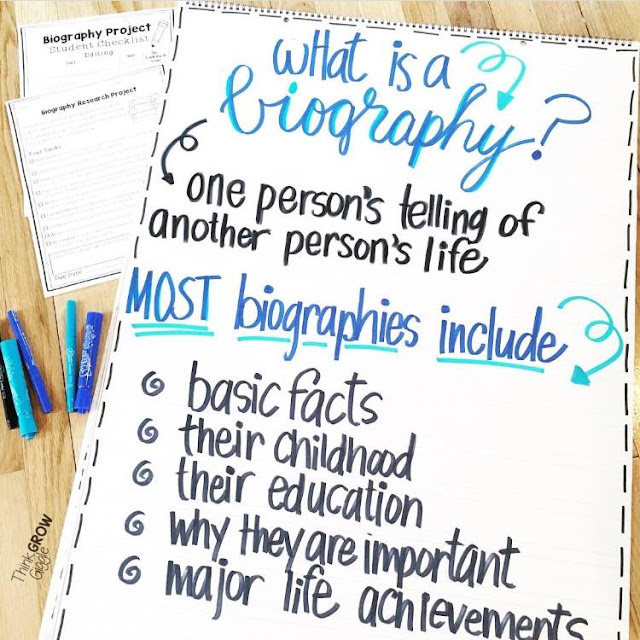
Biography Anchor Chart for Upper Elementary


Breaking down the genre of biographies is a great way to kick off a unit on biographies. Since we study biographies during our nonfiction reading unit, I start by connecting biographies to other nonfiction books that we have read. 

Creating an anchor chart together, I am sure to include that biographies:

  • are one person's telling about another person's life
  • can be about people who have died or are still living
  • include basic facts about the person of focus
  • include information about the person's education and childhood
  • usually tell about problems or struggles that they faced
  • describe their major life achievements

Once we have gone over the characteristics found in biographies we get reading so that students can find these characteristics in action.


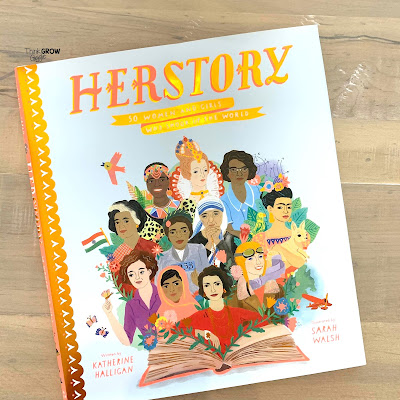
I start by reading a few short biographies like the ones found in anthologies like this one, Herstory written by Katherine Halligan:


Biography Reading Mentor Text Upper Elementary


We stop and discuss the elements that we listed on our anchor chart. I have students find examples of struggles, accomplishments, and facts.


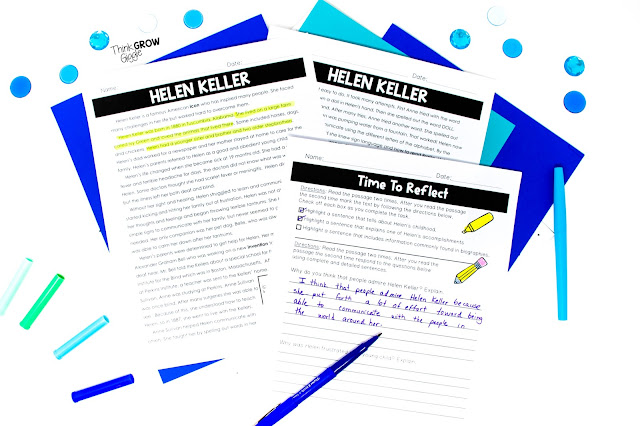
Once students have listened to a few biographies, I send them off to annotate a biography article


Annotating a Biography for Upper Elementary Students


Students take highlighters and sticky notes and mark up the text, citing where they found elements of biographies. This activity works well in partnerships so that the students can discuss each element with a peer.


At the close of this first lesson on biographies, I send students off with the task to think about a person that they would like to research. While I do like to encourage students to pick someone they are interested in, I do also guide them on who they select.


I tell my students to pick someone who has had an impact on the world and someone who is not a movie/TV/YouTube star. You can make any rules you want to help guide students or set no rules. I have found that spending a few minutes brainstorming appropriate people to research sets the tone for the whole project. That is why before we wrap up the lesson we brainstorm ten people who would be great to research. This brainstorming is just to get students excited and thinking. They do not have to pick from the brainstormed list.


The next day, after students have had time to think, and discuss it with their families, which I like to have them do, they submit their research request. They simply write their name on a piece of paper and the name of who they want to research and why. This is a great way to get students to pick someone intentionally and reduces repeat research projects. I never allow more than two people to pick the same person.


Grab the FREE form I have students use to request a focus person and guide right here.


2. Bring it Through the Writing Process

Writing Process Activities for Biography Research Elementary Kids


It is important to remember to directly teach students how to take notes during their first research project. Before students go off on their own to read and collect information for their reports, I teach students how to take notes. We use T-charts and Boxes and Bullets to help us keep our information organized.


A T-chart is easy to make and easy to use. On one piece of paper, students make a large T. One side keeps track of students' questions and on the other side, the students record the information that they found that answers that question.  Boxes and bullets are easy to use too. Students write the topic or main idea in a box, and below the box, they bullet information that supports that topic or main idea. Whatever note-taking strategy you use in your classroom be sure to explicitly teach students how to use it using any biography mentor text.


Once students have a good grasp on how to collect information, they are ready to work independently. I assign one topic for research each day. This helps the students stay focused on the daily task and make a research project manageable for upper elementary students. The breakdown I use for each day's research looks like this:


  • Day 1: Family Life and Early Childhood
  • Day 2: Young Adult Life
  • Day 3: Adult Life
  • Day 4: Accomplishments
  • Day 5: Other Important and Interesting Information


Sometimes days are combined based on what resources students are using to collect information. Once students have collected information for their report, we pause our research and return to the writing process.


Students know that we use the writing process for all of our writing. However, mini-lessons in certain areas specific to informative writing are necessary to help students write their first research project. Mini-lessons I teach before students write that are specific to informative writing include:


  • hooking your reader
  • paragraph organization
  • citing sources
  • strong closure to wrap up your writing


Teaching students how to take notes and what to do with their notes helps them successfully write their first research project.


3. Get Student Creative Juices Flowing

Creative Biography Project Ideas for Kids


Once students have researched, collected information, written their project that has been taken through the writing process they are now ready to get creative and share what they learned.

Over the years I have done a wide range of presentations from oral reports, to PPT, dressing up as the person they researched, and everything in between.

I have found the best projects and presentations come when students are given choices. I do require students to create a scrapbook as if they were the person of focus which gives them a deeper understanding of who they studied.  By creating a scrapbook filled with illustrations, tokens, and writing students truly get to know their focus person.

In addition to the scrapbook activity, students can select one of the following to share what they learned:

  • design a PPT presentation
  • create a tri-fold handout to teach others
  • create a puppet of the person
  • design a poster
  • prepare a speech as if they were the focus person
  • allow students to come up with an idea for their presentation. I have to approve their idea based on the resources and materials we have available in the classroom.

When students present their projects in my classroom, dressing up as the person they researched is completely optional. Since the entire project from start to finish is completed in the classroom, students' projects are truly their own. They have worked on the entire thing and have a huge sense of accomplishment. These are for sure the best projects of the year! 


When biography season comes around in your classroom, be sure to follow these tips for success! By breaking down biographies, using what students already know about the writing process, and allowing creative choice when it comes to project displays your students will be engaged, motivated, and write the best biography research projects you have ever seen.


You might be interested in reading:


Looking for more high impact writing resources? Click the HERE.


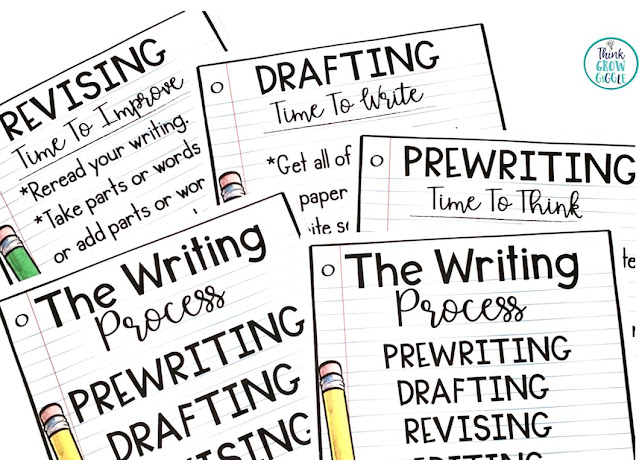
Writing Posters and Anchor Chart Bulletin Board Display Elementary


                    LOVE these tips? Pin to save!


Biography Project Ideas, Tips, Templates, Lessons Upper Elementary


*affiliate links: “Think Grow Giggle is a participant in the Amazon Services LLC Associates Program, an affiliate advertising program designed to provide a means for sites to earn advertising fees by advertising and linking to Amazon.” (source: Section 5)


signature

4 Spring Learning Activities for Upper Elementary

4 Spring Learning Activities for Upper Elementary


By the time spring arrives in the classroom, suddenly students are independent!


It is my favorite time of year!


My teacher heart goes pitter-patter just watching students get excited about new things, work together, and take the reins on their own learning. 


Spring is definitely the time of year when projects like math projects and research projects are front and center in my upper elementary classroom!


There are so many fun and relevant topics to explore with students once spring rolls around! I love to use seasonal topics and projects to engage students and harness the excitement that comes with spring fever. The list below includes my favorite topics and projects to do with students during springtime to keep them motivated and knee-deep in authentic learning.


Changing Seasons


The arrival of spring is the perfect time to learn about the changing seasons. Comparing spring to winter is a great way to kick off learning about the seasons. With winter and spring being so different, students will fill up their Venn diagrams in no time. Be sure to go a step further and have them turn their notes into a paragraph!


Grab this free print and digital activity below {at the bottom of this post} to get your students comparing the seasons!


spring and seasons activity


Upper elementary students are ready to go a bit deeper and understand the science behind how and why seasons change. Following this comparison activity, my students love learning about the spring equinox and why it is such an important day!


Get learning about the spring equinox in your classroom with these:


Bring all things spring to life for your students with these high-interest spring picture books...and bonus, grab the free teacher resources to go along with them!


Earth Day


There are so many different topics to learn about when it comes to Earth Day! The kids always love reading about recycling, pollution, rain forests, and how to do their part to help keep the planet healthy!  Not sure where to get started? The list below includes free videos and engaging activities to help you get started.


Another lesson we dive into during our Earth Day investigations is all about harnessing solar energy! After we learn about different types and forms of energy, the children work to create ways to harness solar power. Students also create solar energy homes that can turn the energy from the sun into energy to run their homes. 


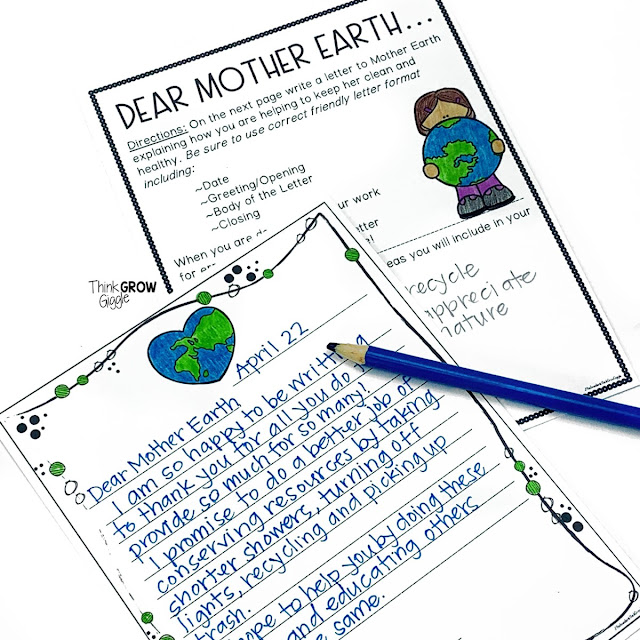
earth day writing activity


Endangered Species


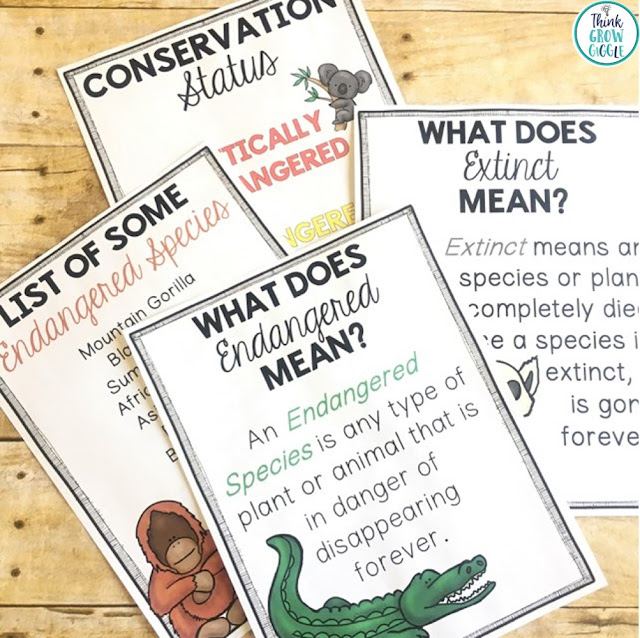
My favorite spring project is focusing on endangered animals! During this unit, we spend a lot of time discussing the difference between extinct and endangered species, as well as the different levels of endangerment that can be found on the endangered species conservation list. 


Students love to research different endangered species! To make this research project manageable for students to work independently, I break down each step of the process for them, assigning them one component each day. This allows them to be independent while doing the research but they are still guided in how to collect and compile the information that they learn.


Once students have collected the information, they write their endangered species essays. Students are responsible for presenting what they learned to the class. I give them a variety of options for presenting. From posters and handouts to slideshows and persuasive speeches, each student can find the presentation format that is just right for them!


Get started on an endangered species project with these resources:


endangered animals activity for kids


Poetry and National Poetry Month


April is National Poetry Month! I love bringing poetry into my classroom every day, but I sure don't mind having a reason to read and write even MORE poetry! 


There are so many reasons why I love using poetry in the classroom! Here are some:


Poetry truly engages all levels of readers and writers! You will see a huge increase in participation when your reading and writing lessons are focused on poetry. Students love to read aloud poems because of their easy-to-follow rhyme and rhythm and they love sharing the poems that they wrote too! 


One type of poem that I LOVE writing during the spring is a Bio Poem. These are so much fun to write about towards the end of the year because they truly show how much students have grown! 


Teacher tip: Have your students write bio poems at the start of the school year to help you get to know them, and then again at the end of the school year. You and the students will be amazed at how much they have grown as writers and as students. I love adding these to their writing portfolios!


poetry month activities for kids


When spring fever is in the air...engage your students in high-interest activities that will promote their love of learning and get them independently researching, reading, and writing! From the spring equinox to Earth Day and everything in between, your students will learn so much and enjoy every minute of it!


Happy spring teacher friends!


You might be interested in this cross-content
Spring Pack

4 Spring Learning Activities for Upper Elementary


LOVE this post? Pin to save these ideas!


4 Spring Learning Activities for Upper Elementary


*affiliate links: “Think Grow Giggle is a participant in the Amazon Services LLC Associates Program, an affiliate advertising program designed to provide a means for sites to earn advertising fees by advertising and linking to Amazon.” (source: Section 5)
0


signature

7 Opinion Writing Mentor Texts for Upper Elementary


7 Opinion Writing Mentor Texts for Upper Elementary

When it comes to teaching writing, I can not live without mentor texts


Any writing genre is brought to life by reading mentor texts that engage students and get them excited to write their own pieces. Opinion writing is no exception. We love referring back to these opinion writing mentor texts throughout our entire opinion writing unit and all year long!


To kick off opinion writing, we discuss the elements found specifically in opinion writing, create opinion writing class anchor charts, and get knee-deep in these opinion writing mentor texts.


Read about each of my favorite opinion writing mentor texts below and grab a FREE opinion writing starter kit to help your students master the art of writing opinion essays. 


Which Would You Rather Be? 

written by William Steig


7 Opinion Writing Mentor Texts for Upper Elementary


Which would YOU rather be, an adult or a kid? Fun thought, right? This book is filled with just simple questions to ask students about which they would rather be. Students will practice answering opinion questions with their own thoughts and supporting reasons through this picture book read-aloud. This also provides great topics that you can assign students or groups of students to respond to in writing like, Which would you rather be, a cat or dog? This is a great one to read to kick off your opinion writing unit.


I Wanna Iguana 

written by Karen Orloff


opinion writing picture books


I Wanna Iguana, written by Karen Kaufman is one in a series of books that brings opinion and persuasive writing to life for kids. Written in a series of short letters between the main character Alex and his mom, this fun read-aloud will have your students rooting for the main character to get that iguana! Each page and short letter from Alex includes a reason he believes his mom should allow him to get a pet iguana. This fun family debate is perfect for any opinion writing, persuasive writing, and debate writing activity in your classroom!


The Perfect Pet 

written by Margie Palatini


7 Opinion Writing Mentor Texts for Upper Elementary


In this book, the main character Elizabeth really wants a pet. She tries to convince her parents to allow her to have a pet using different supporting reasons and examples of why it would be a good thing. The surprise ending will not only make your students giggle but help them to understand how opinion writing and persuasive writing are connected.


Be sure to grab the FREE opinion writing starter kit at the bottom of this post.


Southwest Sunrise 

written by Nikki Grimes


7 Opinion Writing Mentor Texts for Upper Elementary


This easily relatable story tells the tale of a young boy who moves from New York to New Mexico. When he first arrives in his new dwellings he hates New Mexico. As the story continues, and the main character explores all the wonders his new home has to offer, his opinion begins to change. I love reading this book and discussing its powerful message about how we can change our opinions. This book brings up discussions about how we should not form opinions without reasons or support to back up our opinions and about how our opinions can change. Very thought-provoking and a must-read!


Things To Do 

written by Elaine Magliaro


7 Opinion Writing Mentor Texts for Upper Elementary


Things to Do is an amazing collection of poems, each giving the reader an idea or opinion about what you can do as each topic. If you are a bird, you can stretch your wings. If you are an acorn you can tempt a squirrel. If you are rain, you can freckle windowpanes. I love having the students write quick opinion poetry about an object that they love or use each day following a read-aloud of this book. I especially love reading this book to show children that opinions are in many forms of writing, not just opinion writing essays. This is a fun one!


A Fine Fine School 

written by Sharon Creech


opinion writing read alouds


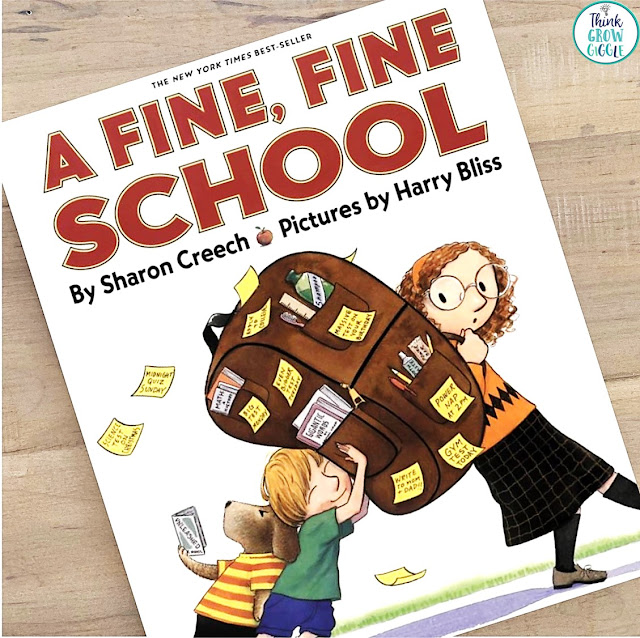
This book is a staple in my classroom! So many reasons to read and reread this book, one of my favorites is to discuss opinion writing and differing opinions. The principal in the book loves the school so much that he adds more days to the school calendar. The teachers and students have a different opinion about adding days to the school week and calendar. Nothing changes until one brave student decides to share her thoughts and opinions (with supporting reasons) with the school principal. This book provides a great opportunity to discuss differing opinions.


Be sure to grab the FREE opinion writing starter kit at the bottom of this post.


Great Kapok Tree 

written by Lynne Cherry


persuasive writing read aloud picture books


Don't just save a reading of The Great Kapok Tree for Earth Day or your favorite rainforest and endangered species project, read this book to explain opinion and persuasive writing to your students! This story illustrates opinion writing in a more subtle way. Each animal that lives in the Great Kapok Tree shares its opinion about why the tree is important and why it should not be chopped down. There are so many follow-up opinion and persuasive writing activities that you can do following a read-aloud of this book, making it the perfect mentor text for every upper elementary classroom.


When it comes to helping students fully grasp the genre of opinion writing, be sure to share mentor texts. They are perfect to read together, find evidence of the genre, and inspire your young writers!


Looking for Opinion Writing Activities
? Try These!


opinion writing activities for kids


LOVE this post? Pin to save these ideas!


opinion writing lesson plan ideas for kids


*affiliate links: “Think Grow Giggle is a participant in the Amazon Services LLC Associates Program, an affiliate advertising program designed to provide a means for sites to earn advertising fees by advertising and linking to Amazon.” (source: Section 5)


signature

3 Easy to Implement Tips to Teach Opinion Writing


3 Easy to Implement Tips to Teach Opinion Writing


Opinion writing is naturally a high-engagement unit. Students LOVE to share their opinions, verbally and in written form. I love harnessing all of their excitement into meaningful lessons that truly teach students each step of writing opinion pieces.


When it comes to writing instruction we focus on three major units: narrative writing, procedural writing, and opinion and persuasive writing in the same unit. We group opinion and persuasive writing together since persuasive writing is focused on the writer's opinion. Once students have mastered opinion writing, we dive into persuasive writing. Persuasive writing goes one step further than opinion writing, as it not only shares the author's opinion but also focuses on convincing the reader that the author's opinion is correct with additional writing techniques. Come spring, we take a break from writing in these genres to get our writing feet wet with poetry writing.


Here is how I break down the opinion writing genre for my upper elementary students to help them understand all of the different elements found in the writing genre. These tips are perfect for any opinion writing lesson at any time during the year or to tie together opinion writing and the seasons.


Whether you are just beginning an opinion writing unit or reviewing this important writing skill these tips will help your students be successful in writing opinion pieces.  Be sure to grab the FREE opinion writing starter kit mentioned in this post.


3 Easy to Implement Tips to Teach Opinion Writing


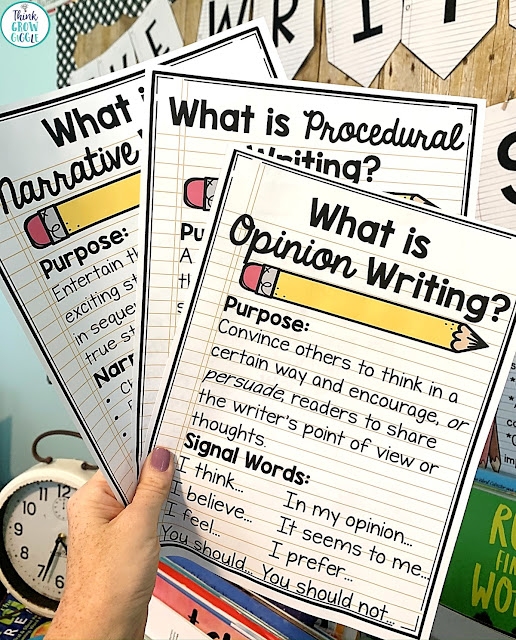
What is Opinion Writing?

Opinion writing is a form of writing where the author shares their opinion about something using examples and evidence. Ultimately, the writer wants the reader to agree with their opinion. By defining opinion writing as the very first step of teaching this writing genre, students know exactly what to look for when as we begin to explore our opinion writing mentor texts. 


What does Opinion Writing sound like?


Before we explore opinion writing mentor texts to truly see what opinion writing sounds like, we create two opinion writing anchor charts: one that includes a class agreed-upon definition and the second that includes opinion writing keywords.  Our list of keywords include:

  • I think
  • I believe
  • I feel
  • In my opinion
  • It seems to me
  • I prefer
  • My favorite
  • First, next, then, finally
  • In conclusion 


We refer back to these two anchor charts as we read our mentor texts to help us gather evidence of opinion writing. 

One of my favorite mentor texts to read that shows opinion writing in action is A Fine, Fine School written by Sharon Creech. (see all my favorite opinion writing mentor texts HERE.) 


3 Easy to Implement Tips to Teach Opinion Writing


Another way to show your students opinion writing in action is to use modeled writing. You can write your own, use student writing from previous years (be sure to take off the name and ask student permission first) or grab the monthly modeled writing that I use HERE or the modeled opinion writing for each season HERE

Be sure to grab the FREE opinion writing starter kit mentioned in this post.


opinion writing activities using modeled writing examples


3 Easy to Implement Tips to Teach Opinion Writing


How is Opinion Writing Organized?

Teaching students the structure found in opinion writing pieces helps to scaffold instruction for all levels of learners.  By explicitly teaching the structure of opinion writing right from the start, students will understand the key components of this writing genre. When introducing this form of writing, these are the three components that I teach and expect from students:

  1. Introduction: Hook the reader, introduce the topic, clearly state your opinion with a thesis statement.
  2. Body: Be sure to include at least 3 specific examples to support your opinion, using keywords throughout the body.
  3. Conclusion: Wrap up with a strong conclusion statement that clearly states your opinion again.

Once we have gone over and reviewed the structure of the opinion writing we go back to our opinion writing mentor texts and work together to identify the three components. If you have read several of opinion writing mentor texts, give groups of students one mentor text to reread, find the elements and share their findings with the class. You can create a chart that keeps track of each component of each picture book you read.

Grab this FREE opinion writing student reference page to accompany your opinion writing lessons!


opinion writing student reference page for interactive writing notebooks


Be sure to grab the FREE opinion writing starter kit right here!


3 Easy to Implement Tips to Teach Opinion Writing

Students love sharing their opinion about things that they value and know a lot about! By using broad topics for opinion writing like, what is your favorite after-school activity, students can use their strengths and knowledge that they already have to successfully write an opinion writing essay. By doing this, you will keep students motivated and engagement high!


TEACHER TIP: Not sure of an interest that will engage your students? Ask them! Brainstorm different topics with your students that they want to write about. From that list you can allow choice or assign a topic you want them to write.


What Opinion Writing tips will help students shine?

Build on student interest and motivation by teaching your kids some opinion writing tips that will make their essays top-notch.

Try these tips:

  • Start off strong to engage your readers
  • Know who your audience is that is reading your writing
  • Use a mix of keywords, supporting details, and interesting word choice to keep readers engaged
  • Wrap up with a strong conclusion that restates your opinion


Opinion writing is a genre of writing that engages all levels of writers! By introducing opinion writing lessons with a broad topic or something else that students are interested in, like seasonal activities or relevant topics, students become invested in writing their best pieces. 


If you want to practice opinion writing all year long, introduce the genre in the fall and practice writing these pieces all year long! Follow these tips and you will see high success in your class!


Looking for Opinion Writing Activities

Try these print and digital opinion writing tasks your students will love!


high interest topics for opinion writing upper elementary


LOVE this post? Pin to save these ideas!


opinion writing activities for upper elementary students


*affiliate links: “Think Grow Giggle is a participant in the Amazon Services LLC Associates Program, an affiliate advertising program designed to provide a means for sites to earn advertising fees by advertising and linking to Amazon.” (source: Section 5)
66


signature
Back to Top