Showing posts with label Classroom community. Show all posts

Student Inventory Forms for Interests Learning Styles


I love using student interest inventories at the beginning of each new school year! Student inventories are essential tools that provide valuable insights into students' thoughts about school, interests, strengths, and needs. As teachers, we can tailor our instruction to help our students succeed by utilizing student interests and strengths, creating more engaging lessons, and providing targeted support, ultimately fostering a more personalized and effective learning environment. 


Inventory pages are easy to use and the perfect way to kick off the new school year! I use different inventories throughout the first week of school and consider them an essential component of my back to school teacher survival kit!


What is a student inventory?

Student inventories are activity pages for teachers to give students to better understand students' interests, strengths, and needs. These inventories can include surveys or questionnaires that gather information on students' thoughts about different school-related topics, learning styles, favorite subjects, hobbies, and extracurricular activities. 


Why use student inventory sheets?

By using student inventories, teachers can tailor their instruction to meet the diverse needs of their classroom, create more engaging and relevant lessons, and build stronger relationships with their students. All of these are critical for creating a strong community of learners! 


Here are 4 reasons you should be using student inventories in your classroom!


1. Understand Individual Learning Styles and Preferences


✅Tailored Instruction: By identifying how each student learns best (visual, auditory, kinesthetic), teachers can adapt their teaching methods to better suit individual needs, increasing the likelihood of student success.

Personalized Support: Knowing students' preferences allows teachers to provide more personalized support and resources, helping students feel more comfortable and engaged in the learning process.


2. Build Stronger Relationships


✅Creating Connections: Student inventories help teachers learn about students' interests, hobbies, and backgrounds, fostering stronger connections and a sense of community in the classroom.

✅ Enhancing Classroom Environment: Understanding students on a personal level can lead to a more positive and inclusive and positive classroom environment where students feel valued and understood.


3. Identify Strengths and Areas for Growth


✅ Learning Styles: Early identification of students' learning styles allows teachers to implement targeted activities and approaches right from the start of the school year.

✅ Academic Goals: Teachers can help students set personal academic learning goals based on their strengths and areas for improvement, promoting a growth mindset and encouraging continuous progress throughout the school year. This is why using academic inventories is so important!


4. Compile Data

One year, during parent-teacher conferences, a parent asked me what learning style their child had. I am unsure if they were trying to catch me off guard or were genuinely interested in knowing, but either way, I had my pile of student-completed learning style forms that I pulled out and let them know immediately. The parents were so impressed, and I was so happy to have been prepared!

After I interview each student at the beginning of the year and have the students complete learning style forms, I take out a class list to write which learning style strength each student has. Most people have more than one learning style, but I focus on which one style came through most from the questionnaires. I keep the class list with each student's learning style in my plan books so that it is handy when I plan activity lessons or attend student-specific meetings.


Try these free quick questionnaires to get to know your students!


Teacher Tip!

Do you love to do things digitally? 

Try this free and easy-to-use student learning style quiz. Before using a new website, be sure to get your school or district's permission. Kindly note: I am not affiliated with this site, but have used this with my kids. Once students answer a few questions, the site will let them know their learning style. Have the kids leave up that page so that you can walk around with a class list and write down which style each child was given as their strength.  This will support the forms that the kids fill out.

Make this the year that you start using student inventories! They will help you get to know your students, create an environment for success for each student, and are professional to have on hand for your next meeting. Have a great school year!


                   LOVE these ideas? Pin to save!


*affiliate links: “Think Grow Giggle is a participant in the Amazon Services LLC Associates Program, an affiliate advertising program designed to provide a means for sites to earn advertising fees by advertising and linking to Amazon.” (source: Section 5)


signature

This or That Questions for Students Would You Rather Style

This or That Questions for Kids to Build Classroom Community

Looking to build a strong classroom community this new school year or give your classroom a spring refresh? "This or that" and "Would You Rather"-style questions are just what you need to engage your students in classroom discussions every day!


"This or that" questions are a simple yet powerful tool for fostering a sense of community in upper elementary classrooms throughout the whole school year. They present students with two options to choose from, such as "Would you rather read a book or watch a movie?" These questions encourage students to share their own opinions, spark conversations, and help them discover common interests. 


Incorporating "this or that" questions into your daily routine can create an engaging and inclusive classroom environment where every student feels valued and connected. Engaging with "This or that" and "Would You Rather" style questions will not only begin to build a strong sense of classroom community from the first day of the school year, but it will also keep your community going strong all year long!


Not sure how to get started? I have five simple and easy ways to bring "this or that" questions into your classroom to elevate the level of discussion! With the rise of technology and tablets, our students can definitely use some guided practice on how to hold a conversation with their peers.


💡Bonus: Back to School Getting to Know You Idea...

This or that questions are perfect for the whole year but especially fun for a back-to-school getting-to-know-you activity! That is why I am sharing this bonus tip first! Use "this or that" style, or would you rather questions in a back-to-school carousel! 


Here is how...


Use "this or that" back-to-school task cards and attach them to a large piece of anchor chart paper. You can also handwrite "this or that" questions on top of each anchor chart paper. Hang about 5 or 6 anchor charts with "this or that"  questions around the room. Put your students in small groups and have them rotate through all the chart paper questions. 


Set the timer for 3-5 minutes for each station stop. during that time, have students read the question, discuss their opinions, and jot down which they prefer on the chart paper. When the bell rings, have the kids rotate. You can also have kids "cast their opinion/vote" by putting a tally under one of the choices. Don't end there; bring the class back together to chat about the different questions.


1. Start the Morning with a Slide

back to school this or that questions morning meeting


Use "this or that" question slides as part of your morning work or morning meeting routine. Use one a day, or select one day a week and do several question slides at once. Using these types of conversation starters each morning is a great way to welcome kids to school, have them engage in conversations with each other, and set a positive tone for the school day.


2. Get Them Moving with a Question - Brain Breaks

You can use "this or that" question slides as a brain break game. Use a few at once and have kids sit or stand based on their responses. If the question is "hamburger or hot dog" use visual cues so students know what to do. Hamburger = sit Hot Dog = stand. 


You can use other cues, too, like these ideas:

  • sit or stand
  • thumbs up or thumbs down
  • hold up one finger or two fingers
  • snap fingers or clap hands
  • walk to two different corners of the classroom


3. Partner Up with Some Task Cards


Back to school this or that questions task cards first day of school activity

Our students need help learning how to engage in conversations with their peers, and "this or that" slides are just the way to give them that practice. Use "this or that" questions as team-building activities that promote good conversation skills. Pair students up or have them work in small groups. Have them discuss their choices and then share with the larger group. This can help students practice communication skills and learn to appreciate different perspectives. 


Don't forget to teach students how to have a conversation with their peers! I always need to teach students how to face each other and make eye contact when talking. They also benefit from instruction and reminders on how to respond to each other's ideas. Once you teach and go over this several times at the beginning of the year, they will get the hang of it! This is especially important since so many kids are on tablets and machines and seem to be losing interpersonal skills.


Grab the free student discussion guide and a list of ten "this or that" questions to get started!


4. Think, Share, Write

back to school this or that getting to know you slides and task cards

Using "this or that" questions and the discussions that follow are a great way to foster brainstorming for different writing assignments.


Weaving in "This or That" questions into opinion writing is a fun way to get kids excited about expressing themselves. Start with easy choices, like "Cats or Dogs?" and have students pick one. Then, encourage them to explain why they made their choice. This helps kids practice giving reasons for their opinions. Plus, it's a great way for everyone to share their thoughts and get to know each other better. After using several of these types of questions as discussion starters, begin to give students lined paper to write their responses. 


💡Try this teaching tip: group kids by similar opinions and have them write together.


5. Transition Time Management

Use "this or that" questions in your classroom during transition times. This helps students stay engaged and focused between activities throughout the day. Don't forget to engage students in conversation after sharing each slide or any this or that question. You can use these slides and transition idea as an incentive by having kids get ready for the next task BEFORE you do some "this or that" questions. To make sure the conversation stays short, set the timer!


Ready to give it a try?

Bringing "This or That" and "Would You Rather" questions into your classroom routine sets the stage for a welcoming and positive classroom learning environment. These simple questions not only make for engaging discussion starters but also build a sense of community and improve students’ conversation skills. From morning meetings to brain breaks and writing exercises, these questions can be seamlessly integrated into various parts of the school day. 


Get creative with how you use them, and watch as your classroom becomes a place where every student feels heard and connected. 


Looking for no prep "This or That" slides? Head HERE!


                     LOVE these ideas? Pin to save!

This or That Questions for Kids to Build Classroom Community


*affiliate links: “Think Grow Giggle is a participant in the Amazon Services LLC Associates Program, an affiliate advertising program designed to provide a means for sites to earn advertising fees by advertising and linking to Amazon.” (source: Section 5)


signature

7 Ice Breakers for the First Day of School in the Upper Elementary Classroom

7 Ice Breakers for the First Day of School in the Upper Elementary Classroom


There is so much to plan during back-to-school season. 


From curriculum to meet the teacher night and everything in between. That is why I love to use these tried and true simple icebreakers with my upper elementary students. Not only are they fun and engaging, but they are unique, so chances are your students have not done them before! 


There are many benefits to using icebreakers in the classroom


Icebreaker activities can help create a positive classroom environment, foster connections, and build a sense of community among students. Some benefits include...


  • Students immediately begin to feel comfortable in the classroom
  • You get to know and build relationships with students from day one
  • Students get to know each other quickly
  • Your classroom community is beginning to form


Read on to learn about 5 simple icebreakers that you can use in your upper elementary classroom this back-to-school season! These activities are designed to encourage participation, develop communication skills, and make the transition back to school smooth and enjoyable.


1.  Four Corners

Four Corners is a fun icebreaker game to help elementary students get to know each other better. It's a simple and interactive activity that promotes movement and social interaction in the classroom.


  • Before starting the game, assign each of the four corners of the classroom a number (1, 2, 3, 4). You can use 4 pieces of colorful construction paper with each number 1-4 to display the numbers clearly in each corner.
  • Have all the students gather in the center of the classroom.
  • Display a getting to know you question on your smartboard or simply read aloud a question to strengthen listening skills.
  • Pick simple questions on topics that the kids love to talk about, like favorite season, favorite sport, favorite drink...just topics to get the kids chatting in the corners!
  • Display four choices, each matching a number 1-4. (what is your favorite season 1= winter, 2 = fall, 3 = spring, 4= summer)
  • Students answer the question in their heads and go to the corner with the number matching the selected answer.
  • Repeat the process for each new question you ask!


Four Corners is a fantastic icebreaker game that will help energize the classroom and create a friendly atmosphere, helping students to see all they have in common with their new classmates.


2.  What is Your Name? What is your initial?

I LOVE completing a variety of name activities at the beginning of the year, even in upper elementary classrooms. I love to read the Name Jar and complete name reflection activitiesGrab the free name activity here.


A fun twist on name activities that you can use to decorate your room is the My Name is activity. For this activity, simply...


  • Go around the room and have the students say, My name is ____, it starts with the letter ___, and the letter ____ is for____.
  • Example: My name is Jeaning, it starts with the letter J, and J is for jumpy!
  • Whatever word they select should represent a bit about them. It is a jumping-off point before the next activity.
  • Once all students share, pass out big bubble letters, giving each student the letter that their first name starts with.
  • Students then decorate the letter with pictures, words, phrases, magazine clippings, and crayons to represent them. Have them cut them out and then proudly display them around your room.
  • This is a fun in class or at home project for the first month of school

Go one step further and have each student share their letter and explain different elements that they used to decorate it.


Grab free bubble letters to try out this activity!


back to school read aloud upper elementary


3.  Same, Same, But Different Read Aloud

Bust out the Venn diagrams for a fun and interactive reading of this picture book! This book follows two young pen pals, one lives in America and the other lives India as they learn about each other and realize how they are the same, but different. This book perfectly celebrates recognizing each others' differences and similarities...que the Venn diagram!


Have a big stack of Venns copied and ready to go for some "Speed Venn Diagramming." Circulate the kids around the room until they can complete a Venn diagram for every new classmate. 


Go one step further and reread this book for reading, writing, and word work lessons on: 

✅ Reading: Comparing and Contrasting

✅ Writing: Personification

✅ Word Work: Decoding Multi-Syllabic Words

✅ Back to School Focus: Building Friendships

Take a look a the interactive read-aloud pack HERE.


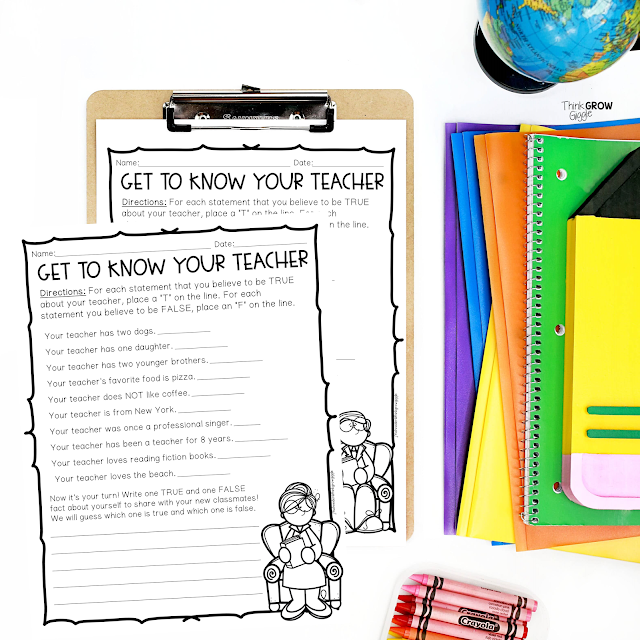
first day of school activity teacher quiz


4. Teacher Quiz

The kids get a kick out of having their "first test" on the first day of school when that test is all about their teacher! It is fun, easy, and the kids love it!


  • Create a T/F quiz about yourself with a mix of interesting tidbits that the kids can relate to.
  • I use about ten questions. (see the template here)
  • Have the kids take the quiz and then go over all the questions.
  • Engage the kids in discussions about your facts to see if you share anything in common with them! 
  • Go one step further and have the kids write a sentence about themselves on the back and then ask YOU if you think it is true or false.


The kids love learning about what they have in common with their new favorite teacher!


5. Two Truths and a Lie

"Two Truths and a Lie" is a classic icebreaker activity that encourages students to share interesting facts about themselves while trying to trick their peers. Here's how to implement it:


  • Divide the class into small groups or pairs.
  •  Instruct each student to think of two true statements and one false statement about themselves.
  • One by one, students share their three statements with their group without revealing which statement is false.
  • The group discusses and tries to identify the false statement for each student.
  • After a few rounds, encourage students to share the false statement and explain the truths to get to know one another better.


This activity helps students get acquainted with their classmates and develop critical thinking and listening skills.


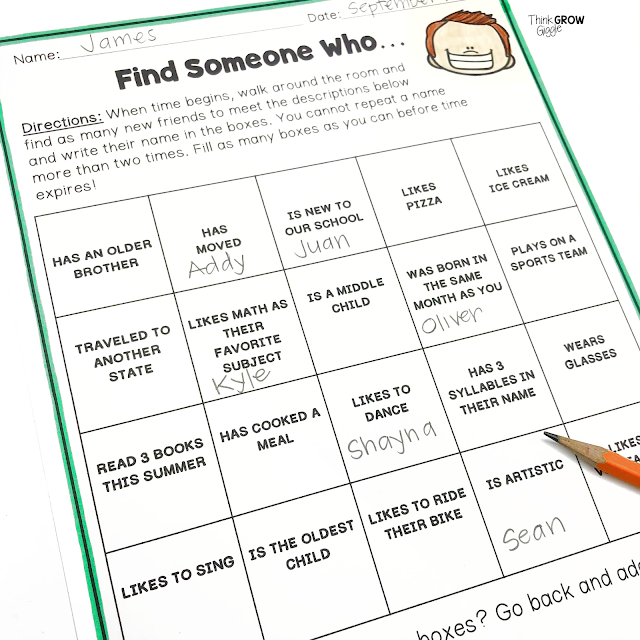
find someone who activity first week of school


6. Find Someone Who

"Find Someone Who" is an interactive icebreaker activity that encourages students to communicate, mingle, and discover commonalities among their peers. Here's how to use this idea:


  • Distribute a "Find Someone Who" worksheet or create a grid on the board.
  • Provide a list of statements or characteristics, such as "Find someone who has a pet" or "Find someone who enjoys reading."
  • Instruct students to walk around the classroom and find classmates matching the criteria.
  • Students can ask questions and discuss whether their peers meet the criteria.
  • Once students find someone who fits the statement, they can sign or write their name in the corresponding box on the worksheet or board.
  • When students complete all the boxes, they are done! Bonus points for those who finish first!


This activity promotes active participation, communication, and collaboration while encouraging students to find shared interests or experiences among their peers.


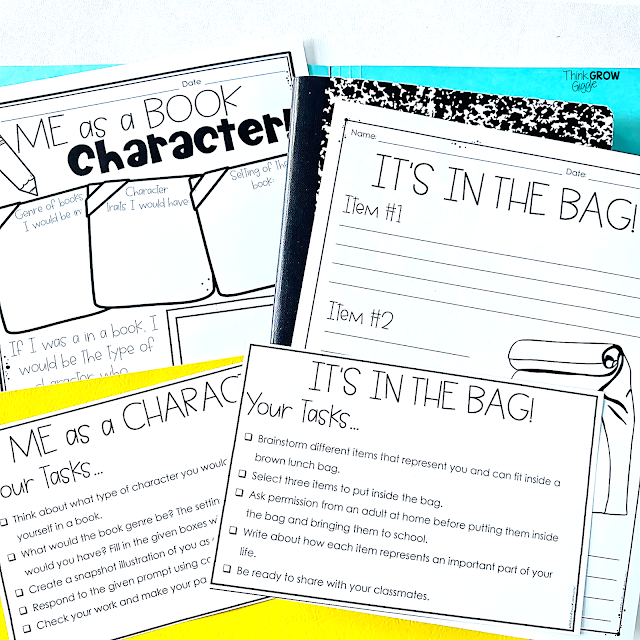
about me bag for the first day of school activity


7. About Me Bag

The "About Me Bag" activity allows students to express their individuality, interests, and aspirations through a creative and visual project. Here's how to give it a try:


  • Provide each student with a picture of a brown paper bag or an actual lunch bag
  • Instruct students to create a collage using magazine cutouts, drawings, and written descriptions that represent themselves, or you can have the students fill the bag with three items that represent themselves.
  • Encourage students to include elements such as their favorite hobbies, aspirations, favorite books, or places they have visited.
  • Once the bags are complete, allow each student to share their collage with the class, explaining the meaning behind their chosen elements.
  • Hang the collages around the classroom as a visual representation of the diverse personalities and interests within the class.


This activity not only allows students to express themselves creatively but also provides an opportunity for their peers to learn more about each other.


Icebreaker activities are valuable tools for establishing a positive and inclusive classroom environment at the beginning of the school year. By implementing these simple icebreakers, you can help upper elementary students connect with their peers, develop communication skills, and create a welcoming classroom community. 


These activities set a positive tone for the year ahead, laying the foundation for a successful and engaging academic journey.


You will also love reading:


Check out my favorite back-to-school activities HERE

Like this one filled with community building and getting to you know activities that kids love!  


LOVE these ideas? Pin to save!


7 Ice Breakers for the First Day of School in the Upper Elementary Classroom


signature

Planning for a Substitute and Emergency Sub Plan Ideas Upper Elementary

5 Game Changing Tips to Help Plan for a Sub


Teachers everywhere dread planning for a sub! 


That's because there is so much that goes into leaving appropriate sub plans that include meaningful activities that meet the needs of your individual class.  From step-by-step directions to student information to behavior management tips, it can take forever and seem like so much work to do, especially when you are sick!


And what could be worse than actually writing the sub plans? Returning to work the next day to clean up what happened in your absence, especially if you get a less than glowing note about the day from the substitute.


5 Game Changing Tips to Help Plan for a Sub


It is not easy being a teacher, and it is especially not easy being a sick teacher planning for a sub. After 18 years of having to write sub plans for sick days, personal days, and professional development days, I know what works and what does not work! 


Read on to learn 5 game-changing tips that will make planning for your next sub much simpler AND will earn your students that positive glowing note from the substitute when you return to school! 


What are tips for planning for a substitute teacher?

1: Teach Your Expectations

The first few weeks are jam-packed with routines and setting expectations. The kids learn how to do just about everything during those first few weeks. Add substitute expectations to that list of routines you teach your students at the start of the year.


This is important because you want students to know exactly what you expect while you are out. Teaching them before there is a sub eliminates confusion and cuts back on problems that may occur in your absence. I even create an anchor chart of classroom expectations for a substitute with the kids. then, when I am out I pull that anchor chart out and leave it front and center. This shows the kids that I have expectations and it also holds students accountable.


Recently, I started using digital slides to share my classroom rules and expectations with my students. On the last page of the slide, I have the kids sign their names as a contract of expectations. Then I print out the slides and staple to combine them into a book. Now this book serves as a manual to how your classroom runs. I leave this in the sub bin so every sub and guest teacher knows how our room operates!


2: Have a Secret Stash


reading sub plans for any book


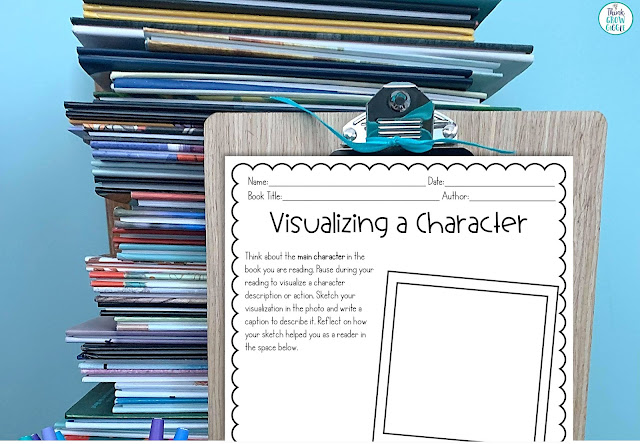
We all have a million picture books in our classrooms! Some are the go-to books that we read aloud every year without fail, and some are ones that we still love, but do not read as often. Make a stack of about ten appropriate picture books for your grade level. You can even throw in some nonfiction picture books. Then make copies of generic graphic organizers and student reading reflection activities that can be used with any book. 


Leave the books and organizers in a cabinet or sub bin tucked away, just waiting for the day they will be needed for a quick reading activity in your absence.


Teacher TIP: Share the workload! Do this as a grade level so that you all have something easy yet meaningful to leave with a sub anytime and especially during an emergency absence. Take turns replenishing the copies so they are ready to go all year.


Grab these free graphic organizers that work with so many picture books for your next set of sub plans!


3: Prep That Info Folder

As you are putting together your teacher binder and schedules at the beginning of the year, make an extra set of copies. Use those copies to add to your substitute folder. Here is what I am sure to put in my subfolder at the start of the year:


  • letter to the substitute
  • class list
  • daily schedule
  • special instructions specific to my class 
  • medical/allergy information (follow your district's privacy policy)
  • individual student schedules
  • teacher name and room number of who is available to help
  • simple management system


Now place that folder in your drawer and show a colleague where it is for when you are out unexpectedly. Doing this at the start of the year makes planning for a sub any day much simpler!


4: Have a Simple Management Tool


classroom management for substitute teachers


For years every time I planned for a sub, I tried to explain my classroom management system in my sub notes. And every time, there was confusion. The children would say one thing to the sub, I was writing something else to the sub, and oftentimes the sub was just so confused that they used no management system at all. This led to less than great behavior in my absence. 


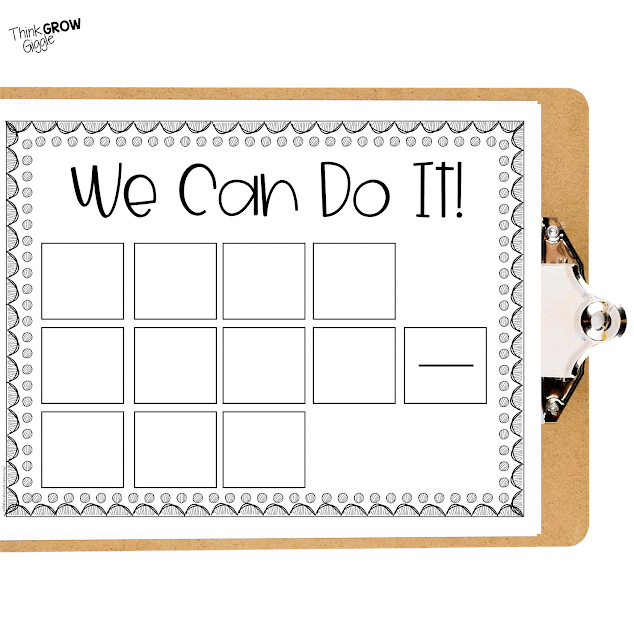
What I started to do was have a separate management system for when a sub was is in the classroom. I keep it very simple and explain it to the students at the beginning of the year when we go over our substitute expectations. Here is how it works. I place this paper at the front of the room when the sub is in charge and the students work all day to earn letters to complete the phrase “hard workers”. When I return to school, if the students have earned all the letters to spell out “hard workers” they will get a class reward. I keep the reward simple, like 15 extra minutes of recess or we'll do an extra art project together.


This works wonders because it is simple enough for everyone to understand.


5: Collect What the Kids Love

While it is very helpful to plan ahead for a substitute at the beginning of the year, it is also a good idea to add to a substitute stash throughout the year. 


Here is what I do:

After we play a grammar or math game in class, one that the students particularly love and know how to play, I will make copies and leave them in the sub stash or bin. I like to do this because they are tried and true activities that students know how to play and that can provide extra practice for different skills. This can be done for a wide range of activities. The next time you notice that students love a math game or reading activity, make an extra set of copies. You will be providing students with meaningful practice and engaging activities that will help eliminate problems when a sub is in charge. Try these free math games and see what I mean!


You can also use this tip with any activity that you consistently use with your students


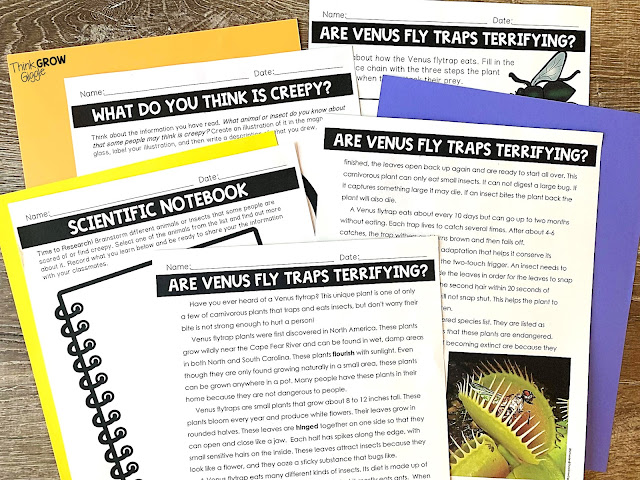
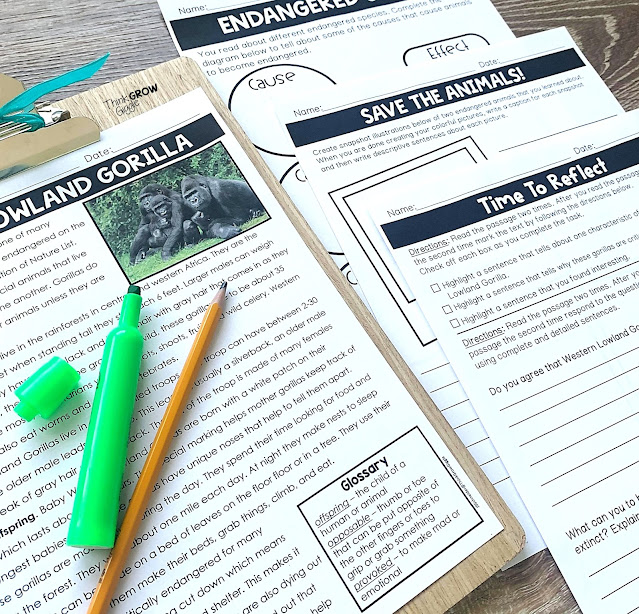
In my classroom, we use the same format, structure, and type of close reading passage. The only thing that changes is the topic. The kids love them because they are high-interest topics that make them want to read! They know exactly what I expect that they do as they read the passage, how they are to answer the questions, and they love the creative component that goes along with each set. Since they know exactly what to do with these close reading passages, there is no confusion for them. The consistency holds them accountable for doing quality work in my absence, and makes it easier on the sub, too!


independent student reading tasks


6: Prep for Sub Plans at Start of the Year

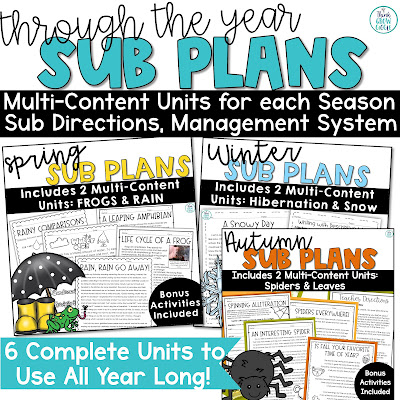
The best teacher tip is to have substitute plans on hand for any time of the year! When you have seasonal sub plans on hand, they are timely, intentional, and appropriate. This makes the best sub plans as they are not activities thrown together at the last minute!


Have emergency sub plans prepped and ready to go for the year with this seasonal sub plan pack! This will make sure that the plans you leave align with content learning and seasonal fun!


seasonal substitute emergency plans for teachers


Themed lesson plans also allow for intentionally planned activities to be left in your absence. These fable-themed substitute lesson plans are perfect for any 3rd or 4th grade classroom!


Bonus Tip: Have Clear Volume Expectations and Classroom Routines Posted


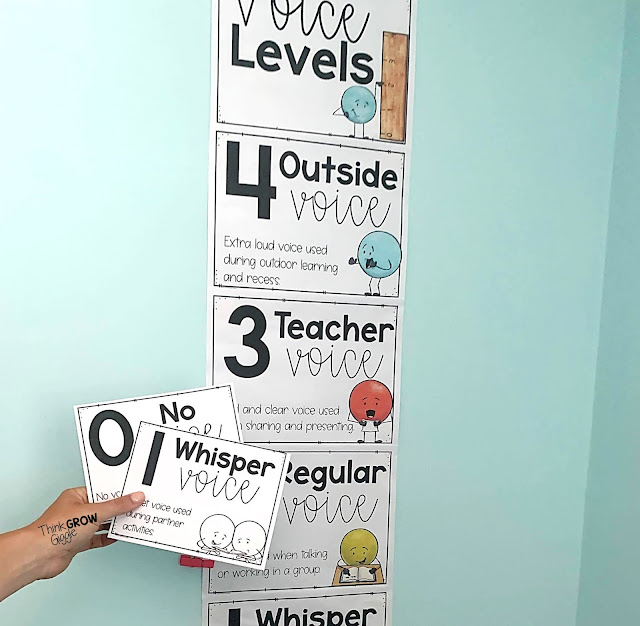
Voice Levels Posters and Charts for the classroom


One unexpected game changer that I have found helps to keep order when a substitute is in the classroom is to have clear voice-level expectations. At the beginning of the year, we spend a lot of time going over this management tool. We go over each level, when it can and should be used, and why it is important to have voice levels. Once the students understand these levels, we practice them and they become a habit. I add these expectations to my sub plans so that the sub can enforce these voice levels. It really does help to keep order in my absence!


Go one step further and print out all of your classroom routines, procedures, and expectations for your sub. I print the slides from my Back to School Procedure Slideshow. These are perfect to use as a handbook of how your classroom operates for the substitute or guest teacher.


Ok teacher friends, put these tips into action today and make the next time you need to plan for a sub snap! I hope you get that positive note upon returning to your classroom. Stay well!


Print and Go Sub Plans for the Year!


emergency sub plans for 3rd and 4th gade


You will also love reading:

Looking for meaningful independent reading activities that are perfect to leave with a sub? Click HERE.


close reading activities independent work


                       LOVE these tips? Pin to save!

5 Game Changing Tips to Help Plan for a Sub


*affiliate links: “Think Grow Giggle is a participant in the Amazon Services LLC Associates Program, an affiliate advertising program designed to provide a means for sites to earn advertising fees by advertising and linking to Amazon.” (source: Section 5)


signature

How to Make the Most of the Time You have with Students During Hybrid Learning

How to Make the Most of the Time You have with Students During Hybrid Learning


By now we have heard all the buzz words, remote learning, hybrid learning, and blended learning. No matter what you call it, they all mean the same thing. Students spend some of their time learning in a classroom and some of their time learning at home through activities or digital lessons.

But what we may not have heard all about is the best way to meet the curriculum demands, teach social-emotional lessons, and help our students grow during the limited time we have together face to face.

Here are four ways to help you make the most of the time that you have with students in the classroom.

Be Consistent

As teachers, we strive for consistency and routine every year, and this year should be no different. Set your expectations for behavior, participation, and work completion in the classroom. Be sure to use those same expectations for work completed at home or through remote lessons you teach. If you expect students to respond to a reading response question in paragraph form, the expectation should be no different when they are home or responding digitally. By setting the expectation, reinforcing it in the classroom, and expecting it through all forms of learning, the rigor you set for your students will continue all year long.

Try these ideas:
  • Communication - Use the same language when communicating with students about their work, their understanding of a concept. and grading. No matter what system you use, students will appreciate the consistency. Stick to the same rubric, scoring system, and grades.
  • Do you use stickers to motivate your students in the classroom and correct work, too? You can use digital stickers to correct work in Google Classroom!

Build Classroom Community 

Building a positive community while you are with your students in the classroom is so important. We want students to feel a sense of community in our classroom so that it can carry into other forms of learning too. This will help students to actively participate and engage in the digital learning atmosphere.

Try these ideas:
  • Read a book to unite your class - Read the book Here and There by Kim Gregory and discuss how your class can be a community and support system for each other whether they are at school or apart.
  • Celebrate each other as individuals - Spend a little extra time to help students get to know each other. The quicker they get to know each other well, the better your virtual learning lessons and classroom will be!
  • Celebrate each other as classmates - Help your students build relationships with one other through kindness writing activities and projects. Have students focus on writing about why each classmate is an important part of the class.


picture book for social distancing


Review and Build to Make Connections in Learning

Since the last school year ended so abruptly there will be many gaps in students' learning and mastery of skills. This is to be expected. Plan lessons that divide your time in half. Half that reviews/reteaches a concept or skill from the previous year and then immediately build upon it in the second half of the lesson. This will help students make connections and better understand the grade level objective you are teaching as well as help them to strengthen skills that they may have missed out on last year. 

Try this idea:
  • Have students complete a review activity during morning work time and then use that activity as a starting off point during your lesson. This will allow time to review and build upon it immediately. For example, if last year your students were expected to be able to find the main idea and supporting details of a nonfiction passage and this year they are expected to find the main idea to help summarize a nonfiction passage, provide students with practice activities to find the main idea during morning time. Then during the lesson, have students take out those completed activities and use those to review finding the main idea, before teaching the new concept of summarizing. Since time is limited this tip will save time and help you immediately correct student work and build upon previously taught concepts.


hybrid learning model quote


Focus on Double Duty Activities

Since time is at a premium with the hybrid learning model, use your time wisely. One way to do this is to connect multiple standards into one lesson. Make your lessons work double duty instead of assigning double the work!

Try these ideas:
  • Morning Time - Use your morning time for community building and social-emotional lessons. You can use weekly themes to help students discuss important concepts and share their feelings.
  • Read a Good Book - Use the same read aloud over and over for different lessons and objectives. This not only saves time but will allow students to understand each new objective taught with the same book more deeply as they have already comprehended the story.
  • One Lesson, Two Objectives - Combine content area lessons and practice into one activity. My favorite way to do this is to combine nonfiction topics with reading strategies. Students learn science concepts, develop critical thinking skills, AND practice close reading with these passages. Other easy to implement combination activities include:


hybrid learning activities for kids


No matter what your hybrid learning model looks like these easy to implement ideas will help you get started and create a positive learning environment in person and during remote learning, too. 

Have a great school year teacher friends!


LOVE these ideas? Pin to save!


Hybrid learning teacher tips and ideas


*affiliate links: “Think Grow Giggle is a participant in the Amazon Services LLC Associates Program, an affiliate advertising program designed to provide a means for sites to earn advertising fees by advertising and linking to Amazon.” (source: Section 5)

Subscribe Today!

Subscribe to get the latest information on educational trends and ideas by email and download a reading graphic organizer set for FREE.

    We respect your privacy. Unsubscribe at any time.


    30


    signature
    Back to Top