Showing posts with label interactive read aloud. Show all posts

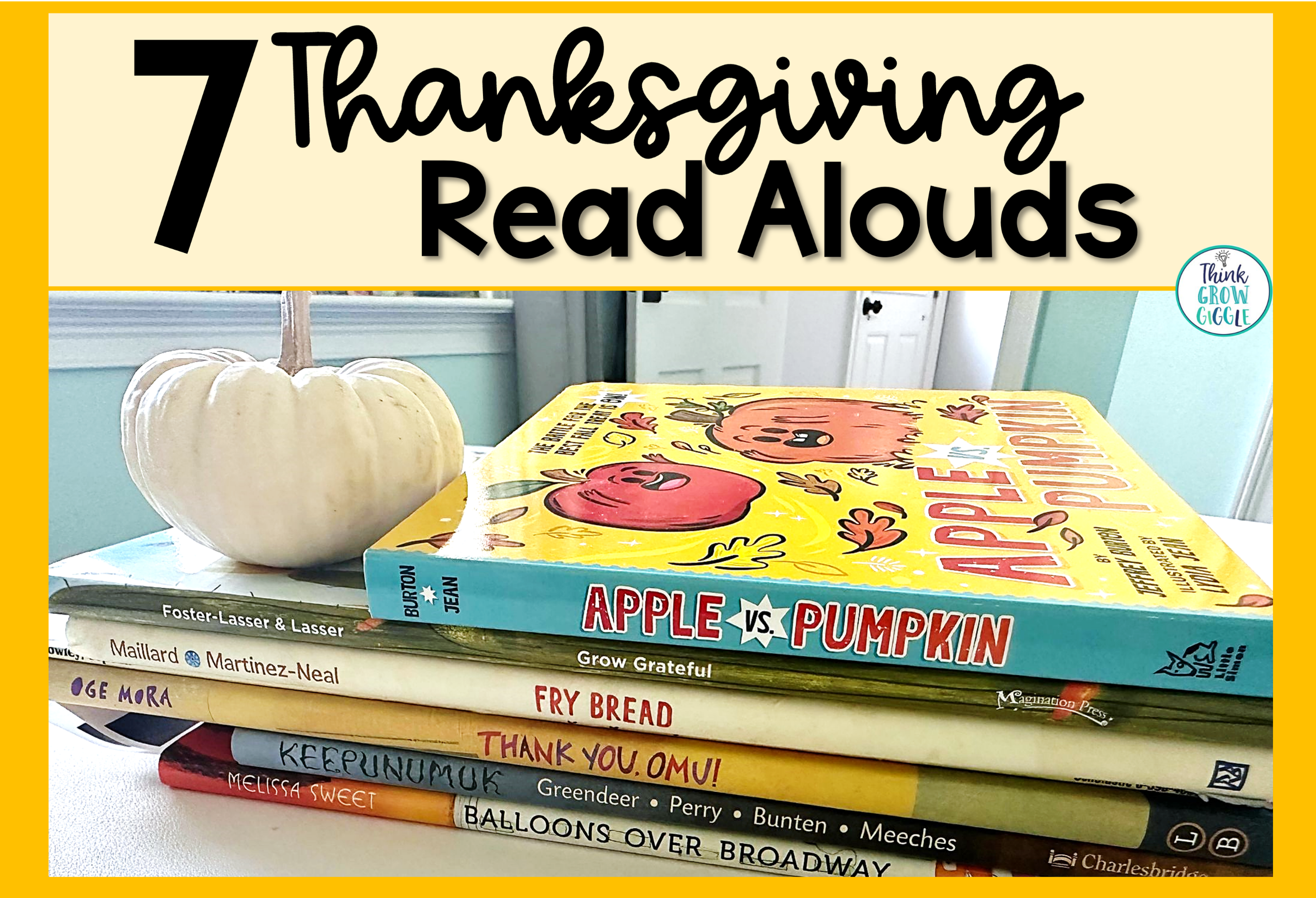
7 Thanksgiving Picture Book Read Alouds for Upper Elementary Classrooms 3rd, 4th, 5th Grade

7 Thanksgiving Picture Book Read Alouds for Upper Elementary Classrooms 3rd, 4th, 5th Grade


November always seems like such a short month in the classroom! With both Thanksgiving and Parent Teacher Conferences falling in November, it always feels like it ends as quickly as it begins. I never have enough time to read ALL the books I want to read with my upper elementary students. 


While there are so many topics to explore during November and so many different books to read aloud, I have narrowed my favorite read-aloud books for this month to this list of seven must-reads! These books make the cut each year and are always so well-loved by the kids.


Read on to learn more about each of my favorite books for November and Thanksgiving time, and scoop up some fun and free activities to go along with these picture books. Since I love to use one book in many ways, I have included some suggested reading focuses to help you make the most of these Thanksgiving read-alouds in your upper elementary classroom!


Thanksgiving Read Aloud Native American Heritage Month


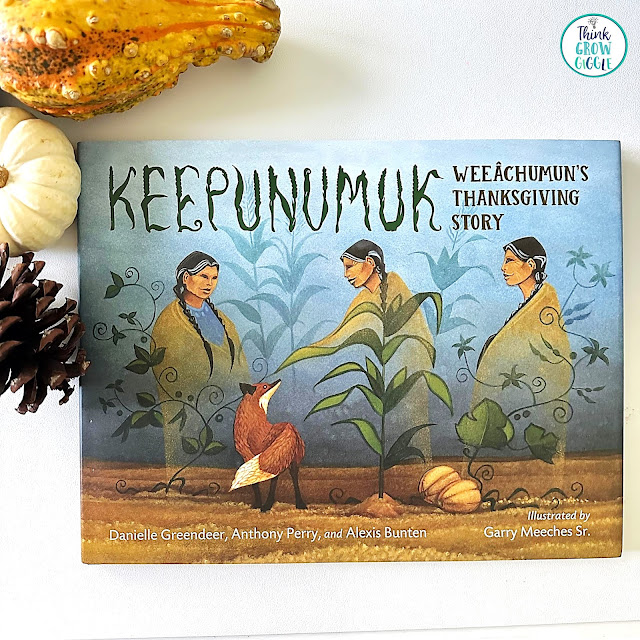
1. Keepunumk written by Danielle Greendeer, Anthony Perry, and Alexis Bunten*

Do not let November go by without sharing this Native American story. I love that this book begins with a page filled with important background information and meaningful words for the reader. It truly sets the stage for this read-aloud. This story tells about the first day of thanks or harvest from the perspective of The First People. It is filled with rich information and culture and is truly perfect for November. The back pages are filled with information, recipes, and an author's note that you will want to share, too!


A fun follow-up to this read-aloud would be to connect reading and writing with informational research about Native Americans and Indigenous Peoples who once lived in your area. More info HERE.


Reading focus: Focus on vocabulary and context clues


Balloons over Broadway reading activities


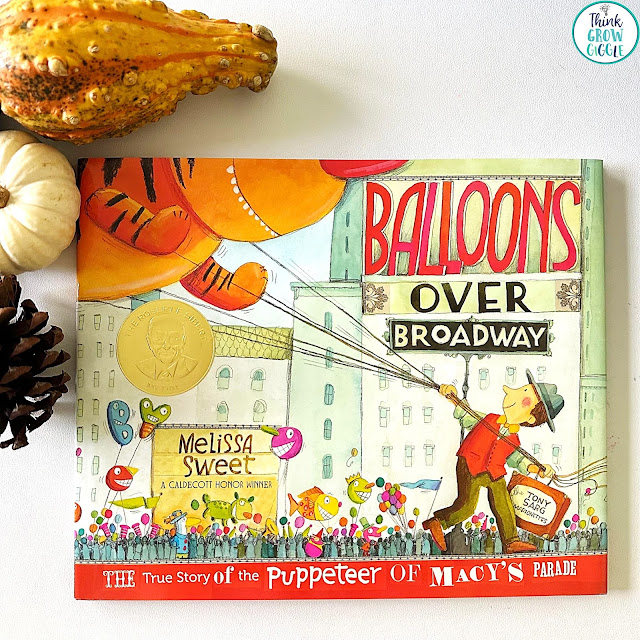
2. Balloons Over Broadway written by Melissa Sweet*

This book is so much fun to read! It is a welcome break from the typical Thanksgiving stories as it focuses on the life and adventures of Tony Sarg, the man behind the puppets of the iconic Macy's Day Parade. The pages are filled with eye-catching illustrations, diagrams, and a photograph of Tony, quickly holding your students' attention with each page flip. Your students will love to follow along with Tony as he changes and improves his designs, making this the perfect book to discuss STEM and engineering concepts. Remember to read the author's note and bio!


Reading focus: Paired text critical thinking with THIS nonfiction reading passage about Thanksgiving Day parades.
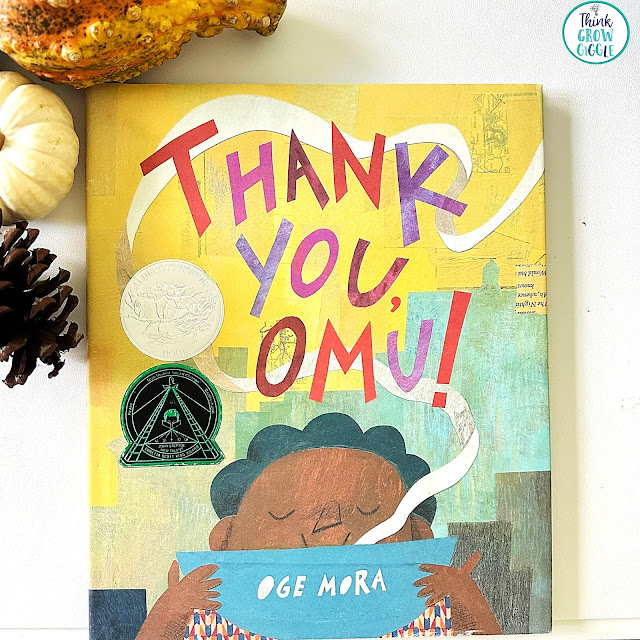


Thank You Omu reading activities


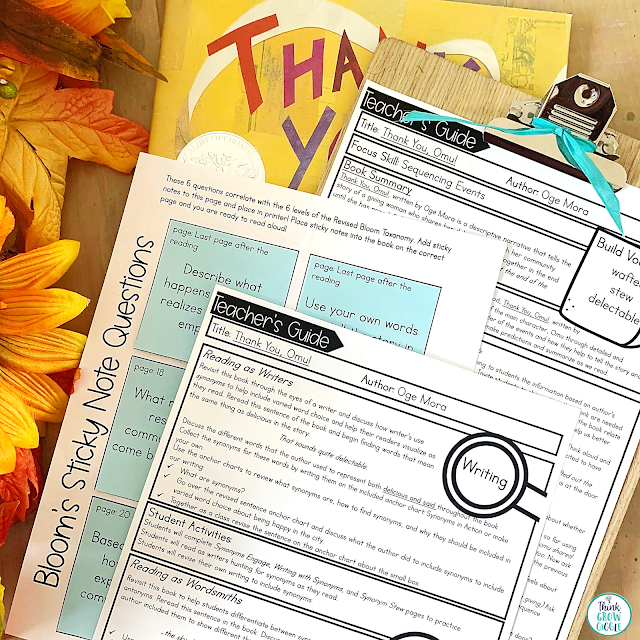
3. Thank You, Omu written by Oge Mora*

This one read-aloud has it all! Friends, family, gratitude, appreciation, community, giving, traditions, and so much more! It has become my favorite to read each Thanksgiving. The cut-paper collage illustrations are as beautiful as the story, and the children are always surprised by what happens when Omu sits down to enjoy her stew. When the community members join together to help out Omu, she definitely feels the love! This is a must-read


Reading focus: Text structure analysis: sequencing and problem and solution 
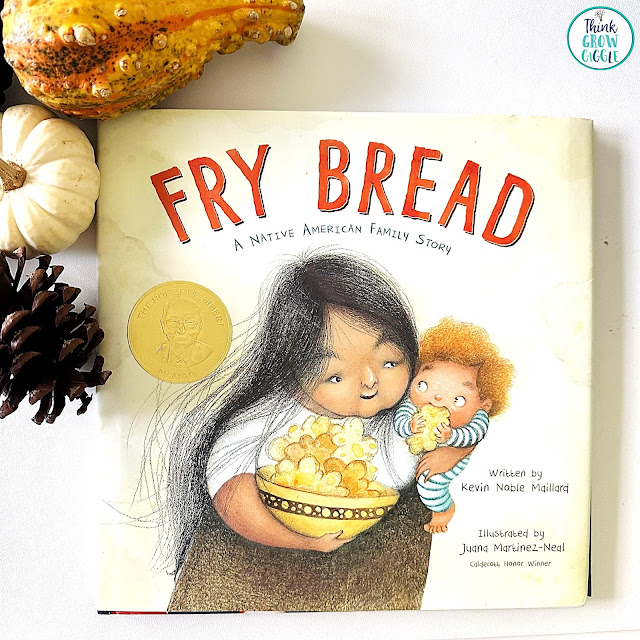


Fry Bread reading activities


4. Fry Bread written by Kevin Nobel Maillard*

Fry Bread is jam-packed with so much goodness! It is not only perfect for kicking off discussions of traditions, families, and holiday gatherings but also a must-read to celebrate and honor Native American Heritage Month this November. Written with a metaphor on each page, the reader is reminded of how important fry bread is to Native Americans and Indigenous Peoples. While each page is short and brief, with vivid words and illustrations, the author's note at the end provides more information about Fry Bread and the culture of Native Americans.


Reading focus: Reading nonfiction and understanding metaphors
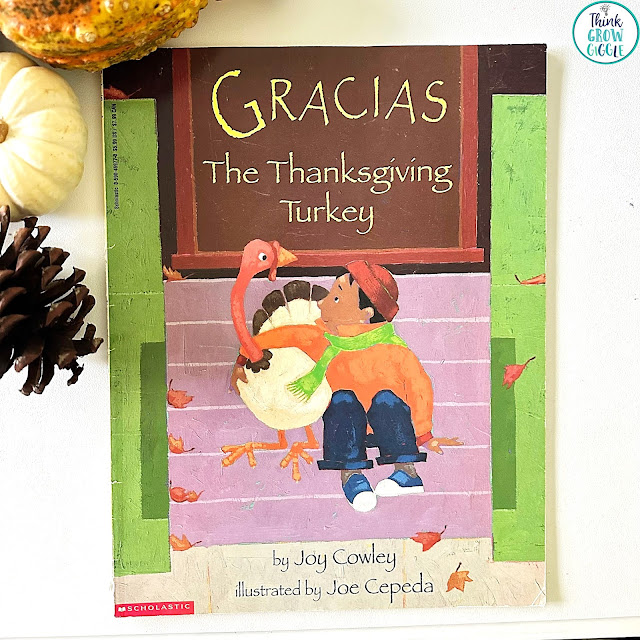


free thanksgiving activities for upper elementary kids


5. Gracias the Thanksgiving Turkey written by Joy Cowley*

This is an oldie but a goodie and always a class favorite! Visit your school library or local library to grab a copy, as this one is hard to find! This book follows the main character, Miguel as he is faced with a huge dilemma...he is gifted with a live turkey meant to be his Thanksgiving dinner. There is one problem, this turkey ends up becoming Miguel's pet and he does not have the heart to turn it into dinner. Your students will be cheering Miguel on, hoping he finds a way to avoid having to give up Gracias. I  love the mix of Spanish words and the glossary at the back of this book, making it easy to celebrate different cultures. 


A fun follow-up would be to have your students write a persuasive essay persuading people to not eat turkey for Thanksgiving dinner!


Reading focus: Text structure analysis: problem and solution and cause and effect


gratitude book activities for kids


6. Grow Grateful written by Sage Foster-Lasser and Jon Lasser*

Gratitude is a concept that we talk about in the classroom year-round, but I always kick it off during the month of November! This book makes it easy to help students understand the concept of gratitude and appreciating all that you have! This book follows the main character, Kiko, as she grows grateful throughout the story. She learned to focus on the small things on life instead of focusing on what she does not have. The students always related to Kiko and what she is experiencing! 


Find even more of my favorite gratitude books HERE.


Reading focus: Character analysis and changing characters
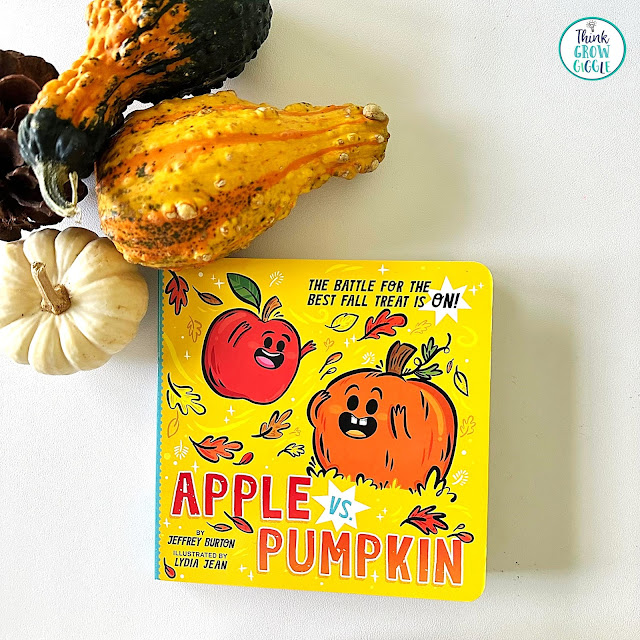


Thanksgiving alternative activities for kids


7. Apple VS Pumpkin written by Jefferey Burton*

Don't let that fact this is a board book stop you from sharing and reading it aloud to your big kids! This book is perfect for the fall and Thanksgiving seasons and a super fun way to introduce debates, persuasion, and opinion writing! This story follows the debate between apple and pumpkin as they spew out supporting details about why each of them is the best treat for the fall. Your kids will love the humor, cute illustrations, and getting in on the fun of debating it out as they cast their vote for apple or pumpkin! 


A fun follow-up to this read-aloud would be to have your own debate!


Reading focus: Text structure analysis: compare and contrast


Grab all the free activities to use with these books right here!


Grab one or all of these picture books to share and read aloud with your upper elementary students this fall, November, and Thanksgiving season! They are not just perfect to get into the spirit of giving and gratitude, but they are also great for revisiting with a reader's and writer's lens, too! Which one will you share this November?


Happy Thanksgiving! 


*affiliate links: “Think Grow Giggle is a participant in the Amazon Services LLC Associates Program, an affiliate advertising program designed to provide a means for sites to earn advertising fees by advertising and linking to Amazon.” (source: Section 5)


You will also love reading:


Thanksgiving read aloud Thank You Omu


Love these ideas? Pin to save!


7 Thanksgiving Picture Book Read Alouds for Upper Elementary Classrooms 3rd, 4th, 5th Grade

*affiliate links: “Think Grow Giggle is a participant in the Amazon Services LLC Associates Program, an affiliate advertising program designed to provide a means for sites to earn advertising fees by advertising and linking to Amazon.” (source: Section 5)


signature

7 Interactive Read Aloud Tips for Success with Upper Elementary

7 Interactive Read Alouds Tips for Success


Thinking about getting started with interactive read alouds in your classroom? They are a must! Interactive read-alouds are a valuable way for teachers to engage students in meaningful discussions and promote comprehension skills.


So what is an interactive read-aloud?


An interactive read-aloud is a dynamic and purposeful reading activity that engages students in high-quality literature. During an interactive read-aloud, the students are actively involved in the reading process. This approach goes beyond a simple read-aloud; it encourages students to think critically, ask questions, make connections, and discuss the content. Pausing at strategic points to pose discussion questions, explore vocabulary, and model reading comprehension strategies is an important part of the interactive read-aloud experience. 


I love using interactive read-alouds because they promote a deeper understanding of the text, provide models for students to engage with their own texts as they independently read, and foster a love of reading. 


Want to get started using interactive read-alouds in YOUR upper elementary classroom? These seven must-try tips will help you get started!


1. Choose Age-Appropriate and Engaging Text

This first step is so important! Be sure to select books or texts that are appropriate for your students' age and reading level and captivating and relevant to their interests. Engaging texts are more likely to hold their attention and spark meaningful discussions.

Picture Books and chapter books both make amazing interactive read-alouds for students. You can select fiction, nonfiction, and even poetry picture books. Since picture books are much shorter than chapter books, they are my go-to. 


Not sure where to find appropriate picture books for upper elementary? I have some lists of favorites that you and your students will love!


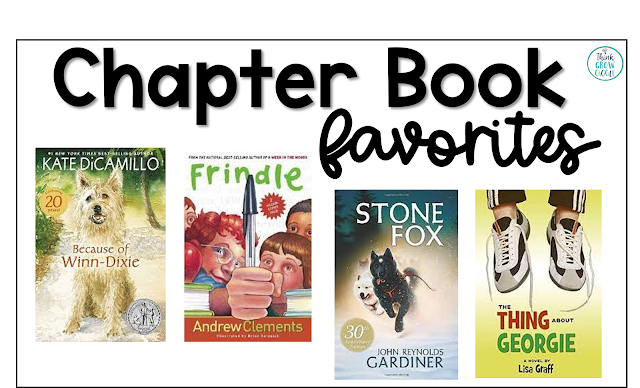
 ➡️Rather start interactive read alouds with a chapter book? These chapter books are always class favorites!

    chapter books for upper elementary read alouds


    2. Use the Voices and Make the Sound Effects

    The best part about the read alouds are different voices and sound effects that you can use to not only hook students, but to show them what fluent reading sounds like! I love to have a box of props next to my read aloud chair that I can use to help me as I read. Items I include are bells, clapping hands, and a rain shaker or shaker filled with rice. But, you do not need anything fancy! Just your voice, hands, and feet do the trick to bringing the read aloud to life. And yes, if there are silly voices and singing going on in the story, do them! You will make your students smile and love reading.


    3. Revisit the Book Again and Again

    Yes, I am going to say it again! Picture books should be read again and again and again!

    We read picture books in my classroom multiple times, each time with a different purpose. It does NOT get boring. The kids know we are rereading it with a different lens each time, so their thoughts and discussions change. Plus, since they already know the story, their reflections are more meaningful and are often filled with connections.


    When you reread previously read picture books, you help students:

    • focus on the skill or objective of your read aloud lesson instead of trying to comprehend a new story AND master a new skill
    • understand that good readers reread books and texts over and over to learn something new, better understand what was read, or just for enjoyment
    • build confidence in their reading comprehension and retell/summarizing skills


    ➡️See how I use one read-aloud picture book in many different ways right HERE.


    👉 Grab this FREE guide with my favorite picture books for interactive read- alouds! 

    It includes several different topics that you can use for each book, allowing you to read and re-read each book over and over again.

    free guide for interactive read aloud book suggestions


    4. Plan Ahead and Annotate the Text

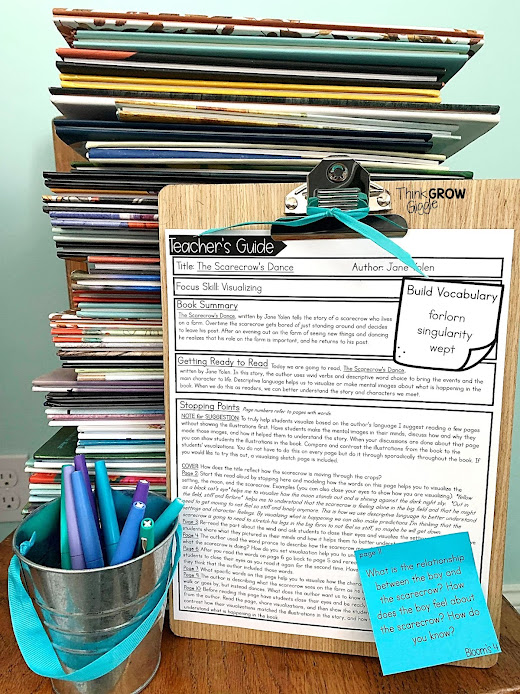
    Before the read-aloud, read the text in advance and annotate it with key points, questions, and discussion prompts. This will help you guide the conversation and highlight important themes, vocabulary, or literary devices that you want to focus on.


    Prior to reading aloud, I also create an interactive anchor chart that will be used during the reading. I do not always do this for all read-alouds. However, I have the chart ready to go for more challenging concepts that I will bring up and teach during and after the read-aloud. This works perfectly for topics like making predictions, making inferences, and understanding character traits.


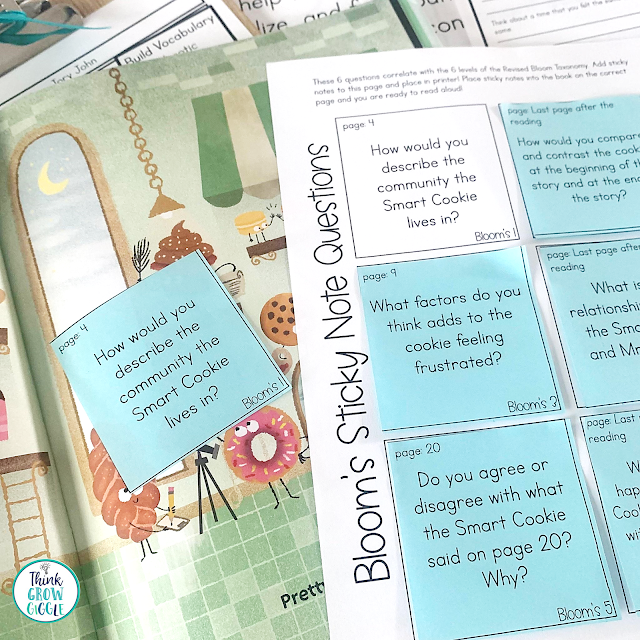
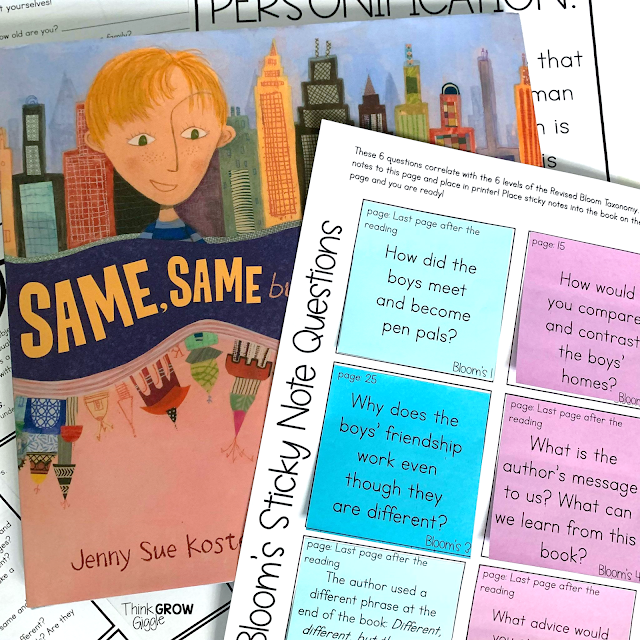
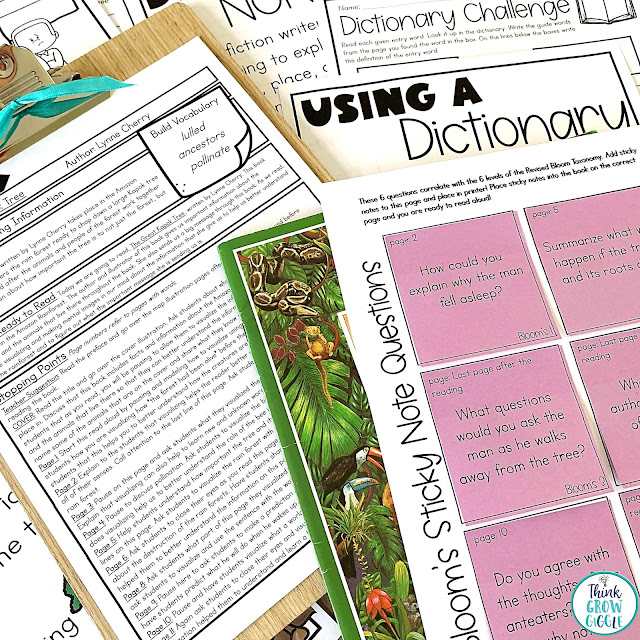
    When annotating or prepping questions ahead of time, I make sure to have questions for each level of Bloom's taxonomy. Using sticky notes is a great way to do this! Especially because you can use those sticky notes again by leaving them on the pages, ready to go for next year!


    prepping for interactive read aloud annotation questions


    5. Encourage Active Participation

    Using interactive read-alouds helps you to foster an interactive atmosphere by encouraging students to participate actively. As you read, frequently stop and ask the predetermined open-ended questions, ask for predictions, and invite students to share their thoughts, feelings, and connections to the text. Use prompts like, What do you think will happen next? or How would you have reacted in this situation?


    Giving students a specific read-aloud buddy or partner sets up the expectation of who they will be speaking to during the read-aloud. As time goes on, students build trust and relationships with their read-aloud buddies, making their conversations deeper and more meaningful.


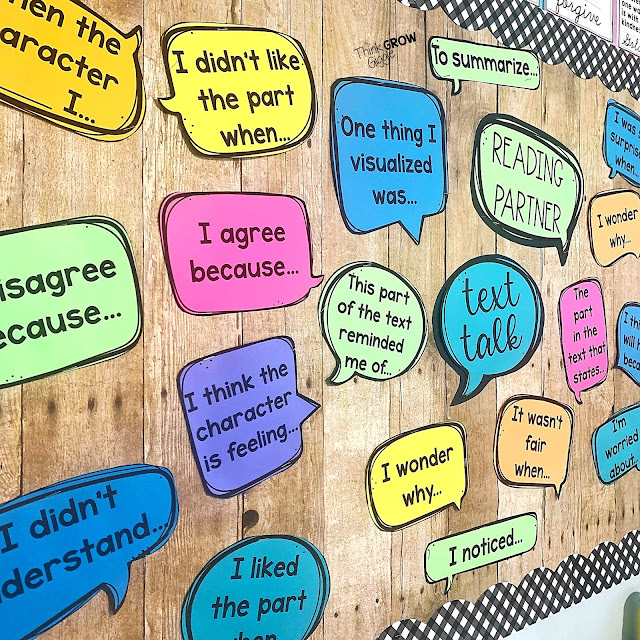
    Keep the conversation going between your students and their partners by creating an accountability bulletin board that provides appropriate discussion stems that can be used for any read-aloud! These work wonders in my classroom and truly help my students discuss literature in meaningful ways. 


    questions for students for Interactive Read Alouds


    6. Model Comprehension Strategies

    While reading, model effective comprehension strategies such as making predictions, visualizing, making inferences, and asking questions. Show students how skilled readers think critically about the text and how these strategies enhance understanding. The more you show them, the more they will carry out those strategies as they read independently


    7. Build Classroom Community

    The best part of using interactive read alouds in your classroom is that it builds classroom community! 


    Kids, even our big kids, love to gather as a class and get cozy listening to the soothing sounds of their teacher reading aloud. Use your read-aloud time as a way to remind, practice, and instill the idea that your classroom is a safe and respectful space where students should feel comfortable sharing their thoughts and opinions. Emphasize that there are no wrong answers and that listening to and respecting others' viewpoints is essential during the discussion.  Reading aloud to the whole class provides a sense of togetherness and allows true community bonding to take place!


    Incorporating interactive read-alouds in upper elementary classrooms can transform reading sessions into thought provoking and enjoyable learning experiences, enhancing both literacy skills and a love for reading. While these tips will get you started, remember to tailor your approach to your students' specific needs and interests while keeping the conversation lively and engaging.


    Looking for more read-aloud companions?
    Look HERE!


    interactive read aloud book ideas for upper elementary


    Love these ideas? Pin to save them!


    7 Interactive Read Alouds Tips for Success


    affiliate links: “Think Grow Giggle is a participant in the Amazon Services LLC Associates Program, an affiliate advertising program designed to provide a means for sites to earn advertising fees by advertising and linking to Amazon.” (source: Section 5)


    signature

    6 Benefits of Interactive Read Alouds with Upper Elementary

    6 Benefits of Using Interactive Read Alouds in Upper Elementary Classroom


    If you have followed me for any amount of time, you know that reading picture books with my upper elementary students is totally my thing! There is just something about gathering together and listening to a powerful story told through rich vocabulary and beautiful illustrations that truly makes the day brighter!


    Interactive Read Alouds (IRAs) are a powerful instructional strategy that can bring literature to life and engage students in meaningful discussions. While commonly used in early elementary classrooms, IRAs offer numerous benefits when implemented in upper elementary classrooms. 


    I know you will love using Interactive Read Alouds with your students as much as I do, so grab the FREE pack below!


    6 Benefits of Using Interactive Read Alouds in Upper Elementary Classroom


    Now read on to find out the top 6 benefits of using interactive read-alouds with students in your upper elementary classroom!


    1. Enhanced Comprehension Skills

    Interactive Read Alouds provide a unique opportunity for teachers to model and reinforce essential comprehension skills. By strategically pausing during the reading to ask open-ended questions, make predictions, or analyze characters' motivations and feelings, teachers can guide students toward a deeper understanding of the text. These discussions allow students to make connections, infer meaning, and develop critical thinking skills, leading to improved comprehension and analytical abilities.


    2. Increased Vocabulary Development

    One of the main benefits of interactive read-aloud is the exposure to rich and diverse vocabulary. Upper elementary students are at a crucial stage in their language development, and by reading aloud high-quality texts, YOU can expose them to sophisticated vocabulary beyond their current reading level. Through discussions and context clues provided during IRAs, students can expand their word knowledge and improve their overall language skills, which will significantly benefit their reading and writing abilities. The more they listen to books with rich language, the more those words trickle down into their writing pieces!


    IRA tips and strategies 3rd grade 4th grade 5th grade


    3. Fostering a Love for Reading

    Interactive read-alouds create a positive reading experience for students and help foster a love for literature. By selecting captivating texts and utilizing engaging reading strategies, you can captivate students' interest and make reading something that your students look forward to doing each day. It can help students build relationships with the characters that they meet, helping them realize that they are not along in many of the thoughts and feelings that they experience themselves.  Sharing their enthusiasm for books during interactive read-alouds can inspire students to explore new genres, authors, and topics independently, cultivating a lifelong love for reading.


    4. Development of Listening and Speaking Skills

    Interactive read-alouds provide an ideal platform for students to develop their listening and speaking skills, which is so important! By actively participating in discussions, asking and answering questions, and engaging in dialogue with peers, students learn to express their thoughts and opinions effectively and appropriately. They learn how to engage in one on one discussions with a reading partner and learn how to build off of someone else's ideas. This process enhances their oral communication skills, encourages active listening, and promotes respectful and thoughtful interactions within the classroom community.


    5. Save Valuable Classroom Instructional Time

    We are always looking for more time in our teaching day, am I right? If you are like me, you can't wait to pull out a new picture book and share it with your students! But...instead of always reading a new picture book, reread a previously read picture book again and again, each time revisiting the book with a new lens: read as readers, read as writers, and read as word-smiths.


    When you reread previously read picture books, you help students:

    • focus on the skill or objective of your lesson instead of trying to comprehend a new story AND master a new skill
    • understand that good readers reread books and texts over and over to learn something new, better understand what was read, or just for enjoyment
    • build confidence in their reading comprehension and retell/summarizing skills


    Revisiting books is not just fun and beneficial for students; it saves YOU classroom time!


    IRA for older kids


    6. Social-Emotional Growth

    Literature often provides a gateway to explore social and emotional themes, and interactive read-alouds can serve as a valuable tool for addressing these topics. By selecting books that depict diverse characters and tackle relevant issues, you can initiate meaningful conversations about empathy, kindness, resilience, friendship, and so much more. These discussions not only promote social-emotional growth but also create a safe and inclusive classroom environment where students feel understood, valued, and connected. We all want more time in our teaching day to get in social emotional topics, and picture books truly help us bring more than just reading into our day.


    Not sure what books to use with your upper elementary students? Grab this FREE list of my favorites with the skills that we focus on for each book! 


    Interactive read-alouds have the power to transform upper elementary classrooms by fostering comprehension skills, expanding vocabulary, nurturing a love for reading, developing communication abilities, and promoting social-emotional growth. By implementing this instructional strategy effectively, teachers can engage students in meaningful conversations, create memorable reading experiences, and equip them with the necessary skills to become lifelong learners. As educators, let us embrace the power of interactive read-alouds to inspire, motivate, and empower our upper elementary students on their educational journey.


    Looking for more read-aloud companions?
    Look HERE!

    IRA teaching tips and strategies


    You will love reading these related articles:


                          Love these ideas? Pin to save them!

    IRA teacher tips for effective use


    affiliate links: “Think Grow Giggle is a participant in the Amazon Services LLC Associates Program, an affiliate advertising program designed to provide a means for sites to earn advertising fees by advertising and linking to Amazon.” (source: Section 5)


    signature
    Back to Top