Showing posts with label back to school lesson. Show all posts

Growth Mindset Activities, Read Aloud Books, Example Ideas for Upper Elementary


How to Teach Growth Mindset in the Classroom

You may wonder if teaching a growth mindset in upper elementary classrooms really works. I know firsthand that it does! After teaching third graders and fifth graders and working in various classrooms as support staff, I have seen that students with a growth mindset demonstrate more perseverance, confidence, and motivation than those without a growth mindset.


Ready to bring the value of having a growth mindset into the classroom this school year? Whether you are a new teacher, a seasoned teacher, or a substitute or building teacher, encouraging students to adopt a growth mindset is crucial to help them persevere through challenging school tasks.


I have compiled all my best growth mindset tips and tricks from several blogs listed below to make bringing a growth mindset into your classroom easier!


How to Get Started with Growth Mindset in Upper Elementary

If you are just getting started with teaching a growth mindset, this blog is filled with explanations, tips, and, of course, a must-watch TED talk growth mindset video!


Read more HERE:


growth mindset examples and ideas - does having a growth mindset really work?


Growth Mindset Read Alouds for Upper Elementary

I love reading picture books with my upper elementary kids about a growth mindset and featuring characters who have or learn about a growth mindset. This blog features a list of growth mindset read-alouds for every upper elementary and middle school teacher, along with free printables that accompany the books. 


Read more HERE:


growth mindset read aloud picture books for upper elementary


Growth Mindset Bulletin Boards for Classrooms

Make your classroom a reflection of the value of having a growth mindset! You'll love these ideas for growth mindset bulletin boards to use throughout the school year and kick off the year with!


Read more HERE:

growth mindset bulletin board ideas for classrooms


You are ready to bring growth mindset strategies and ideas into your classroom this year! You will be impressed with the shift of mindset your students will have. Happy teaching! : )


growth mindset coloring pages for kids


                    LOVE these ideas? Pin to save!


*affiliate links: “Think Grow Giggle is a participant in the Amazon Services LLC Associates Program, an affiliate advertising program designed to provide a means for sites to earn advertising fees by advertising and linking to Amazon.” (source: Section 5)


signature

Planning for a Substitute and Emergency Sub Plan Ideas Upper Elementary

5 Game Changing Tips to Help Plan for a Sub


Teachers everywhere dread planning for a sub! 


That's because there is so much that goes into leaving appropriate sub plans that include meaningful activities that meet the needs of your individual class.  From step-by-step directions to student information to behavior management tips, it can take forever and seem like so much work to do, especially when you are sick!


And what could be worse than actually writing the sub plans? Returning to work the next day to clean up what happened in your absence, especially if you get a less than glowing note about the day from the substitute.


5 Game Changing Tips to Help Plan for a Sub


It is not easy being a teacher, and it is especially not easy being a sick teacher planning for a sub. After 18 years of having to write sub plans for sick days, personal days, and professional development days, I know what works and what does not work! 


Read on to learn 5 game-changing tips that will make planning for your next sub much simpler AND will earn your students that positive glowing note from the substitute when you return to school! 


What are tips for planning for a substitute teacher?

1: Teach Your Expectations

The first few weeks are jam-packed with routines and setting expectations. The kids learn how to do just about everything during those first few weeks. Add substitute expectations to that list of routines you teach your students at the start of the year.


This is important because you want students to know exactly what you expect while you are out. Teaching them before there is a sub eliminates confusion and cuts back on problems that may occur in your absence. I even create an anchor chart of classroom expectations for a substitute with the kids. then, when I am out I pull that anchor chart out and leave it front and center. This shows the kids that I have expectations and it also holds students accountable.


Recently, I started using digital slides to share my classroom rules and expectations with my students. On the last page of the slide, I have the kids sign their names as a contract of expectations. Then I print out the slides and staple to combine them into a book. Now this book serves as a manual to how your classroom runs. I leave this in the sub bin so every sub and guest teacher knows how our room operates!


2: Have a Secret Stash


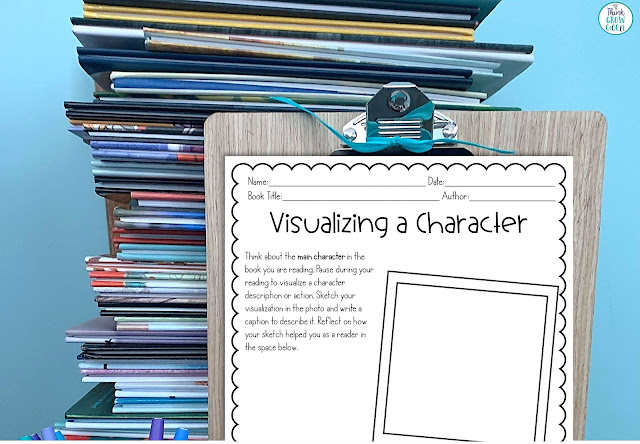
reading sub plans for any book


We all have a million picture books in our classrooms! Some are the go-to books that we read aloud every year without fail, and some are ones that we still love, but do not read as often. Make a stack of about ten appropriate picture books for your grade level. You can even throw in some nonfiction picture books. Then make copies of generic graphic organizers and student reading reflection activities that can be used with any book. 


Leave the books and organizers in a cabinet or sub bin tucked away, just waiting for the day they will be needed for a quick reading activity in your absence.


Teacher TIP: Share the workload! Do this as a grade level so that you all have something easy yet meaningful to leave with a sub anytime and especially during an emergency absence. Take turns replenishing the copies so they are ready to go all year.


Grab these free graphic organizers that work with so many picture books for your next set of sub plans!


3: Prep That Info Folder

As you are putting together your teacher binder and schedules at the beginning of the year, make an extra set of copies. Use those copies to add to your substitute folder. Here is what I am sure to put in my subfolder at the start of the year:


  • letter to the substitute
  • class list
  • daily schedule
  • special instructions specific to my class 
  • medical/allergy information (follow your district's privacy policy)
  • individual student schedules
  • teacher name and room number of who is available to help
  • simple management system


Now place that folder in your drawer and show a colleague where it is for when you are out unexpectedly. Doing this at the start of the year makes planning for a sub any day much simpler!


4: Have a Simple Management Tool


classroom management for substitute teachers


For years every time I planned for a sub, I tried to explain my classroom management system in my sub notes. And every time, there was confusion. The children would say one thing to the sub, I was writing something else to the sub, and oftentimes the sub was just so confused that they used no management system at all. This led to less than great behavior in my absence. 


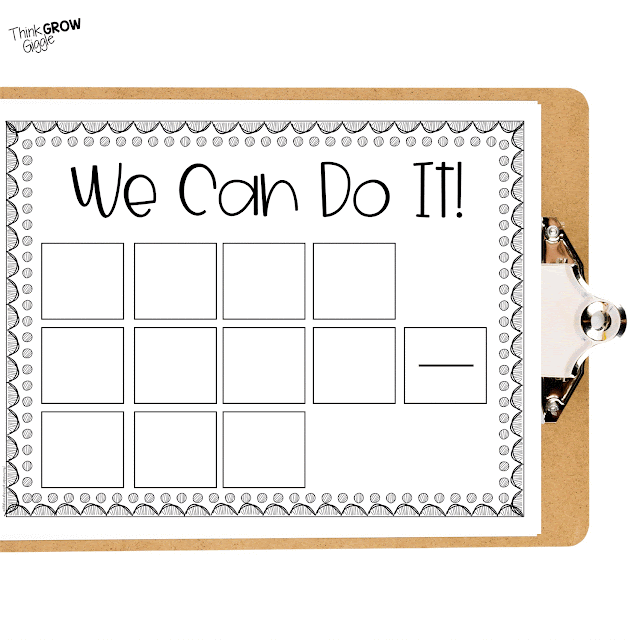
What I started to do was have a separate management system for when a sub was is in the classroom. I keep it very simple and explain it to the students at the beginning of the year when we go over our substitute expectations. Here is how it works. I place this paper at the front of the room when the sub is in charge and the students work all day to earn letters to complete the phrase “hard workers”. When I return to school, if the students have earned all the letters to spell out “hard workers” they will get a class reward. I keep the reward simple, like 15 extra minutes of recess or we'll do an extra art project together.


This works wonders because it is simple enough for everyone to understand.


5: Collect What the Kids Love

While it is very helpful to plan ahead for a substitute at the beginning of the year, it is also a good idea to add to a substitute stash throughout the year. 


Here is what I do:

After we play a grammar or math game in class, one that the students particularly love and know how to play, I will make copies and leave them in the sub stash or bin. I like to do this because they are tried and true activities that students know how to play and that can provide extra practice for different skills. This can be done for a wide range of activities. The next time you notice that students love a math game or reading activity, make an extra set of copies. You will be providing students with meaningful practice and engaging activities that will help eliminate problems when a sub is in charge. Try these free math games and see what I mean!


You can also use this tip with any activity that you consistently use with your students. 


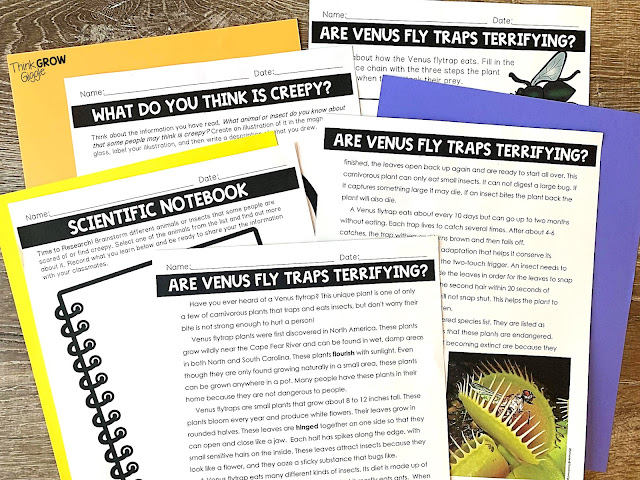
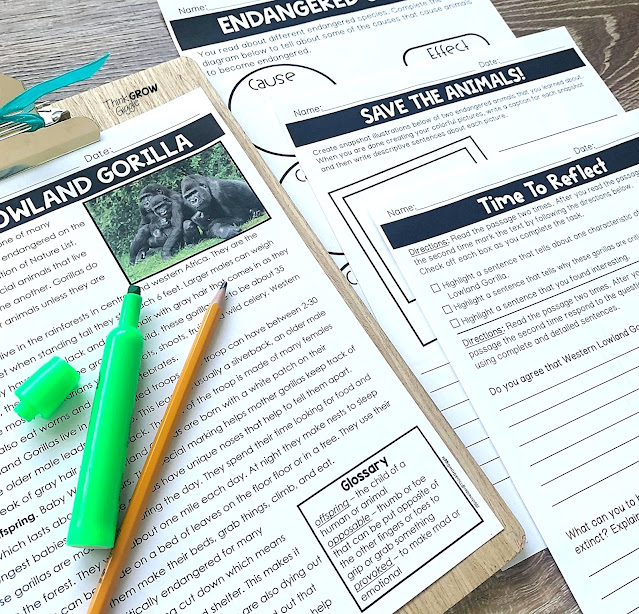
In my classroom, we use the same format, structure, and type of close reading passage. The only thing that changes is the topic. The kids love them because they are high-interest topics that make them want to read! They know exactly what I expect that they do as they read the passage, how they are to answer the questions, and they love the creative component that goes along with each set. Since they know exactly what to do with these close reading passages, there is no confusion for them. The consistency holds them accountable for doing quality work in my absence, and makes it easier on the sub, too!


independent student reading tasks


6: Prep for Sub Plans at Start of the Year

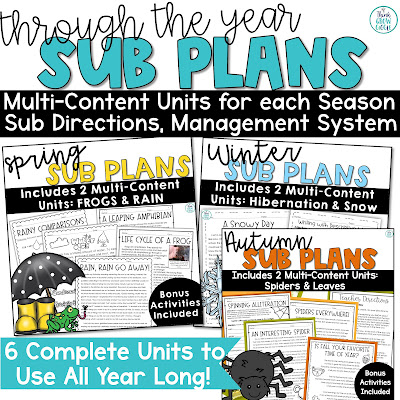
The best teacher tip is to have substitute plans on hand for any time of the year! When you have seasonal sub plans on hand, they are timely, intentional, and appropriate. This makes the best sub plans as they are not activities thrown together at the last minute!


Have emergency sub plans prepped and ready to go for the year with this seasonal sub plan pack! This will make sure that the plans you leave align with content learning and seasonal fun!


seasonal substitute emergency plans for teachers


Themed lesson plans also allow for intentionally planned activities to be left in your absence. These fable-themed substitute lesson plans are perfect for any 3rd or 4th grade classroom!


Bonus Tip: Have Clear Volume Expectations and Classroom Routines Posted


Voice Levels Posters and Charts for the classroom


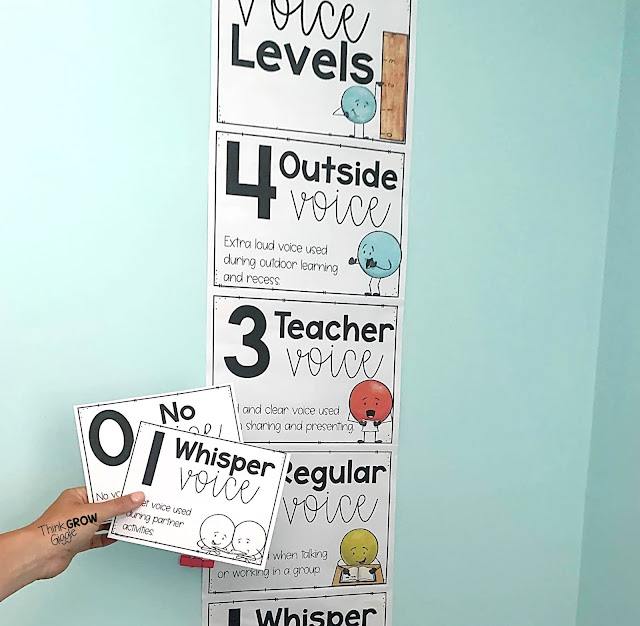
One unexpected game changer that I have found helps to keep order when a substitute is in the classroom is to have clear voice-level expectations. At the beginning of the year, we spend a lot of time going over this management tool. We go over each level, when it can and should be used, and why it is important to have voice levels. Once the students understand these levels, we practice them and they become a habit. I add these expectations to my sub plans so that the sub can enforce these voice levels. It really does help to keep order in my absence!


Go one step further and print out all of your classroom routines, procedures, and expectations for your sub. I print the slides from my Back to School Procedure Slideshow. These are perfect to use as a handbook of how your classroom operates for the substitute or guest teacher.


Ok teacher friends, put these tips into action today and make the next time you need to plan for a sub snap! I hope you get that positive note upon returning to your classroom. Stay well!


Print and Go Sub Plans for the Year!


emergency sub plans for 3rd and 4th gade


You will also love reading:

Looking for meaningful independent reading activities that are perfect to leave with a sub? Click HERE.


close reading activities independent work


                       LOVE these tips? Pin to save!

5 Game Changing Tips to Help Plan for a Sub


*affiliate links: “Think Grow Giggle is a participant in the Amazon Services LLC Associates Program, an affiliate advertising program designed to provide a means for sites to earn advertising fees by advertising and linking to Amazon.” (source: Section 5)


signature

Must Try Tip to Encourage Students to Read a Variety of Genres

Must Try Tip to Encourage Students to Read a Variety of Genres


One goal I always have for my students each year is to help them grow as readers who love to read a variety of books, reading genres, series, and authors.


I spend a lot of time at the beginning of the year going over our classroom library, explaining how to find and borrow books, and sharing different reading genres with my budding readers. Young readers are often limited to levels books, books that they see displayed, or books that they see friends and family reading. It is our job as reading teachers to expose our growing readers to a wide range of books to read and fall in love with!


One way I have found to successfully encourage students to read a variety of reading genres is by helping students have a balanced reading diet.


The following are questions that I am often asked about how I promote having a balanced reading diet in my classroom. 


What is a balanced reading diet?


balanced reading diet genre lessons

I love explaining a balanced reading diet by comparing it to a well balanced food diet. Just like your body needs a variety of foods to help it grow, so does your reading diet. This simple analogy always helps students to see that they should be reading a wide range of genres, series, and authors.


At the start of the school year, we go over our classroom library (which is organized by reading genres) and discuss the characteristics of each genre. By clearly explaining each genre, showcasing a genre bucket, and recommending a book or two for each genre, students are engaged and curious! Leaving a genre bulletin board display up all year long truly helps and encourages students to explore different genres.


How can you encourage a balanced reading diet?


balanced diet book club card genre lesson


In my classroom, I use frequent reader club cards to encourage students to read new genres. It is a fun way to help students expand their reading and teach responsibility since these cards are non-refundable! 


These cards are fun, easy to use, and highly motivating for students! I hand out the cards and chat about them with students. After they read a book that matches one of the listed genres, they must share an oral summary about the book and explain why it is that genre.  Students can find me to chat about the book during morning work, snack time, or dismissal. This is not done during instructional time. Once all 7 genres listed on the card are stamped/punched, the student earns a reward. It is usually something simple like, lunch with the teacher, homework or morning work pass, or tickets for our weekly raffle. After the student has submitted their card for a prize, they get a new card and start all over again.


What is a reading genre challenge?


reading genre book challenge lesson


This is such a fun activity to do after you teach students about the different reading genres and it is easy to do!


Just grab a few baskets and fill them with a wide range of reading genres from your classroom library. Put the baskets in the middle of a group of students to share. Each student takes a book and explores the book: title, cover, summary, read the first chapter, or any other way they want to learn about the book. Then they identify what genre it is, write it down, and begin again with another book.


Students always love this! They learn about new genres, get talking about books with their peers, and get curious about different books in our classroom library.


How do students share a wide range of reading genres?


book talk reading genre lesson


There are two main ways that I have students share what they are reading with their peers. We have a weekly book recommendation sign up and we also do classroom book talks.


  • Book Recommendation Sign Ups: Once a week, students can sign up for an informal book share to be held during our Wednesday morning meeting. It is less formal than book talks, but allows students to share a book that they are currently reading and love. We have a sign up sheet that requires students to write the book title and author. I also ask students to leave the genre code for the book that they would like to share.  Each week we share different genres. If someone already signed up for a book share with the genre that a student wants to share, they will have to wait until the next month. This ensures that a variety of genres are shared each month.
  • Book Talks: Book talk time is a structured time in the day for students to share and talk about the books that they are reading. Through the students' prepared, short oral presentations, they try to sell or persuade their peers to read the book. This means that the students combine their reading, opinion, persuasive, and speaking skills into one meaningful activity. I love to hold book talks every Friday afternoon.
Read more about implementing book talks in your classroom HERE.


When it comes to encouraging students to read a variety of genres and truly grow as readers, try using reading challenges and balanced reading diets. These are fun ways to pique students' curiosity about different genres, series, and authors!


You might be interested in reading:


Check out my favorite reading activities HERE. 

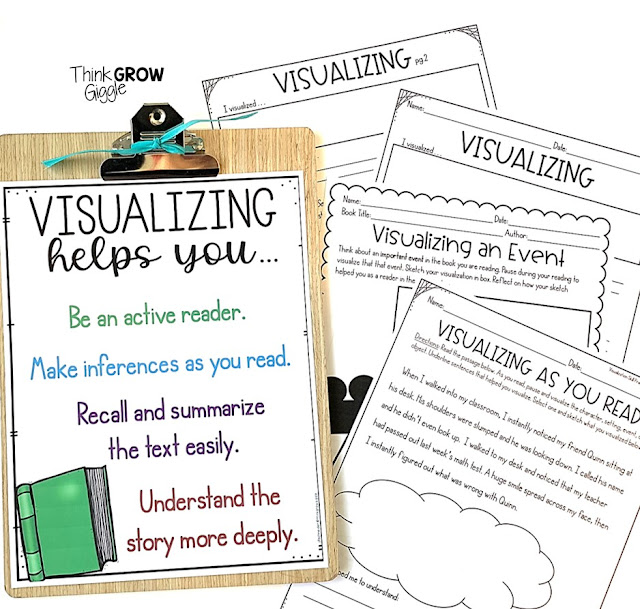
Like this Visualizing Reading Strategy pack! 


reading visualizing lesson


Want more Reading Genre Resources?
Click Here.


reading genre display and lessons


LOVE these ideas? Pin to save!


using a balanced diet for reading genre lessons


signature

Back to School 20 Day Reading Kickoff for Upper Elementary


Celebrating Reading 20 Day Kickoff for Upper Elementary


Nothing gets me more excited than starting the year off by celebrating reading!


By taking the time during the first 20 days of school to teach reading lessons that create a community of readers, you will find:

  • Your students are excited for reading time each day
  • Your routines are in place so that you can maximize the time you have
  • You will build meaningful relationships with students as readers
  • Your students will develop good reading habits in and outside the classroom
  • YOU look forward to teaching reading each day


I have laid out my favorite reading lessons that help me build a community of readers and am excited to share them with you here! You can use these ideas and activities with ANY READING PROGRAM!


It all begins by celebrating reading with fun, community-building activities!  Get started celebrating reading in your classroom this back-to-school season with these simple tips! Read on to see how I create a community of readers using this FREE resource.


Back to School 20 Day Reading Kickoff for Upper Elementary


Teaching reading is the highlight of my day and helping students fall in love with books is my number one goal each year. I love watching students grow into readers who love reading new books, talking about what they read, and exploring our classroom library.  Setting the tone that our classroom is a community of readers right from the first day of school is always a priority for me each year.


What is a Classroom Community of Readers?

Talk to your students about what a community of readers is. What do they talk about? What do they share? How do they celebrate reading? Use the anchor charts included in this free pack to get started on this discussion.

When you are done, pair students up and challenge them to come up with their own ideas to celebrate reading. Come back together as a class and create a list of all the ways your students want to celebrate reading. Complete some of their ideas during the first month of school and then schedule their ideas throughout the year so that you are constantly celebrating reading and your readers!


reading workshop anchor charts


Have Students Make Their Mark as a Reader

Use the blank bookmarks included to help your students celebrate themselves as readers! They can create any bookmark they want to represent their reading life. They might choose to create an illustration of themselves as readers, write their favorite book quote, list new genres that they want to explore, make a reading goal and write it down, the possibilities are endless! Leave it open-ended for your students and you will be amazed at what they create.


reading workshop bookmark activity


Recently Read Display

I LOVE using student book recommendations to motivate all readers, but especially reluctant readers. Have your students complete the "Recently Read" page and create a colorful display for your classroom library. Your students will love reading what others read and they will be motivated to read. This is a great activity to use and display not just at the beginning of the year, but throughout the year, too! Your classroom library bulletin board will thank you!


reading workshop book recommendation activity


Be Ready for the First 20 Days

There is so much to do before the first day of school, don't let planning engaging reading lessons to create a community of readers get lost in the mix. Be sure to grab the free resource that lays out the first 20 days and you will be on your way to having a community of readers in no time!


reading workshop set up for the first 20 days building a community of readers


Take the time at the start of this new school year to create a community of readers. The time you invest in building a reading community will help you maximize your time and grow students into readers who look forward to reading each day! Have a great year, friend!


You might be interested in reading:


                Love these ideas?Pin to save!


Celebrating Reading 20 Day Kickoff for Upper Elementary


signature

Back to School Name Activity for Students Using the Name Jar Book

Back to School Name Activity for Students Using the Name Jar Book


When it comes to writing lesson plans during back to school season, lessons and activities that celebrate students as individuals is always at the top of my list! And one way that I love to do that is by celebrating students' names!


Classroom community builds as soon as we all know each others' names. That is when I always feel like our classroom is officially up and running! I am definitely guilty of still having to peek once or twice at name tags after a few days in, but by celebrating students' names we are all into the swing of things sooner rather than later.


My goal each school year is to make students feel comfortable and welcomed in our classroom environment. I strive to make our classroom to be a place where students feel safe to take risks, work together as a team, and feel that they are valued and appreciated. All of this begins with knowing, celebrating, and calling students by their names. Each name represents something special to all of us, and celebrating that is an important way to build a positive classroom community.


Here are four activities that I do with my students during the first month of school that you will LOVE to add to your lesson plans! They truly help us to get to know each other, celebrate each child's uniqueness, and help decorate our classroom together. Try one or all of them to help build your own positive classroom community.


Read Alouds and Discussions: 

The Name Jar and How Alma Got Her Name


Name Jar activities for upper elementary


When it comes to celebrating students as individuals and celebrating students' names I have two go to picture books that I love to share and discuss with my new bunch of students! These books are The Name Jar written by Yangsook Choi and Alma and How She Got Her Name by Juana Martinez-Neal.


Read Aloud #1

The Name Jar tells the story about Unhei during her first week of school in America after recently moving from Korea. During her first encounter with students on the bus she was teased about her name. She was embarrassed and when she went into her new classroom told her class that she did not have an American name, yet. Her welcoming classmates started a name jar with suggestions for her to choose. As the story continues key points come up names with meanings, names from other countries, American names, and not being able to pick your own name. This story has a wonderful ending with Unhei realizing the value of her own Korean name. 


I love using this book as a back to school interactive read aloud and it serves double duty as it can spark discussions not just about names but also classroom community. It is perfect to have students reflect on their names and the story about themselves.


Read Aloud #2:

Alma and How She Got Her Name tells the story about another young girl who is embarrassed of her name and says it is just too long. She sits with her father who tells her the story of each one of her names and what they mean. After listing, Alma is proud of her name. The author's story at the end of this book is a powerful message to read to the kids. She ends her message with two thought-provoking questions for students to reflect on their names and who they are. 


These two books are perfect to read together to compare and contrast character traits and themes. I suggest reading these books before completing the following activities.


Grab free activities to use with these read-alouds right here!


Adjective Self Portraits


Back to School Name Activity Using the Name Jar Book


I love completing this simple, yet meaningful project during the first week of school. After reading the picture books and discussing our names students brainstorm all of the words and phrases that describe themselves that also start with the first letter of their name. I have the kids just brainstorm on paper. After a few minutes of brainstorming on their own, I partner them up with a new classmate and they work together to brainstorm ideas for each other, two heads are always better than one!


After our brainstormed lists are completed, students create a large self-portrait on 12x18 size construction paper. I borrow a set of class mirrors from the art teacher and give a short tutorial on how to draw self-portraits, and the kids are off to create their best self-portraits to decorate the classroom! This tutorial is great! You can watch it yourself to learn tips to teach your kids or share them with your students.


Once students are finished with their self-portraits, they decorate the empty space around their drawings with all of the brainstormed words and phrases that describe themselves. I love learning these up all year long as a representation of how special and unique each student is! Plus there is nothing better than classroom decor created by the class themselves!


💡Teacher Tip: Creating self-portraits pairs nicely with bio poem writing! I love completing these at the beginning of the year to display all year long!


🧰 Add this to your back to school teacher toolbox: Print and Go Bio Poem Activity


All About Me Apple Acrostic Poems


Back to School Name Activity for Students Using the Name Jar Book


Hands down my favorite activity of the year are getting to know you Apple Acrostic Poems! 


Not only do they give the students an opportunity to tell about themselves and help their new classmates get to know them, but they also make the cutest back-to-school bulletin board or door decor, again, all hand-made by the students!


These are great fun for the students to make and each apple core is truly unique to represent how unique each student is! This adorable display with help you to show how all of your individual apples are part of one big crop - your classroom community! Once you make them for one year, you will be hooked and it will become a back-to-school tradition you do each year!


Get to Know Us Photo Album


back to school name activities upper elementary


I love creating a class photo album with pictures and descriptive paragraphs all about each student. I provide students with prompting questions for them to respond to all about them and their names. Instead of having students write out the responses, I have them type them out during our first few weeks in the computer lab. Once all paragraphs are typed, we print them out. Each page of the photo album includes a photo (I take one on the first day of school) and a paragraph all about them. When all pages are completed we bind the pages together and create a class photo album. 


Not only do the kids love to read (and reread) this photo album, but it is such a great book to have in the classroom. When we have a new student, student-teacher, class helper, or anyone new to our room, we share this book with them so that they can quickly get to know a little about each student in our class. I also always display the class photo album during parent-teacher conferences so that the parents and families can take a peek at our class and see who the kids are always talking about at home. Plus it gives the parents something to look at in the hallway as they wait. 


No matter which of these activities you choose to do with your students during back to school season, celebrating students and their names is a must! Not only do these activities engage students and help your class get to know each other but they build confidence in your students and help you to create a positive classroom environment that will last all year long!


You will love reading:


Check out my favorite back to school interactive read aloud set HERE. 


The Name Jar Back to School Activities


Check out my favorite back-to-school activities HERE. 

Like these must-have class rules set that come with
five styles for you to choose from!


back to school rules posters for upper elementary


LOVE these ideas? Pin to save!


Back to School Name Activity for Students Using the Name Jar Book


*affiliate links: “Think Grow Giggle is a participant in the Amazon Services LLC Associates Program, an affiliate advertising program designed to provide a means for sites to earn advertising fees by advertising and linking to Amazon.” (source: Section 5)


signature
Back to Top