Showing posts with label Reading Strategies. Show all posts

How to Teach Reading Comprehension Strategies with Anchor Charts

How to Teach Reading Comprehension Strategies

As an upper elementary teacher, reading specialist, dyslexia specialist, and reading curriculum trainer and writer, I am often asked the same reading comprehension questions by teachers and parents. Here is how I respond to the same questions I often get about how to teach reading comprehension strategies.


What are reading comprehension strategies?

Reading comprehension and reading strategies are not the same. Reading comprehension is the process of making meaning from a text. Students use reading strategies to better understand, think about, and remember what they read. These strategies help students make sense of the text and deepen their understandingReading strategies are intentional techniques that readers use before, during, and after reading to help them understand and think deeply about the texts they read.


Using a single reading strategy is not enough to help students fully comprehend a text. Strong readers use multiple reading strategies during one reading session. They use strategies before, during, and after reading. Learning how and when to apply these strategies takes practice, but over time, students become more thoughtful and independent readers who can better understand unfamiliar words, important ideas, and the author's message.


How do you teach reading comprehension strategies?


When it comes to teaching reading comprehension strategies, students need direct instruction and repeated exposure. Direct instruction is important so students learn how to put a reading strategy into action. It is important to focus on teaching one reading strategy at a time. This will give the kids time to learn and practice the strategy.

To start off, model the reading strategy with a think-aloud so students can hear your thoughts as you practice, and show them the strategy as you read. It is equally important for students to understand how the reading strategy will help them understand the text. Using anchor chart posters is a great visual way to support students' understanding of each strategy.

Before sending students off to practice the strategy on their own, provide time for guided practice and partner practice. This gives them time to try out the strategy.

Once students have been taught, given practice, and exposed to the strategy again, they will become more confident in implementing it. As this happens, students will begin using multiple reading strategies during a single reading session. They can predict before reading, ask questions during reading, and summarize after reading. This will help them learn that reading strategies work together to strengthen comprehension of what was read. 


How to Teach Reading Comprehension Strategies


What are the most important reading comprehension strategies for upper elementary?

There is no one reading comprehension strategy that is more important than another. Strong readers use multiple reading strategies as they read to help them understand a text. Reading strategies can be broken into three groups: before reading, during reading, and after reading strategies.


Upper elementary students learn when to use different strategies to help them understand more complex reading texts. The reading strategies that I teach to help readers succeed include:

Making Predictions

Activating Prior Knowledge

✓ Making Connections

Visualizing  

Asking Questions

Monitoring Comprehension

✓  Using Fix-Up Strategies

Making Inferences

✓ Determining Importance

✓  Summarizing

✓ Synthesizing

✓ Drawing Conclusions


Using reading strategies posters and anchor charts is a great way to reinforce and review reading strategies throughout the school year. You can display them on a bulletin board and refer back to them during a read-aloud, whole-group lessons, and small-group instruction. They are a visual reminder of the strategy, when to use it, and how to put it into action.


Reading strategy posters are a tool to support students. They are helpful because they support consistent language and instruction in your classroom. Using reading strategy anchor chart posters is a great way to keep your instruction concise and consistent, while supporting students as learners and independent readers.


Try these tips to effectively use reading strategy posters in your upper elementary classroom.


1. Set Up a Reading Comprehension Bulletin Board

How to Teach Reading Comprehension Strategies


Setting up a reading comprehension strategy bulletin board is a great way to provide visual support and encouragement for students as they read independently. Having a display means that students do not have to fumble through their reading notebooks or folders to find the anchor chart you gave them. This saves them valuable time. They simply look at the board, find what they need, and continue reading.


2. Create Binder Ring Reference Tool

How to Teach Reading Comprehension Strategies


Creating a reading comprehension strategy binder-ring reference will help both you, as the teacher, and the students as they read independently. It is easy to make! Print the mini-size anchor charts. Laminate the mini posters for durability. Hole punch each poster in the left corner and then attach with a binder ring. These are perfect to have on hand during small-group instruction. I suggest making two. You can hang one on the bulletin board for students to borrow as needed, and keep one at your table during small-group work.


Speaking from experience, these binder ring tools are incredibly helpful! I love using them. I also love the writer's anchor charts for a binder ring tool during writing.


3. Shine Reading Comprehension Strategy Poster Slides

How to Teach Reading Comprehension Strategies


Having a digital version of the anchor charts is a must! When you want your students to practice a specific strategy or two, simply shine the anchor charts on the board so that students have that visual they need. The slides are also perfect for review.


4. Go Beyond the Anchor Charts

Reading Comprehension Strategies Question cards for small literacy groups


Using the anchor charts provides your students with consistent language and practice as they read. During small group work, support and reinforce the language on the anchor charts by asking students strategy-specific questions about their reading. These are not questions about the character, setting, or problem. Those are story elements. The questions that align with the strategies you have taught them include: What background knowledge helped you to understand the story? What predictions can you make about what will happen next? What inferences can you make about the key event in the chapter?

I like having questions like these on cards to use for any fiction or nonfiction reading material. I have a stack of one-color cards for fiction and another stack of a different color for nonfiction. Having the anchor charts and question cards ready for any reading material reduces prep time for small-group instruction and makes it easier to maintain focus with your group.


Grab free reading activities designed to support reading comprehension strategies:


How to Teach Reading Comprehension Strategies


Whether you are just getting started with teaching reading comprehension strategies or have been teaching for years, bring reading comprehension strategy posters, anchor charts, and question cards into your classroom. They will not only support your students but also provide ready-to-go materials for your instruction and small literacy groups.


Happy teaching! : )


You will also love reading:


Teaching Text Structure in Upper Elementary


                Check out my favorite reading activities HERE


ela reading alphabet posters reading word wall


  LOVE these ideas? Pin to save!
How to Teach Reading Comprehension Strategies with Anchor Charts


*affiliate links: “Think Grow Giggle is a participant in the Amazon Services LLC Associates Program, an affiliate advertising program designed to provide a means for sites to earn advertising fees by advertising and linking to Amazon.” (source: Section 5)


signature

Teaching Vocabulary to Upper Elementary Students - Tier 2 Words


If you have worked with small groups for reading instruction in the last few years, you have probably noticed that lately you are spending more time preteaching vocabulary, explaining to students what words mean, and revisiting sections of the reading to clarify word meanings.

If this sounds familiar, explicitly teaching your students Tier 2 vocabulary words will help!

Students require explicit instruction in Tier 2 vocabulary because these words are essential for comprehending more complex texts across all subjects. 

While Tier One words are basic and often learned through everyday conversation, Tier 2 words are academic and appear frequently in reading materials. These words are not as commonly used in daily speech. By directly teaching these words, we are giving students the tools to better comprehend what they are reading and express themselves more precisely in writing. 

There are many benefits to helping to build your students' vocabulary. Here is why you should teach Tier 2 vocabulary and tips to for how to teach Tier 2 vocabulary in your upper elementary classroom.


signature

4 Quick Tips to Engage Struggling Readers Upper Elementary

4 Quick Tips to Engage Struggling Readers Upper Elementary


Whether you have struggling readers or reluctant readers in your upper elementary classroom, these quick and easy-to-implement tips will help you to engage them and give them some strategies to build their comprehension toolkits.


When it comes to building readers, there are five components that help readers: phonemic awareness, phonics, fluency, vocabulary, and comprehension. The ideas I am sharing below will help you to strengthen the comprehension of not just struggling readers, but all readers! 


comprehension tip for struggling readers


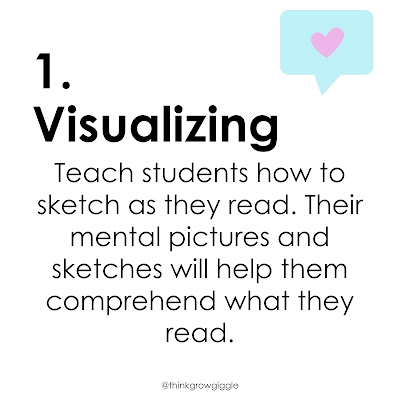
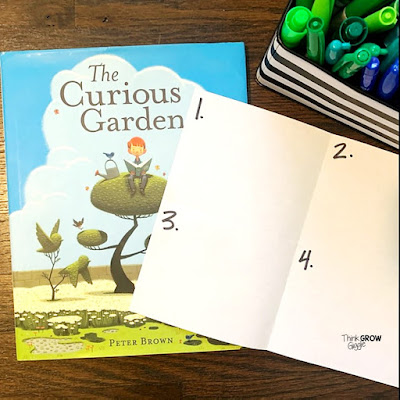
Teach your students how to make quick sketches of the important parts of the stories they read: character and their reactions to problems, the setting, and important events. These visualization sketches are especially helpful as students begin to read longer and more complex texts. You can simply take a piece of paper folded into fourths which would allow for 8 sketches from the book or chapter. After students create their quick sketch, have them jot down what is happening with quick notes and the page number.


Want to try this out? Grab the FREE visualizing activity!


reading ideas to help struggling readers


When it comes to text length for struggling or reluctant readers, the shorter, the better! Using shorter texts helps students to feel like they accomplished a full reading activity in a short amount of time. When a text is too long, it is overwhelming for struggling readers. Using typed text is one way to use short text, but I like to use authentic reading material. That is why I use anthologies, poetry, and books of short stories. 


Try these out to get started with short, authentic texts:


build vocabulary with struggling readers


Build vocabulary by focusing on important words before reading. Previewing important words will help students' fluency and comprehension. You can even use important context clues strategies when the words come up during the reading.  After reading, reinforce the words from the text with visualization sketches to really help students understand and use the new words, building their vocabulary.


reading strategies that work


This tip is a game-changer for struggling readers! Using previously read books makes a big impact on helping students grow as readers and to learn new reading strategies. When you use a book that you have previously read with your class for a new mini-lesson, students can focus on the new skill you are teaching instead of having to figure out and understand the book AND the new skill you are teaching. This tip truly helps alleviate stress and confusion in struggling readers who will feel overwhelmed with new books. Plus, this tip truly shows students that one book can be read many times, and each time they are read with a new lens! 


When it comes to re-engaging struggling or reluctant readers, these tips will help! I have seen them work and ignite a love of reading in my own students, and I know that they will work for you and your students, too!


You will also love reading:


Check out my favorite reading strategy packs HERE.

Like these inferring activities:


Inferring Activities for 3rd 4th 5th Graders


LOVE these ideas? Pin to save!


4 Quick Tips to Engage Struggling Readers Upper Elementary


affiliate links: “Think Grow Giggle is a participant in the Amazon Services LLC Associates Program, an affiliate advertising program designed to provide a means for sites to earn advertising fees by advertising and linking to Amazon.” (source: Section 5)


signature

Using Reading Strategies to Help Readers Grow

Reading strategy activities for 3rd 4th 5th graders


Do you want to help your students grow as readers and truly understand what they read as independent readers? That is always my goal each year, too!

That is why I focus on reading strategy instruction.

Reading strategies and reading units are quite different. 

Often times the teaching of reading strategies gets lost in the mix of teaching reading units. While teaching reading units such as character development are important, I have found that explicitly teaching students how to apply reading comprehension strategies to be the most effective tool to  help students grow as independent and self-monitoring readers.

Reading strategy instruction can be overwhelming at first to plan and implement, but it is important to teach students how to use reading strategies they read independently. It exposes students to multiple techniques to help them truly comprehend the text at hand. 

When students apply a variety of reading strategies as they read, it helps them become active readers. When students are active readers and apply multiple strategies as they read, they are able to understand the text at a deeper level. 

By teaching reading strategies with explicit instruction, you will help your students:
  • see reading strategies in action multiple times
  • learn how to apply them to their own independent reading
  • have the opportunity to practice the strategy in isolation
  • build their reading strategy repertoire 
  • learn how to apply more than one reading strategy when reading complex texts
  • understand the books that they read at a deeper level

Not sure how to get started?

I can help!

I have compiled tried and true teaching strategy resources that I use with my own students into convenient print-and-go packs to make planning, teaching, and practicing easier!


Each reading strategy pack includes:

  • anchor charts
  • graphic organizers to scaffold instruction
  • student practice pages
  • task cards and reading passages
  • independent reading tasks
  • many sets have modeled examples
  • and so much more in both print and digital formats


Which reading strategy set will you use today?


reading strategy activities for 3rd 4th 5th graes

Take a closer look at each reading strategy set by clicking the images below.


making predictions activities for upper elementary kids


"I have now purchased a few of these reading strategies from this seller and have been very happy with the package and how it is so easy to use in my classroom. I really appreciated the read aloud suggestions - I love using story books in class, they still love to be read to!"


questioning activities for kids


"This was a great resource for my questioning unit. Very thorough and well laid out. The graphic organizers were great for independent practice. Thank you!"


making inferences activities for kids


"This resource was awesome! I couldn't believe all that was included. It has everything you need to teach inferencing in a simple and inviting format. The practice activities are great!"


summarizing activities for 3rd 4th 5th graders


"Wow, I had to reteach this strategy {summarizing} and using your product has made a great difference in my students' success. I reduced the size your poster for summarizing and the summary vs retell and taped them to my students' desk.
Love IT!!"


visualizing activities for kids


"Very helpful tool for teaching envisioning during reader's workshop. Great scaffolded worksheets for written responses."

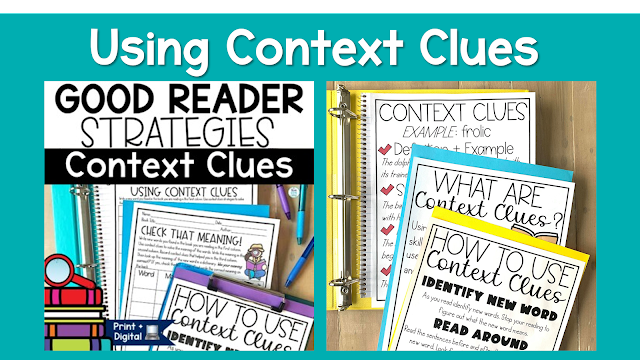
context clues activities for kids


"I love all of your products. They are easy to use and implement in the classroom. I use them in reader's notebooks and in small groups with my students. Thank you."


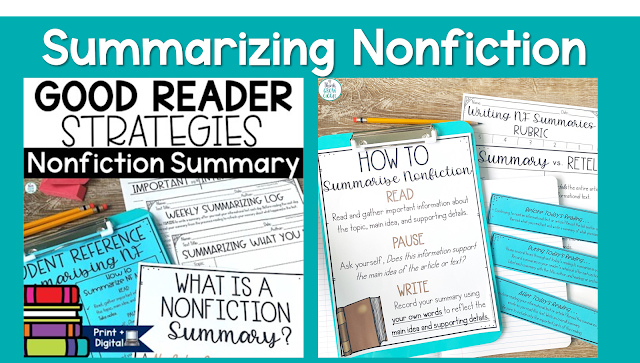
nonfiction summary activities for kids


"You have literally thought of every activity to help kiddos understand summarizing in both fiction and non-fiction. This resource is gold! Can’t wait to use it with my students this upcoming year! Thank you."


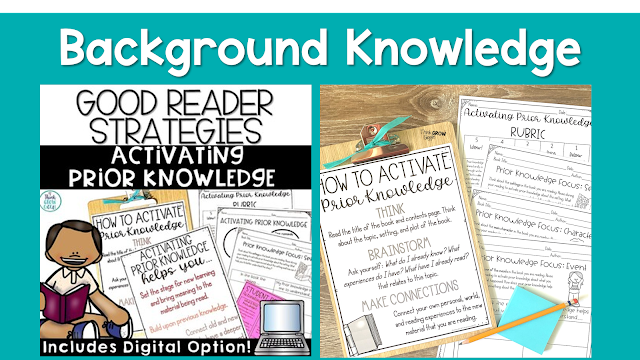
background knowledge activities for kids
"Extremely satisfied! I have a lot of English language learners and this is very helpful to them as well as an excellent review to the class as a whole. Thank you."

reading strategy activities for kids

Using Reading Strategies to Help Readers Grow


LOVE these reading strategy sets?
Be on the lookout for new sets being posted here!


Using Reading Strategies to Help Readers Grow


signature

3 Tips to Promote Powerful Reading Conversations and Discourse

3 Tips to Promote Powerful Reading Conversations and Discourse


Are you looking to strengthen student reading comprehension, increase class participation, and help your students develop a love for reading a wide range of books? By engaging students in powerful reading discourse, you will help your students do all three!


When students engage in reading discourse with their peers about the books that they read, their motivation and interest in reading increase, and their comprehension skills become stronger. This is because students must listen to what others say and then join the conversation by responding using both their own opinion and text evidence. When students are engaged in conversations about books they use the reading strategies that you have taught them to dive deeper into the books that they read.


Increasing the amount of conversations about books that kids have with their peers each day is a great way to strengthen student comprehension skills. Here are three ways that I promote powerful reading conversations and discourse in my classroom.


1. Give Them the Reading Stems


Reading Talking Stems for Upper Elementary Bulletin Board and Classroom


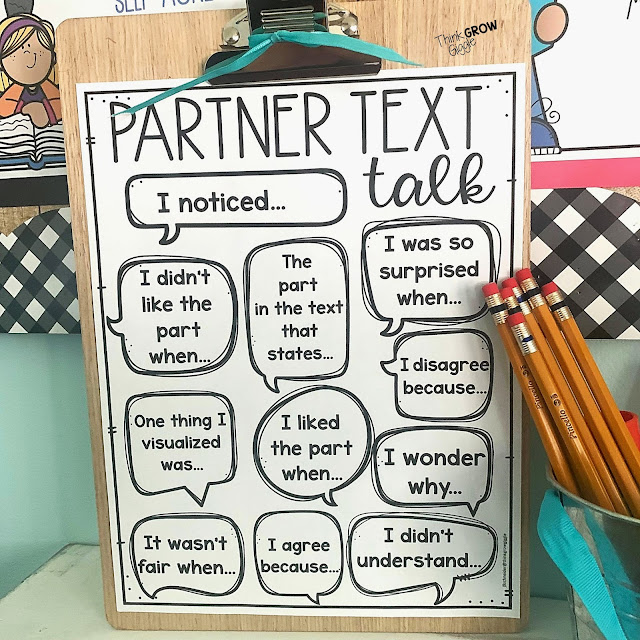
If we want students to talk about the books that they are reading in meaningful ways then we have to teach them how! Get started teaching students how to engage in reading discourse by engaging them with picture book read-alouds and these reading talking stems.  Create a bulletin board with these stems to encourage students to use them all year long! I also give my students these reading stems in list form to keep in their reading notebooks to always have on hand for small group and partner reading tasks. Using reading stems helps students to start conversations and keep the conversation going! Students can respond with questions, responses, clarifications, and piggyback off of what their peer said. Many stems require students to use text evidence to support their thinking and comments.


In action in my classroom: 

My students know that one of my favorite classroom phrases is, "Keep the conversation going!" I have these stems on a bulletin board in my reading corner. Next to it, is an anchor chart with step-by-step directions on how to keep the conversation going. Here are the directions on the anchor chart:

  • Turn to face your partner.
  • Sit eye to eye and knee to knee.
  • Listen with attentive ears as your partner speaks.
  • Respond using a reading stem to keep the conversation going.
  • Repeat!


Students learn these stems quickly. I practice these right from the start of the school year using my favorite back-to-school read-alouds. You will notice after a few weeks of practice, students really do learn how to keep the conversation going!


These reading stems are especially useful for students who struggle to add their own thoughts to a conversation. Often times the conversation between readers can die off after one person makes a comment. By telling students to keep the conversation going, they know they need to bring that conversation back alive with one of the given reading stems!


2. Revisit Previously Read Books


Classroom Library


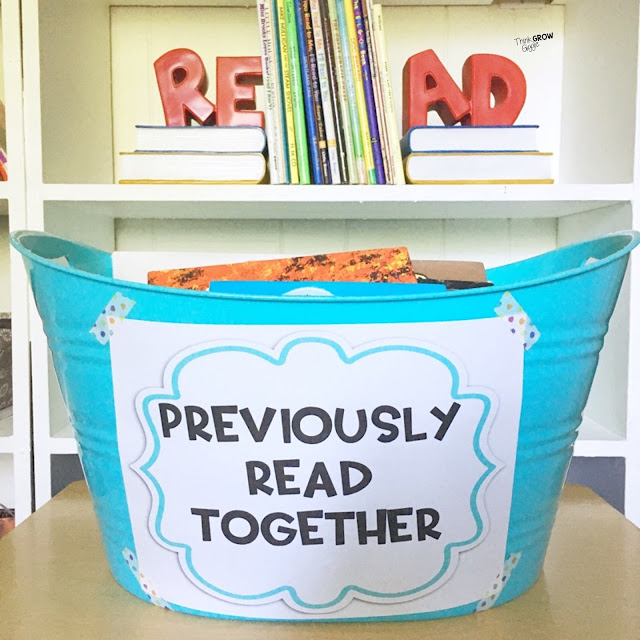
Using previously read picture books as a part of your reading routine is a great way to increase student participation and confidence.  In my classroom, this large bucket can be found in my reading corner. Any picture book that I have read aloud and that we have discussed and digested together goes into this previously read bucket. Since the students are already familiar with the books in this basket, it makes it easier for them to engage in discourse around the story. That is why many times I use books from this basket during mini-lessons, small group instruction, and during reading conferences.


In action in my classroom:

In addition to using these previously read books as a teaching tool, students are welcome to revisit any book in this bucket. When students reread books from this bucket they are increasing their fluency and comprehension. When struggling readers revisit books from this bucket they are increasing their confidence. There are so many benefits of having a bucket like this!


3. Focused Mid-Reading Break


Reading Talking Stems for Elementary


I have found that the best way to get students to engage in meaningful conversations with their peers about the books that they read is to give them a specific question to think about as they read. By telling them the question before they read, you are giving them a focus and a purpose. As students read, they take quick notes and ideas to be able to answer the proposed question through rich dialogue filled with examples from the text. When it is time to discuss the book and question with their reading partner they are armed with specific examples and notes and the reading stems to help them keep the conversation going!


In action in my classroom:  

During our reading block, we have a mid-reading break. Before students begin independently reading, I write a question on the board/chart paper. If we are in the middle of a character unit, the question might simply be: What character trait does the main character have? As the students read, they collect evidence to answer that question during the mid-reading break partner discussion. About halfway through reading, I stop the students, they get with their mid-reading break partner, and have a discussion about the character traits of the main character. They use both their notes and the reading stems to keep the conversation going! The kids love this time of the day and always look forward to it. After about five minutes, I stop the conversation and the kids head back out to finish their independent reading.


BONUS IDEA: Weekly Book Talks


If you want students to talk about the books that they are reading, then you need to carve time out of your day to make it happen! There are two ways that I include book talks in my classroom.


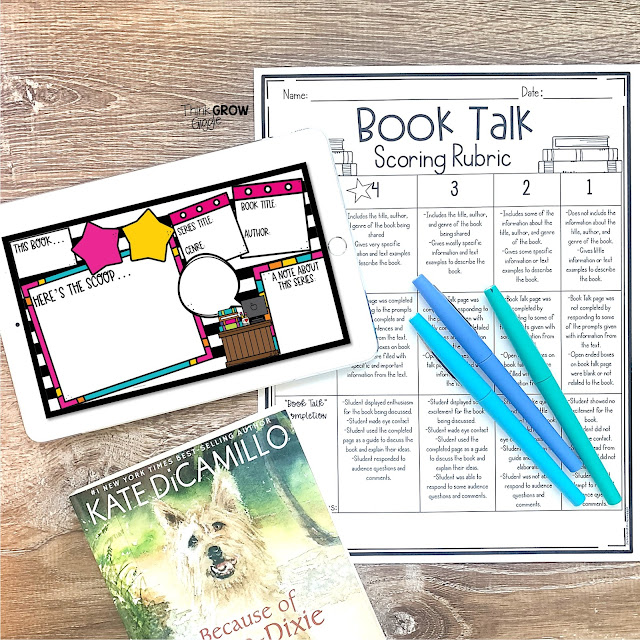
The first type of book talk we do takes place during morning meeting time. These morning book chats are optional, but so many students love signing up for them. Students sign up in advance to share a book that they are reading. I have specific guidelines so that students know what they need to say during their share. It is not a written response, but rather just a casual share of the book. After a few shares, the kids are always looking for an opening to share their book. We do these only once a week so the time slots go fast!


Book Talks and Chats for Upper Elementary Classrooms


The second type of book talk we do takes place once a week on Friday afternoons. Students who are presenting that week have all week to work on their book talk that they will be sharing. These are not optional. At the beginning of the year, students have the choice to create a print or digital book talk using the provided template. As the year moves on, all students complete the digital version, making this truly a no-prep activity! I love that this book talk strengthens students reading, listening, and presentation skills! The kids always look forward to Friday afternoons when they listen to each other's book talks!


Want to try out book talks in your classroom? Read this post to get started!


Book Talks for Upper Elementary


When it comes to engaging students in meaningful reading discourse, try some of these ideas! 

You will see a big increase in student confidence, participation rate, and overall reading comprehension! The more practice opportunities that you give students to engage in meaningful reading discourse, the more they will begin to put this into practice on their own.


Want to get started engaging students in meaningful conversations about the books they read? Grab this FREE book recommendation form and start today!


You will love reading these related posts:


Looking for critical book talk activities that kids love? Try THESE.


Book Talks in Upper elementary classroom


          Love these ideas? Pin to save them!


Book talks in upper elementary reading room


signature

Visualizing Reading Strategy Lesson Ideas and Activities

Visualizing Reading Strategy Lesson Ideas and Activities


Visualizing is an important reading strategy that good readers use to help create mental images or movies in their minds to represent the ideas that they read in the text. Visualization requires students to weave together their own background knowledge, text evidence, and creativity to make an image in their mind's eye to match the story or informational article that they are reading. The images that they make help them to understand what they are reading at a deeper level.


Visualizing is my favorite reading strategy to teach since it is not only fun for students but truly helps them to dig deeper into what they are reading. It is highly engaging for students and its interactive nature helps readers of all levels, including struggling readers, connect with the text. In fact, I have watched struggling readers blossom as readers when they put this reading strategy into action.


When students visualize as they read they:
  • Become an active and alert reader, making predictions as they read.
  • Notice details and specific language in the text.
  • Better understand key story elements.
  • Understand character emotions, and make connections with them.
  • Recall and summarize the text easily.
  • Self-monitor their own comprehension.
  • Make inferences as they read.
  • Get into the world of the book.

As we teach students to make mental pictures and visualize as they read, we must provide students with opportunities to practice pulling their own background knowledge and gathering important language from the text to help create their own creative mental image of the books that they are reading to understand the text at a deeper level.


How to teach students how to visualize


So how can we get students to make meaningful mental images as they read to help them better understand the books that they are reading?  Add these visualizing activities to your reading lesson plans to help you teach this reading strategy successfully and have your students hooked on visualizing as they read in no time at all!


Let's Listen Carefully

My favorite activity to kick off visualizing is simple. All you need is a favorite picture book, one filled with rich imagery and specific language, and a plain piece of paper. Have students fold the paper into fourths so that they have four boxes on the front and four on the back. Then have students label each box from 1-8. Now read a picture book aloud without showing students the illustrations. As you read, stop 8 different times to have students illustrate what they visualized right before you stopped. Once you have finished reading the book, reread the book, this time sharing the illustrations. 

Three important discussion questions to ask during the illustration share time are, How are your illustrations the same and different than the ones in the book? What words from the text helped you to create that illustration? How do your illustrations help you to better understand the story?


Visualizing picture book activity

While there are so many amazing picture books to use for this activity my three favorites are:


Try this: Want to mix up this activity? Instead of reading aloud a picture book and stopping to have students create their illustrations, have the students listen to a book from Storyline Online. Don't let them see it until after they have all 8 illustrations done. Then watch the story together, stopping and discussing how their illustrations match the movie. My favorite one to use for this activity on Storyline Online is Brave Irene or A Bad Case of the Stripes.


Break It Down

Since visualization is a reading strategy that many students easily latch on to, it is sometimes easy to glaze over teaching this strategy. Don't! The more time you spend breaking down the how, why, what and when to visualize techniques, the deeper your students will dig into the text's meaning. By explaining this step by step approach, students will begin to pay close attention to the author's words and use them to create their mental images. 


Here are the steps I teach:

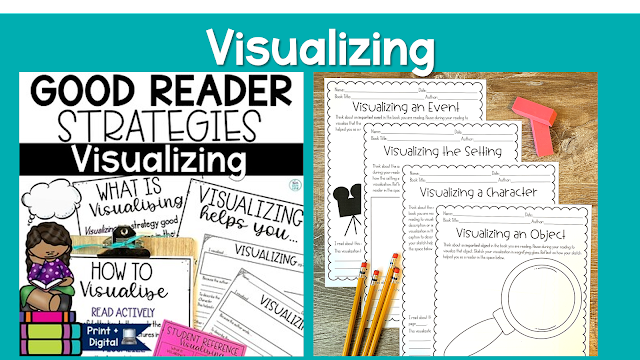
  1. Read Actively: pay careful attention to the words that the author uses in the text to help form pictures in your mind
  2. Visualize: Use the author's word and your own thoughts and creativity to create a movie in your mind of what is happening in the text.
  3. Sketch: Create a quick sketch of the important details found in the text and reflect: How does this sketch help me better understand the story.


Teaching students how to visualize


Character, Setting, Events, and Objects, Oh My!

When it comes to visualizing I make sure that students visualize story elements. By stopping and visualizing characters, settings, events, and objects young readers can get into the text and begin to predict what will happen next, how a character is feeling, and begin to make inferences along the way. We practice visualizing characters, settings, events, and objects during our chapter book read aloud. My favorite to practice visualizing these elements is The City of Ember written by Jeanne DuPrau.


I especially love this book because the world that the author creates is like nothing the students have ever experienced, forcing them to visualize and imagine the world in their own minds. Additionally, the author does an amazing job of describing the characters' actions, feelings and emotions, making it easy for students to stop and visualize and then use their images to help them better understand and make inferences about the characters.


And super fun teacher bonus, this book is also available as a movie. Watch it, or even just bits and pieces of it, and have students compare and contrast their mental images with what they see in the movie. 


Upper elementary visualizing activities


Sketch it Out

When teaching visualizing I am always sure to emphasize that when students visualize as they read they can create a "quick sketch" in their readers' notebooks. It is a great way to hold students accountable for independently reading AND using a reading strategy. While I want students visualizing, I do not want them drawing the whole time instead of reading. Their sketches should support the work that they are doing as readers and not take over. Grab a free sketching activity to use at the bottom of this post.


I have found that by giving students specific visualizing tasks to complete before, during, and after they read, keeps students focused and on task during their independent reading time and helps keep a balance between reading and sketching. Grab a free sketching activity to use at the bottom of this post.


Visualizing Reading Strategy Lesson Ideas and Activities


Visualizing activities for 2nd, 3rd, 4th, 5th grade students


Comparing Mental Images

I love having students meet up during our mid-workshop break to chat about the books that they are reading. I love to also pause our read aloud to have students turn and talk about the books that I am reading to them. During a read-aloud go a step beyond just having students make mental images. Have them compare and contrast their mental images with their reading partners'. This will give students an opportunity to see the book from their peer's perspective but also they will pick up on specific author's language that they may have missed.


Visualizing with chapter books


When it comes to a reading strategy that engages all levels of readers, visualization is it! Not only is it highly engaging, but it truly helps students dig deeper into understanding the complex texts that they begin to read as upper elementary students. Once students become experts at visualizing you will find that they begin to make inferences as they read, are able to independently use context clues to learn new words, and understand tricky figurative language. Teaching students to visualize effectively is well worth the classroom time spent on direct instruction.


Love these visualizing lesson ideas? Pin to save them!


Visualizing activities to do during reading upper elementary


Grab the printable AND digital visualizing set HERE.


digital visualizing activities for distance learning


Join the Newsletter

Subscribe to get our latest content by email and scoop up this free visualizing activity.

    We respect your privacy. Unsubscribe at any time.


    *affiliate links: “Think Grow Giggle is a participant in the Amazon Services LLC Associates Program, an affiliate advertising program designed to provide a means for sites to earn advertising fees by advertising and linking to Amazon.” (source: Section 5)


    440


    signature
    Back to Top