Showing posts with label Active Reading. Show all posts

How to Teach Reading Comprehension Strategies with Anchor Charts

How to Teach Reading Comprehension Strategies

As an upper elementary teacher, reading specialist, dyslexia specialist, and reading curriculum trainer and writer, I am often asked the same reading comprehension questions by teachers and parents. Here is how I respond to the same questions I often get about how to teach reading comprehension strategies.


What are reading comprehension strategies?

Reading comprehension and reading strategies are not the same. Reading comprehension is the process of making meaning from a text. Students use reading strategies to better understand, think about, and remember what they read. These strategies help students make sense of the text and deepen their understandingReading strategies are intentional techniques that readers use before, during, and after reading to help them understand and think deeply about the texts they read.


Using a single reading strategy is not enough to help students fully comprehend a text. Strong readers use multiple reading strategies during one reading session. They use strategies before, during, and after reading. Learning how and when to apply these strategies takes practice, but over time, students become more thoughtful and independent readers who can better understand unfamiliar words, important ideas, and the author's message.


How do you teach reading comprehension strategies?


When it comes to teaching reading comprehension strategies, students need direct instruction and repeated exposure. Direct instruction is important so students learn how to put a reading strategy into action. It is important to focus on teaching one reading strategy at a time. This will give the kids time to learn and practice the strategy.

To start off, model the reading strategy with a think-aloud so students can hear your thoughts as you practice, and show them the strategy as you read. It is equally important for students to understand how the reading strategy will help them understand the text. Using anchor chart posters is a great visual way to support students' understanding of each strategy.

Before sending students off to practice the strategy on their own, provide time for guided practice and partner practice. This gives them time to try out the strategy.

Once students have been taught, given practice, and exposed to the strategy again, they will become more confident in implementing it. As this happens, students will begin using multiple reading strategies during a single reading session. They can predict before reading, ask questions during reading, and summarize after reading. This will help them learn that reading strategies work together to strengthen comprehension of what was read. 


How to Teach Reading Comprehension Strategies


What are the most important reading comprehension strategies for upper elementary?

There is no one reading comprehension strategy that is more important than another. Strong readers use multiple reading strategies as they read to help them understand a text. Reading strategies can be broken into three groups: before reading, during reading, and after reading strategies.


Upper elementary students learn when to use different strategies to help them understand more complex reading texts. The reading strategies that I teach to help readers succeed include:

Making Predictions

Activating Prior Knowledge

✓ Making Connections

Visualizing  

Asking Questions

Monitoring Comprehension

✓  Using Fix-Up Strategies

Making Inferences

✓ Determining Importance

✓  Summarizing

✓ Synthesizing

✓ Drawing Conclusions


Using reading strategies posters and anchor charts is a great way to reinforce and review reading strategies throughout the school year. You can display them on a bulletin board and refer back to them during a read-aloud, whole-group lessons, and small-group instruction. They are a visual reminder of the strategy, when to use it, and how to put it into action.


Reading strategy posters are a tool to support students. They are helpful because they support consistent language and instruction in your classroom. Using reading strategy anchor chart posters is a great way to keep your instruction concise and consistent, while supporting students as learners and independent readers.


Try these tips to effectively use reading strategy posters in your upper elementary classroom.


1. Set Up a Reading Comprehension Bulletin Board

How to Teach Reading Comprehension Strategies


Setting up a reading comprehension strategy bulletin board is a great way to provide visual support and encouragement for students as they read independently. Having a display means that students do not have to fumble through their reading notebooks or folders to find the anchor chart you gave them. This saves them valuable time. They simply look at the board, find what they need, and continue reading.


2. Create Binder Ring Reference Tool

How to Teach Reading Comprehension Strategies


Creating a reading comprehension strategy binder-ring reference will help both you, as the teacher, and the students as they read independently. It is easy to make! Print the mini-size anchor charts. Laminate the mini posters for durability. Hole punch each poster in the left corner and then attach with a binder ring. These are perfect to have on hand during small-group instruction. I suggest making two. You can hang one on the bulletin board for students to borrow as needed, and keep one at your table during small-group work.


Speaking from experience, these binder ring tools are incredibly helpful! I love using them. I also love the writer's anchor charts for a binder ring tool during writing.


3. Shine Reading Comprehension Strategy Poster Slides

How to Teach Reading Comprehension Strategies


Having a digital version of the anchor charts is a must! When you want your students to practice a specific strategy or two, simply shine the anchor charts on the board so that students have that visual they need. The slides are also perfect for review.


4. Go Beyond the Anchor Charts

Reading Comprehension Strategies Question cards for small literacy groups


Using the anchor charts provides your students with consistent language and practice as they read. During small group work, support and reinforce the language on the anchor charts by asking students strategy-specific questions about their reading. These are not questions about the character, setting, or problem. Those are story elements. The questions that align with the strategies you have taught them include: What background knowledge helped you to understand the story? What predictions can you make about what will happen next? What inferences can you make about the key event in the chapter?

I like having questions like these on cards to use for any fiction or nonfiction reading material. I have a stack of one-color cards for fiction and another stack of a different color for nonfiction. Having the anchor charts and question cards ready for any reading material reduces prep time for small-group instruction and makes it easier to maintain focus with your group.


Grab free reading activities designed to support reading comprehension strategies:


How to Teach Reading Comprehension Strategies


Whether you are just getting started with teaching reading comprehension strategies or have been teaching for years, bring reading comprehension strategy posters, anchor charts, and question cards into your classroom. They will not only support your students but also provide ready-to-go materials for your instruction and small literacy groups.


Happy teaching! : )


You will also love reading:


Teaching Text Structure in Upper Elementary


                Check out my favorite reading activities HERE


ela reading alphabet posters reading word wall


  LOVE these ideas? Pin to save!
How to Teach Reading Comprehension Strategies with Anchor Charts


*affiliate links: “Think Grow Giggle is a participant in the Amazon Services LLC Associates Program, an affiliate advertising program designed to provide a means for sites to earn advertising fees by advertising and linking to Amazon.” (source: Section 5)


signature

Figurative Language Activities for Upper Elementary Students

4 Figurative Language Activities for Upper Elementary Students

Teaching figurative language year-round is a great way to help our students understand it as readers and writers! The more students understand figurative language as they read, the more they will use it in their writing! When students use different forms of figurative language in their writing, their writing is instantly elevated!


What is figurative language? 

Figurative language is a word or phrase that does not have a literal meaning.

Figurative Language helps readers create a mental image in their mind of what they are reading. Authors use different forms of figurative language to bring their writing pieces to life.


What forms of figurative language do you focus on? 

While your state and district standards might only list similes, metaphors, and idioms as grade-level standards for figurative language, I love to dive deeper! The kids love learning about figurative language and take to it quickly! The more they are exposed to, the more it will creep into their narrative writing.

Here are the figurative language forms I teach:

✅Similes
✅Metaphors
✅Personification
✅Alliteration
✅Idioms
✅Hyperboles
✅Imagery
✅Onomatopoeia

How do you get started with figurative language in your upper elementary 3rd, 4th, and 5th grade classrooms? 

Try these tried-and-true ideas that I have used with my students.


1. Figurative Language Coloring Pages

figurative language coloring pages for 3rd 4th 5th 6th graders


There is no better motivator for our upper elementary students than coloring! In the last few years, I have noticed a huge increase in students wanting to color and be creative. It is so exciting to watch! You can harness that artistic excitement with coloring pages that focus on different forms of figurative language. What I especially LOVE about these figurative language doodle coloring pages is that they serve as a great visual for each form of figurative language. And since each page has word work and writing tasks, your students will try out writing with figurative language and not just coloring! 


2. Figurative Language Reading Passages

figurative language reading passages 3rd 4th 5th 6th grade


I have always loved using mentor texts to teach figurative language. While so many picture books serve as wonderful models of figurative language, I have found that the kids thrive when given a printable passage that they can mark up and highlight. My upper elementary students love to act as detectives as they read these seasonal and "anytime" reading passages filled with figurative language that they have to find. Once they engage with these texts, you will start to see the different forms of figurative language begin to creep into their writing! #teacherwin


Go beyond just reading passages and stories with figurative language and dive into poetry with figurative language! This is especially helpful for struggling readers who can sometimes be overwhelmed by the number of words in a passage or story.


figurative language in poetry for upper elementary


3. Figurative Language Descriptive Writing Projects

figurative language writing projects 3rd 4th 5th grade


The change of each season offers a great opportunity to explore figurative language and imagery. I love using seasonal descriptive projects that tie together writing, figurative language, and art.


Each descriptive writing project we do at the start of each season allows students to revisit different forms of figurative language. We practice each type in isolation and then work on adding them to our descriptive writing pieces that focus on a setting or character. The students' writing always wows me! And bonus...the students' final art and writing pieces make the best bulletin board display!


4. Figurative Language Hunt Reading Activity

figurative language reading activities 3rd 4th 5th 6th grade


When teaching figurative language, I like to encourage students to think like both readers and writers. As readers, they learn to recognize when and how authors use figurative language to bring stories to life. As writers, they discover how to weave those same techniques into their own work to make their writing more engaging.

One of my favorite ways to reinforce this is with "Frequent Figurative Language" punch cards. These cards challenge students to spot figurative language in the books they read and then apply those techniques in their own writing. It’s a simple yet effective way to keep them actively engaged with texts while strengthening their writing skills!


💡BONUS: Figurative Language Lesson Idea

figurative language teaching slides powerpoints 3rd 4th 5th 6th grade


Get visual with an engaging, figurative language slideshow that will teach your students and reel them in to encourage active participation! When explicitly teaching figurative language, I love to provide students with as many visuals as possible. Using images that reflect each form of figurative language helps students to understand each form. It allows students to practice in isolation before transferring these new skills to their writing pieces. These slideshows make it easy to do that for each form of figurative language!


Grab this free alliteration activity to bring figurative language into your classroom!


You ARE ready to get started!

Figurative language is so much more than just a lesson! It is a powerful tool that young writers love to infuse into their writing! By using engaging activities like doodle-style coloring pages, themed reading passages, and hands-on art and descriptive projects, we give students the tools to recognize figurative language and use it to improve their writing. Encouraging independent reading with a “frequent figurative language reader card” keeps our upper elementary students on the lookout for similes, metaphors, personification, and other figurative language techniques in the books they read. This easily ties together students’ reading and writing skills and is a fun motivator for our kids! 


Happy teaching! : )


figurative language reading passages 3rd 4th 5th 6th grade


figurative language lesson slides and activities 3rd 4th 5th 6th grade


                      Love these ideas? Pin to save!

4 Figurative Language Activities for Upper Elementary Students

*affiliate links: “Think Grow Giggle is a participant in the Amazon Services LLC Associates Program, an affiliate advertising program designed to provide a means for sites to earn advertising fees by advertising and linking to Amazon.” (source: Section 5)


signature

Quick Tip to Strengthen Reading Comprehension Strategies for Upper Elementary

Quick Tip to Strengthen Reading Comprehension in the Upper Elementary Classroom

Multiple-choice questions are not my thing.


Before Connecticut shifted to SBAC testing, teachers wrote the yearly state exams. I was on a team that wrote 3rd-grade reading tests. This included the passages and the questions. So much professional development and non-disclosure agreements went into the multi-day training we were provided to be certified to write those exams. 

The entire process was extremely eye-opening and helped me learn a lot about what makes a good and fair assessment for students. After all that training, I stopped using multiple-choice questions to assess students in my classroom.

There is a time and place for multiple choice questions. But on a daily basis, when we read stories and passages, I do not use multiple-choice questions as a form of assessment. 

If you have any of the reading packs from my shop, you know that there are no multiple-choice questions. In fact, I often get asked why there are no multiple-choice questions...well, it is just not something I put a lot of value into when assessing students.

Multiple choice for test prep? Absolutely! I do use multiple choice questions for test prep so that students know good test-taking strategies, but I do not like to use them with daily reading activities. There are better options to use as teachers to get a pulse of students' understanding of what was read. The more you say no to multiple-choice, and yes to open ended tasks you give students as they read, the less test prep you will need to do! This is because the students have learned how to think as they read and develop good reading habits.


active reading tip for 3rd 4th 5th graders


I do not like using multiple-choice questions because...

👎 they try to measure too many objectives or not the right objectives in each question stem
👎 negatives in the question stem and "funny" choice options confuse students
👎 it is a guessing game that does not tell me if students know the correct answer or guessed the correct answer

Instead, I use...

👍 specific tasks that have students highlighting the answer in the text
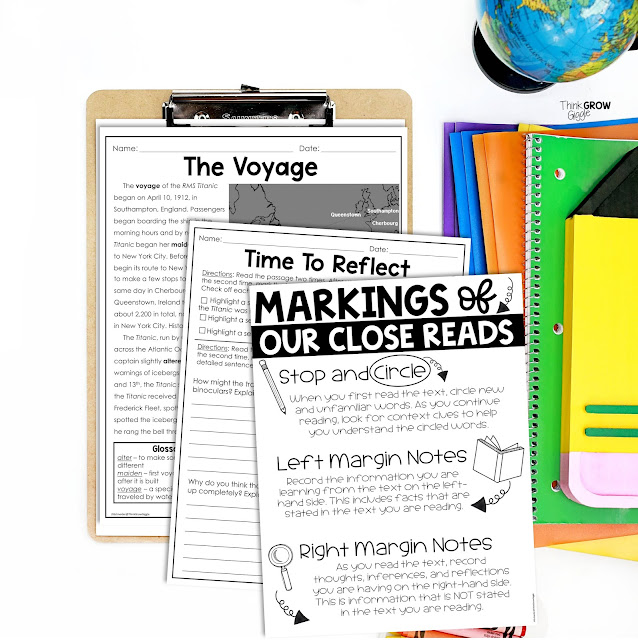
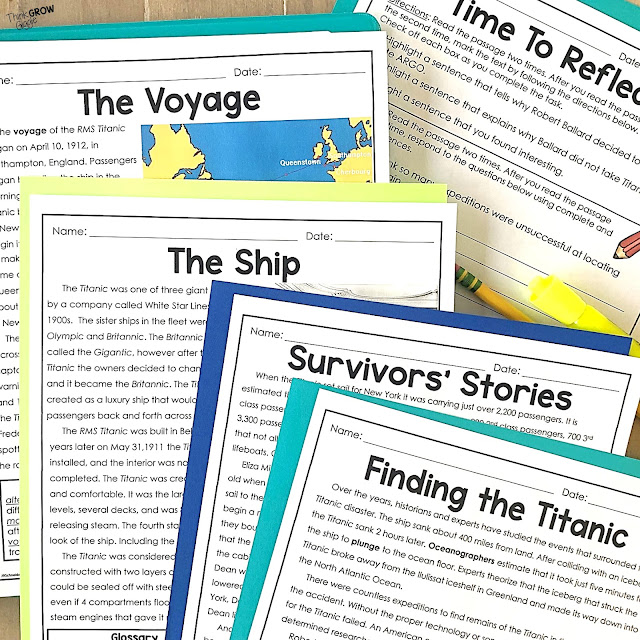
👍 short answer and open-ended response questions that value text evidence and student-reflective opinions
👍 classroom discussions around multiple-choice style questions without the choices. 


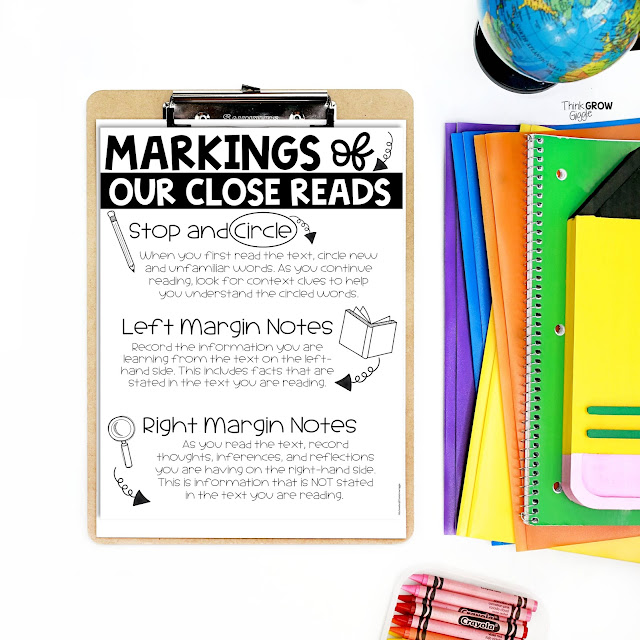
reading annotation guide for 3rd 4th 5th graders


If you want to begin to shift away from using multiple choice questions, try these simple annotation tips to get started. These tips can be used with any text and no fancy tools or resources are needed. 

Simply write these annotation tasks at the board and have students work!

Circle a new vocabulary word you learned and write your own meaning in the margin.
Underline a part of the text you found interesting and want to share with the class. 
Highlight a part of the text that made you ask a question. Write the question in the margin and a possible answer.

By encouraging students to be active readers who engage with the materials that they read rather than have them focus on picking (or guessing) an answer in a multiple choice question, their reading comprehension will strengthen. 

You can get started today using ANY book, poem, or passage that you have on hand. Simply teach students how to annotate using the suggestions above or your own, and watch them become more engaged and develop their comprehension.

Grab the FREE annotation chart and reading passage below to get started!


Looking for more reading comprehension passages and activities? Look HERE!

active reading tip using nonfiction reading passages


             Love these ideas? Pin to save them!

Quick Tip to Strengthen Reading Comprehension in the Upper Elementary Classroom


signature

7 Interactive Read Aloud Tips for Success with Upper Elementary

7 Interactive Read Alouds Tips for Success


Thinking about getting started with interactive read alouds in your classroom? They are a must! Interactive read-alouds are a valuable way for teachers to engage students in meaningful discussions and promote comprehension skills.


So what is an interactive read-aloud?


An interactive read-aloud is a dynamic and purposeful reading activity that engages students in high-quality literature. During an interactive read-aloud, the students are actively involved in the reading process. This approach goes beyond a simple read-aloud; it encourages students to think critically, ask questions, make connections, and discuss the content. Pausing at strategic points to pose discussion questions, explore vocabulary, and model reading comprehension strategies is an important part of the interactive read-aloud experience. 


I love using interactive read-alouds because they promote a deeper understanding of the text, provide models for students to engage with their own texts as they independently read, and foster a love of reading. 


Want to get started using interactive read-alouds in YOUR upper elementary classroom? These seven must-try tips will help you get started!


1. Choose Age-Appropriate and Engaging Text

This first step is so important! Be sure to select books or texts that are appropriate for your students' age and reading level and captivating and relevant to their interests. Engaging texts are more likely to hold their attention and spark meaningful discussions.

Picture Books and chapter books both make amazing interactive read-alouds for students. You can select fiction, nonfiction, and even poetry picture books. Since picture books are much shorter than chapter books, they are my go-to. 


Not sure where to find appropriate picture books for upper elementary? I have some lists of favorites that you and your students will love!


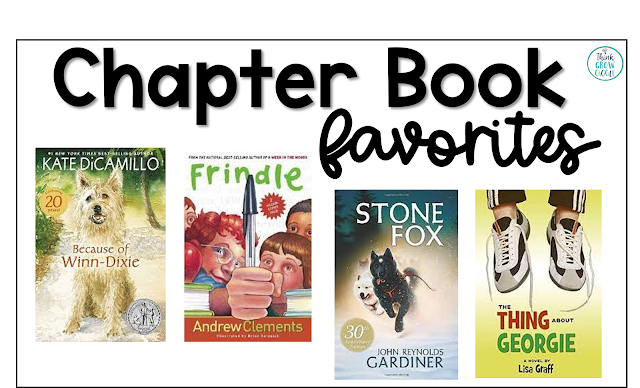
 ➡️Rather start interactive read alouds with a chapter book? These chapter books are always class favorites!

    chapter books for upper elementary read alouds


    2. Use the Voices and Make the Sound Effects

    The best part about the read alouds are different voices and sound effects that you can use to not only hook students, but to show them what fluent reading sounds like! I love to have a box of props next to my read aloud chair that I can use to help me as I read. Items I include are bells, clapping hands, and a rain shaker or shaker filled with rice. But, you do not need anything fancy! Just your voice, hands, and feet do the trick to bringing the read aloud to life. And yes, if there are silly voices and singing going on in the story, do them! You will make your students smile and love reading.


    3. Revisit the Book Again and Again

    Yes, I am going to say it again! Picture books should be read again and again and again!

    We read picture books in my classroom multiple times, each time with a different purpose. It does NOT get boring. The kids know we are rereading it with a different lens each time, so their thoughts and discussions change. Plus, since they already know the story, their reflections are more meaningful and are often filled with connections.


    When you reread previously read picture books, you help students:

    • focus on the skill or objective of your read aloud lesson instead of trying to comprehend a new story AND master a new skill
    • understand that good readers reread books and texts over and over to learn something new, better understand what was read, or just for enjoyment
    • build confidence in their reading comprehension and retell/summarizing skills


    ➡️See how I use one read-aloud picture book in many different ways right HERE.


    👉 Grab this FREE guide with my favorite picture books for interactive read- alouds! 

    It includes several different topics that you can use for each book, allowing you to read and re-read each book over and over again.

    free guide for interactive read aloud book suggestions


    4. Plan Ahead and Annotate the Text

    Before the read-aloud, read the text in advance and annotate it with key points, questions, and discussion prompts. This will help you guide the conversation and highlight important themes, vocabulary, or literary devices that you want to focus on.


    Prior to reading aloud, I also create an interactive anchor chart that will be used during the reading. I do not always do this for all read-alouds. However, I have the chart ready to go for more challenging concepts that I will bring up and teach during and after the read-aloud. This works perfectly for topics like making predictions, making inferences, and understanding character traits.


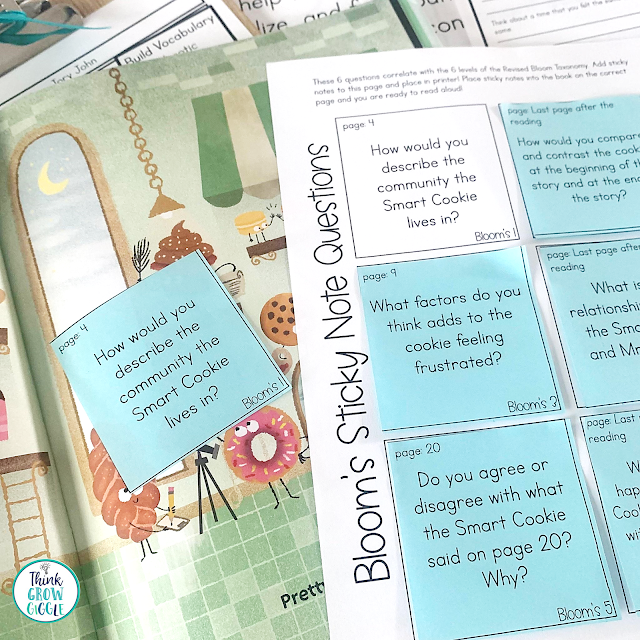
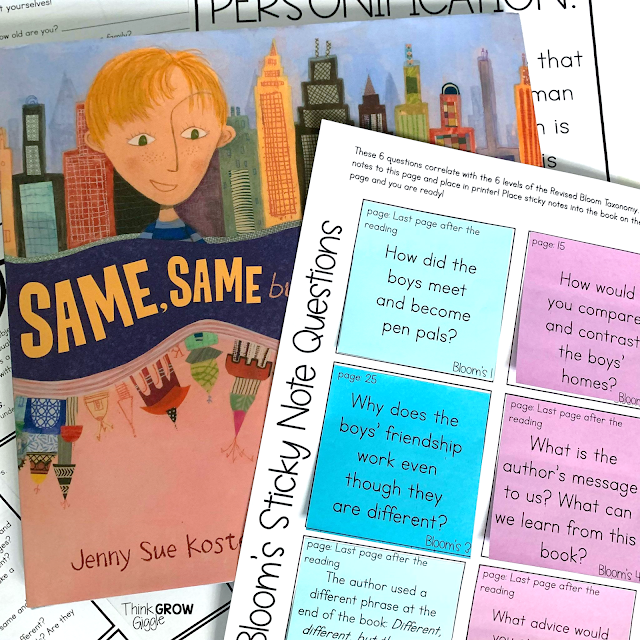
    When annotating or prepping questions ahead of time, I make sure to have questions for each level of Bloom's taxonomy. Using sticky notes is a great way to do this! Especially because you can use those sticky notes again by leaving them on the pages, ready to go for next year!


    prepping for interactive read aloud annotation questions


    5. Encourage Active Participation

    Using interactive read-alouds helps you to foster an interactive atmosphere by encouraging students to participate actively. As you read, frequently stop and ask the predetermined open-ended questions, ask for predictions, and invite students to share their thoughts, feelings, and connections to the text. Use prompts like, What do you think will happen next? or How would you have reacted in this situation?


    Giving students a specific read-aloud buddy or partner sets up the expectation of who they will be speaking to during the read-aloud. As time goes on, students build trust and relationships with their read-aloud buddies, making their conversations deeper and more meaningful.


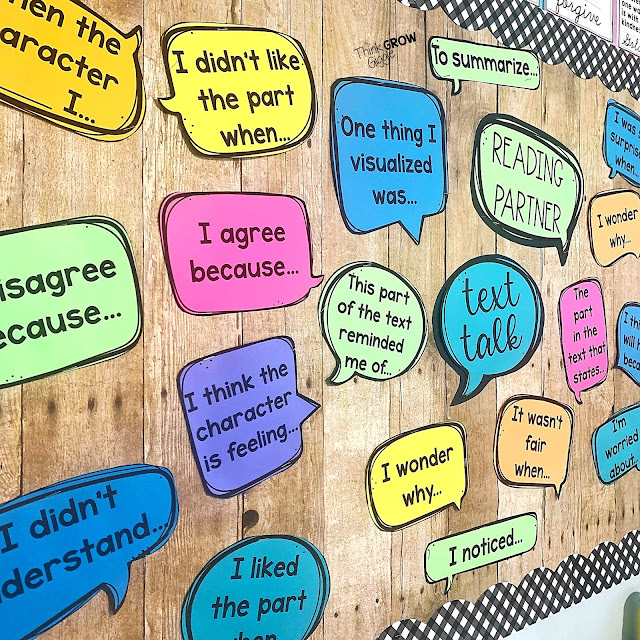
    Keep the conversation going between your students and their partners by creating an accountability bulletin board that provides appropriate discussion stems that can be used for any read-aloud! These work wonders in my classroom and truly help my students discuss literature in meaningful ways. 


    questions for students for Interactive Read Alouds


    6. Model Comprehension Strategies

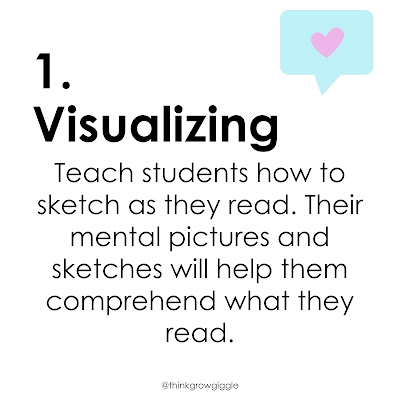
    While reading, model effective comprehension strategies such as making predictions, visualizing, making inferences, and asking questions. Show students how skilled readers think critically about the text and how these strategies enhance understanding. The more you show them, the more they will carry out those strategies as they read independently


    7. Build Classroom Community

    The best part of using interactive read alouds in your classroom is that it builds classroom community! 


    Kids, even our big kids, love to gather as a class and get cozy listening to the soothing sounds of their teacher reading aloud. Use your read-aloud time as a way to remind, practice, and instill the idea that your classroom is a safe and respectful space where students should feel comfortable sharing their thoughts and opinions. Emphasize that there are no wrong answers and that listening to and respecting others' viewpoints is essential during the discussion.  Reading aloud to the whole class provides a sense of togetherness and allows true community bonding to take place!


    Incorporating interactive read-alouds in upper elementary classrooms can transform reading sessions into thought provoking and enjoyable learning experiences, enhancing both literacy skills and a love for reading. While these tips will get you started, remember to tailor your approach to your students' specific needs and interests while keeping the conversation lively and engaging.


    Looking for more read-aloud companions?
    Look HERE!


    interactive read aloud book ideas for upper elementary


    Love these ideas? Pin to save them!


    7 Interactive Read Alouds Tips for Success


    affiliate links: “Think Grow Giggle is a participant in the Amazon Services LLC Associates Program, an affiliate advertising program designed to provide a means for sites to earn advertising fees by advertising and linking to Amazon.” (source: Section 5)


    signature

    4 Quick Tips to Engage Struggling Readers Upper Elementary

    4 Quick Tips to Engage Struggling Readers Upper Elementary


    Whether you have struggling readers or reluctant readers in your upper elementary classroom, these quick and easy-to-implement tips will help you to engage them and give them some strategies to build their comprehension toolkits.


    When it comes to building readers, there are five components that help readers: phonemic awareness, phonics, fluency, vocabulary, and comprehension. The ideas I am sharing below will help you to strengthen the comprehension of not just struggling readers, but all readers! 


    comprehension tip for struggling readers


    Teach your students how to make quick sketches of the important parts of the stories they read: character and their reactions to problems, the setting, and important events. These visualization sketches are especially helpful as students begin to read longer and more complex texts. You can simply take a piece of paper folded into fourths which would allow for 8 sketches from the book or chapter. After students create their quick sketch, have them jot down what is happening with quick notes and the page number.


    Want to try this out? Grab the FREE visualizing activity!


    reading ideas to help struggling readers


    When it comes to text length for struggling or reluctant readers, the shorter, the better! Using shorter texts helps students to feel like they accomplished a full reading activity in a short amount of time. When a text is too long, it is overwhelming for struggling readers. Using typed text is one way to use short text, but I like to use authentic reading material. That is why I use anthologies, poetry, and books of short stories. 


    Try these out to get started with short, authentic texts:


    build vocabulary with struggling readers


    Build vocabulary by focusing on important words before reading. Previewing important words will help students' fluency and comprehension. You can even use important context clues strategies when the words come up during the reading.  After reading, reinforce the words from the text with visualization sketches to really help students understand and use the new words, building their vocabulary.


    reading strategies that work


    This tip is a game-changer for struggling readers! Using previously read books makes a big impact on helping students grow as readers and to learn new reading strategies. When you use a book that you have previously read with your class for a new mini-lesson, students can focus on the new skill you are teaching instead of having to figure out and understand the book AND the new skill you are teaching. This tip truly helps alleviate stress and confusion in struggling readers who will feel overwhelmed with new books. Plus, this tip truly shows students that one book can be read many times, and each time they are read with a new lens! 


    When it comes to re-engaging struggling or reluctant readers, these tips will help! I have seen them work and ignite a love of reading in my own students, and I know that they will work for you and your students, too!


    You will also love reading:


    Check out my favorite reading strategy packs HERE.

    Like these inferring activities:


    Inferring Activities for 3rd 4th 5th Graders


    LOVE these ideas? Pin to save!


    4 Quick Tips to Engage Struggling Readers Upper Elementary


    affiliate links: “Think Grow Giggle is a participant in the Amazon Services LLC Associates Program, an affiliate advertising program designed to provide a means for sites to earn advertising fees by advertising and linking to Amazon.” (source: Section 5)


    signature
    Back to Top