Showing posts with label upper elementary reading. Show all posts

Teaching 6 Types of Syllables Rules to Upper Elementary

Teaching 6 types of Syllables Rules to Upper Elementary

No matter how many years you have been teaching, you are probably hearing a lot about the science of reading and explicit phonics instruction. One area of phonics instruction that you should include in your upper elementary classroom is teaching students to understand syllables


If you are like me, you touched on syllables, often clapping out syllables in words, but did not really understand why you were teaching it or it did not have a real place in your scope and sequence. I definitely spent many years teaching students to clap or hold their chin to feel syllable movement. Once I did that a few times, I figured I covered syllables, and that was that. Boy, was I wrong to stop there! 


Direct syllable instruction is just as important with upper elementary students as it is with our youngest beginning readers. Incorporating syllable instruction into your teaching equips students with essential skills that enhance their overall literacy development. It's a game-changer for upper elementary students!


Read this short, quick, and to-the-point blog post to learn all the benefits of bringing direct syllable instruction into your upper elementary classroom!


Why Should I Teach Syllable Rules to Students?


1. Improves Decoding Skills


6 types of syllables rules science of reading upper grades


Students who understand syllable rules can break down unfamiliar words into smaller, manageable parts. This makes it easier for them to decode and read new words, including multisyllabic words, accurately and fluently.


2. Enhances Spelling Abilities

Syllable knowledge gives students a framework for understanding how words are structured, which helps them spell words correctly and recognize patterns in word formation. Using the patterns that they learn helps them write more fluently, spending less time getting stuck on spelling.


3. Supports Reading Comprehension

When students can decode words more easily, they can focus more on comprehension. Recognizing syllable patterns allows for more fluent reading, leading to a better grasp of the text. Being able to decode quickly makes reading more enjoyable because students are spending less time decoding every other word.


4. Boosts Vocabulary Development


word of the week vocabulary activities science of reading


Knowing syllable rules helps students decode and understand more complex words, which expands their vocabulary. This is crucial as they encounter more challenging texts across different subjects in the upper grades.


💡Teacher Tip: Adding a word of the week activity into your daily routine is a great way to increase vocabulary, practice syllabication, and strengthen reading comprehension.


👉 Grade 3 Word of the Week Routine

👉 Grade 4 Word of the Week Routine

👉 Grade 5 Word of the Week Routine

👉 Grade 6 Word of the Week Routine


5. Promotes Confidence and Independence

Mastering syllable rules gives students the tools to approach new words on their own, boosting their confidence in reading and writing. This independence is key to lifelong learning and literacy skills.


Incorporating direct syllable instruction into your teaching practice is not just beneficial—it's transformative! By understanding and applying syllable rules, your students will improve their decoding skills, enhance their spelling abilities, and support their reading comprehension. Additionally, this knowledge will boost their vocabulary development and foster confidence and independence in their literacy journey. 


Whether you are a seasoned teacher or just starting out, focusing on syllables will equip your students with the tools they need for successful reading and writing. So, let's make syllable instruction a cornerstone of our classrooms, setting our students up for a lifetime of literacy success.


Looking for an easy-to-use poster display for syllable rules? Head HERE.


six syllable rule list and poster upper grades science of reading


                    LOVE these ideas? Pin to save!


Teaching 6 types of Syllables Rules to Upper Elementary


*affiliate links: “Think Grow Giggle is a participant in the Amazon Services LLC Associates Program, an affiliate advertising program designed to provide a means for sites to earn advertising fees by advertising and linking to Amazon.” (source: Section 5)


signature

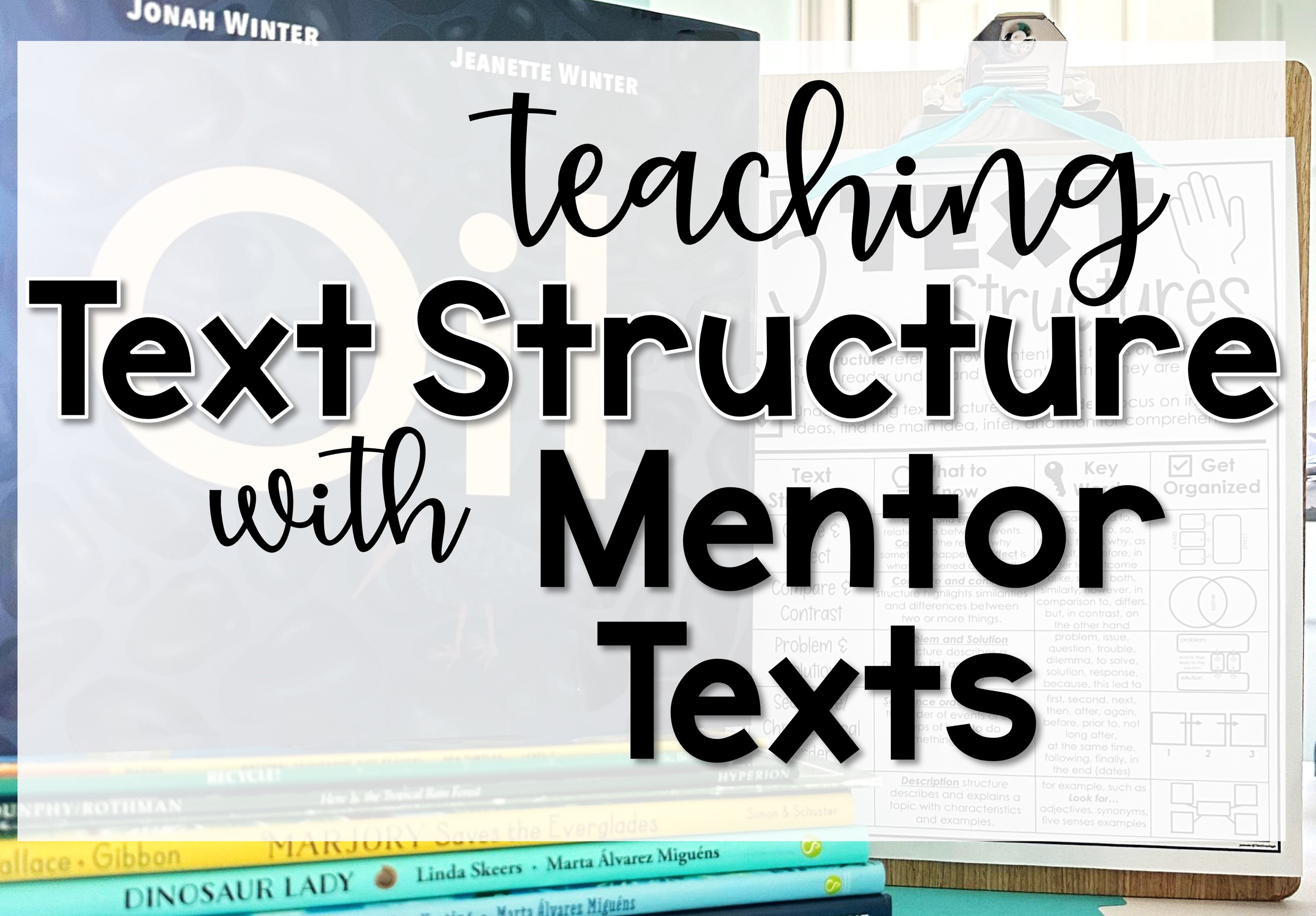
Text Structure Mentor Text Picture Books Upper Elementary

Text Structure Mentor Text Picture Books Upper Elementary


Teaching our students to differentiate between different text structures helps them better understand the nonfiction passages and materials they read, identify any bias in the texts they read, and determine the author's purpose.


One simple way to bring a variety of text structures into your classroom to kick off a text structure unit or to accompany your unit is to read and use picture books as text structure mentor texts. I love using picture books as text structure mentor texts because they provide the perfect visual for students for each text structure, and they are easy to refer back to throughout the unit...and all year long!


Just getting started with text structure?

Text structure refers to how the content of a nonfiction reading passage or book is organized. Understanding the different text structures helps our students focus on important ideas, find the main idea, infer, and monitor comprehension. 


Five nonfiction text structures to practice with students...

  • cause and effect
  • sequence
  • description
  • compare and contrast
  • problem and solution


I have compiled my favorite picture books to use when teaching text structure to upper elementary students. Check this list out, add them to your text structure lesson plans, and watch your students' understanding skyrocket!


👉Don't miss out on the FREE text structure starter kit at the bottom of this post!


signature

Teaching Text Structure: A Simple Routine for Upper Elementary

As upper elementary teachers, we are always looking for ways to help our students increase their reading comprehension skills, especially when it comes to reading nonfiction informational texts. We can help our students better understand the nonfiction passages and materials they read by helping them understand and differentiate between different text structures. 


👉 5 Text Structures Upper Elementary Students Face as Readers:

  • cause and effect
  • sequence
  • description
  • compare and contrast
  • problem and solution


Text structure refers to how content in a text is organized to help readers understand the content they are reading. Understanding the five different text structures helps readers dive deep into the text to understand important ideas, identify the main idea, infer, and monitor comprehension.


Research tells us that understanding text structure is a guiding force for comprehension and guides students in understanding how the information is laid out, ultimately understanding the purpose of the piece. Teaching students how to differentiate between text structures empowers them with the tools to comprehend, analyze, and communicate the information they are reading effectively. It also helps them identify bias as they read more complex nonfiction texts.


How to teach text structure to upper elementary students...

1. Explain, Teach, and Give Visuals

When it comes to getting started, be sure to explain these three things: why each text structure is used, keywords that help identify each text structure, and showing/modeling with coordinating text structure graphic organizers. Spend time explaining the differences between each text structure. Create anchor charts that show these three pieces of information. Grab a free ancho chart at the bottom of this post to get started!


2. Read a Picture Book to Bring Text Structure to Life

A great way to show students different text structures is to read different picture books, at least one from each text structure. This is a great way to bring in a visual and a real-world connection to this tricky concept. Don't worry; you do not have to scour the internet to find the best text structure picture books for upper elementary, I already have a list made for you broken down by text structure!

👉 Read about my favorite text structure picture books HERE.


3. Get Into a Routine

Provide students multiple opportunities and exposure to different text structures to help them build their comprehension toolbox for nonfiction texts. One way you can do that is through daily practice. I have created a daily routine that provides students with many opportunities to read a variety of informational topics written in different text structures. It is simple to use and of high interest to students! Plus it goes beyond just practicing text structure, it also provides vocabulary, critical thinking, and written response practice.


By reading and working with all five text structures on the same topic, students can identify the different characteristics of each structure more simply. This format takes a tricky concept and makes it manageable for our students, especially when they are just learning about text structures.


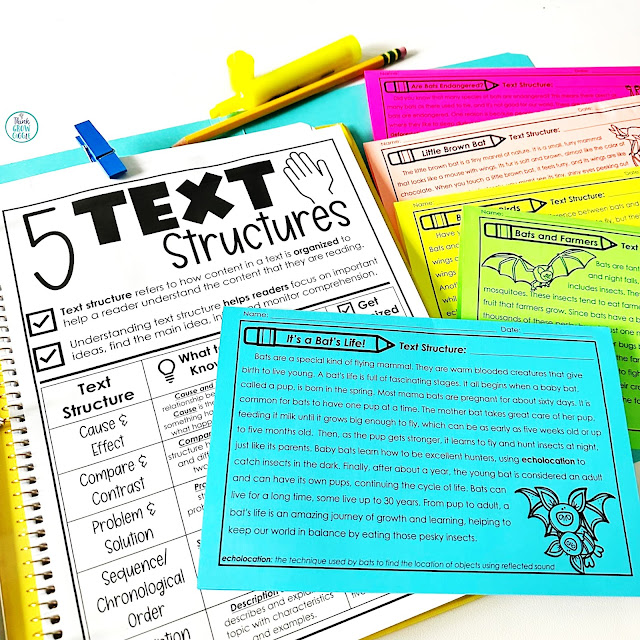
This routine uses the Text Structure Comprehension Foldables. Simply print back to back and fold. Everything you need to teach and practice text structure daily is included.


Take a look at how to use these foldables to teach text structure for upper elementary students!


Try this schedule to add to your morning work routine to provide daily opportunities for your students to engage with different text structures.


If completing these text structure activities each morning is not an option, you can add these Text Structure Foldables to a center, use them during small group instruction, or sprinkle them into any time you have. Since these packs have five different passages in five different text structures, all on the same topic, students can truly differentiate between the different structures. 


Get started with teaching text structure with this FREE text structure starter kit!


The more time students spend reflecting on the text structure of nonfiction reading materials, the more they can identify the text structure in their own independent and real-world reading. By understanding the text structure, students are better able to pull out the important information, make inferences, and understand the topic at a deeper level. So why not give this routine a try today!? 


You will also love to read:

Using Reading Strategies to Help Readers Grow

Teaching Students Summarize

Quick Tip to Differentiate Summarizing Instruction 

Must Try Inferencing Lesson for Upper Elementary


Check out these Text Structure activities HERE

Like these Text Structure Foldables to just add to your daily routine!


LOVE these ideas? Pin to save!


*affiliate links: “Think Grow Giggle is a participant in the Amazon Services LLC Associates Program, an affiliate advertising program designed to provide a means for sites to earn advertising fees by advertising and linking to Amazon.” (source: Section 5)


signature

Teaching Text Structure Upper Elementary

Teaching Text Structure Upper Elementary


When it comes to reading nonfiction material, students can never get enough practice! While many students enjoy reading nonfiction and informational articles, they often focus on the cool or new facts they learn. While that is a great way to get students engaged and excited to read nonfiction, we must ensure our upper elementary students are diving deep into the structure of informational text to help build their comprehension skills.


What is Text Structure?

Text structures refer to the way authors organize information in a text. Mastery of these structures allows students to comprehend and analyze nonfiction texts more effectively and deeply. The five key text structures our upper elementary students face are cause and effect, description, sequence, compare and contrast, and problem-solution.

Understanding text structures matters! Research shows that understanding text structure is a guiding force for comprehension. According to findings from educational psychologists (e.g., Pressley & Afflerbach, 1995), explicit instruction on text structure significantly enhances students' ability to grasp the relationships between ideas and the overall comprehension of the text. It is like providing students with a roadmap showing them the way to understand the nonfiction text that they are reading.


Why Teach Text Structure?

There are so many benefits that come along with understanding text structure as readers. When you engage your students in nonfiction studies focused on understanding text structure, you will see...


Enhanced comprehension - Understanding text structures helps students make sense of information by recognizing patterns and relationships between ideas.

Improved critical thinking -  Analyzing different text structures encourages critical thinking as students learn to evaluate and compare information in various ways.

✅ Increase in communication skills - Mastery of text structures supports students in expressing ideas clearly, both in writing and verbal communication.

Sharpened skills for success -  Proficiency in text structure is a foundational skill that prepares students for more complex reading and writing tasks in higher grades.

Real-world Application -  Recognizing text structures is not just an academic skill; it is a practical skill that students will use in different aspects of their lives, from reading news articles to understanding procedural manuals.


How to Teach Text Structure

Teaching nonfiction text structures is an important step in developing strong reading comprehension skills in upper elementary students. Try these go-to ideas for teaching text structure in your upper elementary classroom!


1.  Teach Each Text Structure in Isolation

Use anchor charts and a slideshow to help teach this tricky concept! Begin by introducing each text structure separately. This ensures that students grasp the unique characteristics of each before moving on to more complex tasks and critical thinking about text s. Three things to make sure that you include in your anchor charts and introductions are:


✅Why each text structure is used

✅ Keywords that signal each text structure

✅ A visual {graphic organizer} to connect to each text structure


Teaching Text Structure Anchor  Charts for Teachers


Grab the FREE Text Structure Starter Kit right here!


💡Teacher tip: Use pre-written passages on the same topic, each with a different text structure! I love to use these that are focused on natural disasters!


The passages hold the students' attention and clearly show how each text structure differs. I use a slide show to share the passages, and students determine which text structure it is. Once we agree, we head to the next slide to find the answer reveal and work together to prove it by completing the graphic organizer on the next slide.


love that this slideshow not only helps my teaching and introduction of text structures but is also a great tool to refer back to throughout the year and before testing season begins!


Teaching Text Structure Upper Elementary and middle school


2. Utilize Graphic Organizers as Readers and Writers

Using visual aids like graphic organizers is a great way to help students organize information and visually differentiate between the different text structures. These tools provide a clear visual representation of how information is structured in a text and helps them collect important information. When students complete the graphic organizer about a specific text, they are collecting information that will help them prove which text structure they are reading. Doing this helps them better communicate with others about their reading and convey the author's purpose and message.


Teaching Text Structure Graphic Organizers


3. Read Multiple Texts on the Same Topic

To deepen understanding, have students read five short texts on the same topic, each utilizing a different text structure. This activity enables them to compare and contrast how information is presented and identify the distinctive features of each structure. Students will collect a lot of information about one topic and show students that the longer informational books and passages they read can have more than one text structure within them.


💡Teacher Tip: Go one step further and have students respond to a prompt and write about what they learned about the given topic to synthesize their learning!


Teaching Text Structure Reading Passages Nonfiction


4. Real-World Sorting Activity

This is a fun way to kick off a text structure unit or wrap one up


Encourage students to collect reading materials from the real world, such as newspaper articles, brochures, directions, ads, informational pamphlets, and really anything! I always have a stash ready to show students how to sort the reading material. I use hula hoops to sort each text structure, but you can use chart paper or just a table to group the reading materials. The concept is simple, just label each hula hoop with each text structure. Then, share reading material like directions to a game. Have students decide which text structure it was written in through discussion and debate. Then, select a student to put the directions read into the matching hula hoop! This hands-on activity connects classroom learning with real-world reading, and the kids love it!


5. Create Collaborative Projects

Foster collaborative learning by assigning projects where students work together to create a presentation or report using a specific text structure. This not only reinforces individual understanding but also promotes teamwork and communication skills. We have done collaborative class projects for text structure on one topic, such as Earth Day. Each group was assigned a text structure. Then, they worked together to develop a presentation for the class on an Earth Day-related topic in the assigned structure. 


Here is what the kids came up with: 

  • Compare and Contrast: Solar Energy VS Electricity
  • Sequence Order: The Process of Recycling
  • Description: Enjoy Visiting a National Park on Earth Day
  • Problem and Solution: Reduce, Reuse, Recycle
  • Cause and Effect: Save the Mountain Gorillas from Extinction


Teaching nonfiction text structures is a fundamental step in developing strong reading and comprehension skills in upper elementary students. By focusing on cause and effect, description, sequence, compare and contrast, and problem-solution structures, we can help strengthen our students' understanding of informational texts. Implementing these tips will make the learning process engaging and empower students with essential skills for academic and real-world success. Plus, research shows that understanding text structure helps students succeed as readers of nonfiction texts, so get started with some of these ideas today!


You will also love to read:

Using Reading Strategies to Help Readers Grow

Nonfiction Teaching Ideas and Strategies to Hook Upper Elementary Readers

Must Try Inferencing Lesson for Upper Elementary


Check out my favorite Text Structure activities HERE

Like these Text Structure Foldables to just add to your daily routine!


Teaching Nonfiction Text Structure 3rd 4th 5th Grade


LOVE these ideas? Pin to save!


Teaching Text Structure ideas for Teachers


*affiliate links: “Think Grow Giggle is a participant in the Amazon Services LLC Associates Program, an affiliate advertising program designed to provide a means for sites to earn advertising fees by advertising and linking to Amazon.” (source: Section 5)


signature

Quick Tip to Strengthen Reading Comprehension Strategies for Upper Elementary

Quick Tip to Strengthen Reading Comprehension in the Upper Elementary Classroom

Multiple-choice questions are not my thing.


Before Connecticut shifted to SBAC testing, teachers wrote the yearly state exams. I was on a team that wrote 3rd-grade reading tests. This included the passages and the questions. So much professional development and non-disclosure agreements went into the multi-day training we were provided to be certified to write those exams. 

The entire process was extremely eye-opening and helped me learn a lot about what makes a good and fair assessment for students. After all that training, I stopped using multiple-choice questions to assess students in my classroom.

There is a time and place for multiple choice questions. But on a daily basis, when we read stories and passages, I do not use multiple-choice questions as a form of assessment. 

If you have any of the reading packs from my shop, you know that there are no multiple-choice questions. In fact, I often get asked why there are no multiple-choice questions...well, it is just not something I put a lot of value into when assessing students.

Multiple choice for test prep? Absolutely! I do use multiple choice questions for test prep so that students know good test-taking strategies, but I do not like to use them with daily reading activities. There are better options to use as teachers to get a pulse of students' understanding of what was read. The more you say no to multiple-choice, and yes to open ended tasks you give students as they read, the less test prep you will need to do! This is because the students have learned how to think as they read and develop good reading habits.


active reading tip for 3rd 4th 5th graders


I do not like using multiple-choice questions because...

👎 they try to measure too many objectives or not the right objectives in each question stem
👎 negatives in the question stem and "funny" choice options confuse students
👎 it is a guessing game that does not tell me if students know the correct answer or guessed the correct answer

Instead, I use...

👍 specific tasks that have students highlighting the answer in the text
👍 short answer and open-ended response questions that value text evidence and student-reflective opinions
👍 classroom discussions around multiple-choice style questions without the choices. 


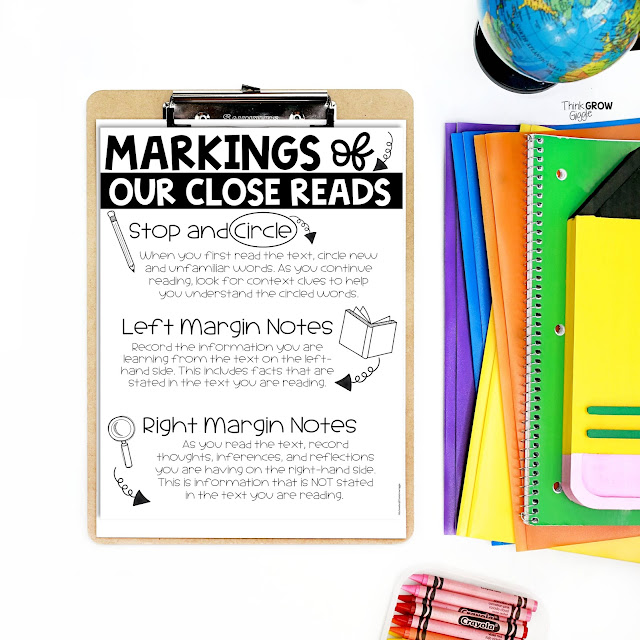
reading annotation guide for 3rd 4th 5th graders


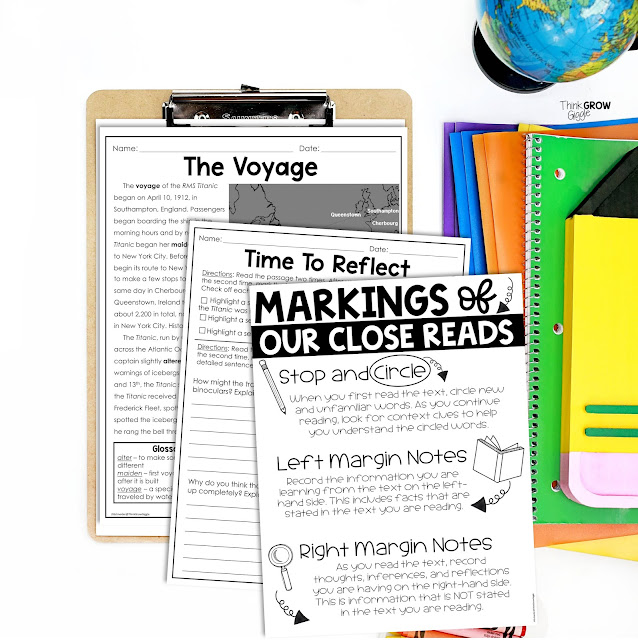
If you want to begin to shift away from using multiple choice questions, try these simple annotation tips to get started. These tips can be used with any text and no fancy tools or resources are needed. 

Simply write these annotation tasks at the board and have students work!

Circle a new vocabulary word you learned and write your own meaning in the margin.
Underline a part of the text you found interesting and want to share with the class. 
Highlight a part of the text that made you ask a question. Write the question in the margin and a possible answer.

By encouraging students to be active readers who engage with the materials that they read rather than have them focus on picking (or guessing) an answer in a multiple choice question, their reading comprehension will strengthen. 

You can get started today using ANY book, poem, or passage that you have on hand. Simply teach students how to annotate using the suggestions above or your own, and watch them become more engaged and develop their comprehension.

Grab the FREE annotation chart and reading passage below to get started!


Looking for more reading comprehension passages and activities? Look HERE!

active reading tip using nonfiction reading passages


             Love these ideas? Pin to save them!

Quick Tip to Strengthen Reading Comprehension in the Upper Elementary Classroom


signature

7 Interactive Read Aloud Tips for Success with Upper Elementary

7 Interactive Read Alouds Tips for Success


Thinking about getting started with interactive read alouds in your classroom? They are a must! Interactive read-alouds are a valuable way for teachers to engage students in meaningful discussions and promote comprehension skills.


So what is an interactive read-aloud?


An interactive read-aloud is a dynamic and purposeful reading activity that engages students in high-quality literature. During an interactive read-aloud, the students are actively involved in the reading process. This approach goes beyond a simple read-aloud; it encourages students to think critically, ask questions, make connections, and discuss the content. Pausing at strategic points to pose discussion questions, explore vocabulary, and model reading comprehension strategies is an important part of the interactive read-aloud experience. 


I love using interactive read-alouds because they promote a deeper understanding of the text, provide models for students to engage with their own texts as they independently read, and foster a love of reading. 


Want to get started using interactive read-alouds in YOUR upper elementary classroom? These seven must-try tips will help you get started!


1. Choose Age-Appropriate and Engaging Text

This first step is so important! Be sure to select books or texts that are appropriate for your students' age and reading level and captivating and relevant to their interests. Engaging texts are more likely to hold their attention and spark meaningful discussions.

Picture Books and chapter books both make amazing interactive read-alouds for students. You can select fiction, nonfiction, and even poetry picture books. Since picture books are much shorter than chapter books, they are my go-to. 


Not sure where to find appropriate picture books for upper elementary? I have some lists of favorites that you and your students will love!


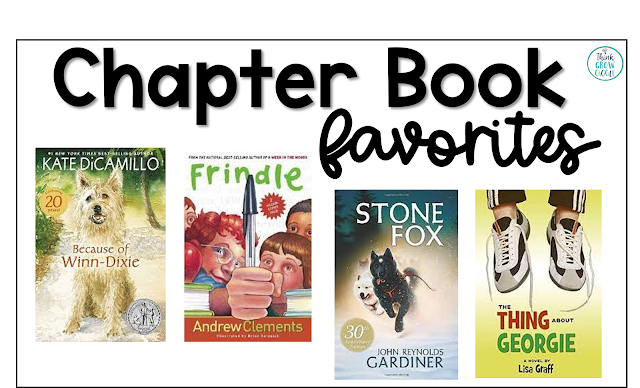
 ➡️Rather start interactive read alouds with a chapter book? These chapter books are always class favorites!

    chapter books for upper elementary read alouds


    2. Use the Voices and Make the Sound Effects

    The best part about the read alouds are different voices and sound effects that you can use to not only hook students, but to show them what fluent reading sounds like! I love to have a box of props next to my read aloud chair that I can use to help me as I read. Items I include are bells, clapping hands, and a rain shaker or shaker filled with rice. But, you do not need anything fancy! Just your voice, hands, and feet do the trick to bringing the read aloud to life. And yes, if there are silly voices and singing going on in the story, do them! You will make your students smile and love reading.


    3. Revisit the Book Again and Again

    Yes, I am going to say it again! Picture books should be read again and again and again!

    We read picture books in my classroom multiple times, each time with a different purpose. It does NOT get boring. The kids know we are rereading it with a different lens each time, so their thoughts and discussions change. Plus, since they already know the story, their reflections are more meaningful and are often filled with connections.


    When you reread previously read picture books, you help students:

    • focus on the skill or objective of your read aloud lesson instead of trying to comprehend a new story AND master a new skill
    • understand that good readers reread books and texts over and over to learn something new, better understand what was read, or just for enjoyment
    • build confidence in their reading comprehension and retell/summarizing skills


    ➡️See how I use one read-aloud picture book in many different ways right HERE.


    👉 Grab this FREE guide with my favorite picture books for interactive read- alouds! 

    It includes several different topics that you can use for each book, allowing you to read and re-read each book over and over again.

    free guide for interactive read aloud book suggestions


    4. Plan Ahead and Annotate the Text

    Before the read-aloud, read the text in advance and annotate it with key points, questions, and discussion prompts. This will help you guide the conversation and highlight important themes, vocabulary, or literary devices that you want to focus on.


    Prior to reading aloud, I also create an interactive anchor chart that will be used during the reading. I do not always do this for all read-alouds. However, I have the chart ready to go for more challenging concepts that I will bring up and teach during and after the read-aloud. This works perfectly for topics like making predictions, making inferences, and understanding character traits.


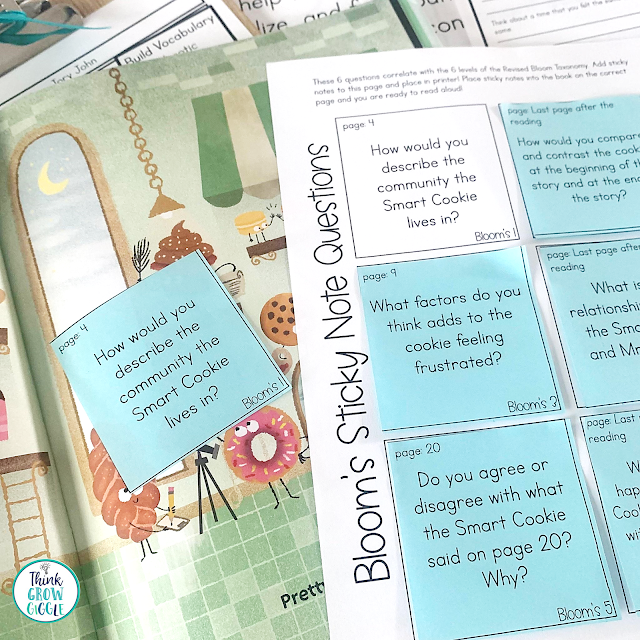
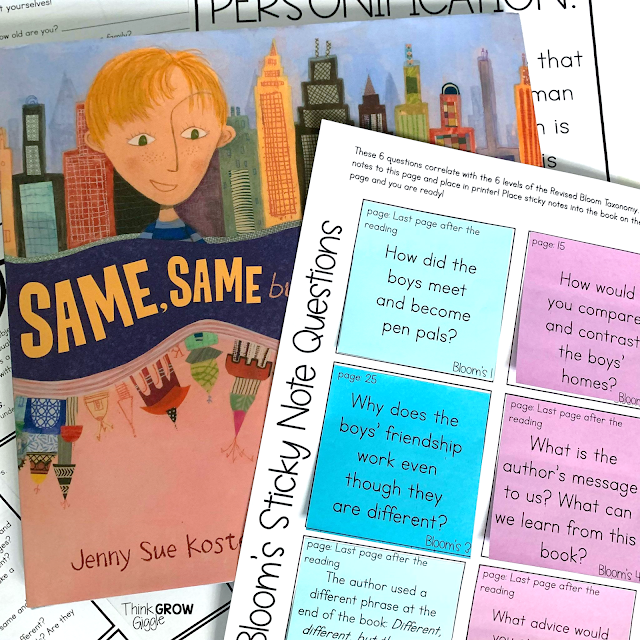
    When annotating or prepping questions ahead of time, I make sure to have questions for each level of Bloom's taxonomy. Using sticky notes is a great way to do this! Especially because you can use those sticky notes again by leaving them on the pages, ready to go for next year!


    prepping for interactive read aloud annotation questions


    5. Encourage Active Participation

    Using interactive read-alouds helps you to foster an interactive atmosphere by encouraging students to participate actively. As you read, frequently stop and ask the predetermined open-ended questions, ask for predictions, and invite students to share their thoughts, feelings, and connections to the text. Use prompts like, What do you think will happen next? or How would you have reacted in this situation?


    Giving students a specific read-aloud buddy or partner sets up the expectation of who they will be speaking to during the read-aloud. As time goes on, students build trust and relationships with their read-aloud buddies, making their conversations deeper and more meaningful.


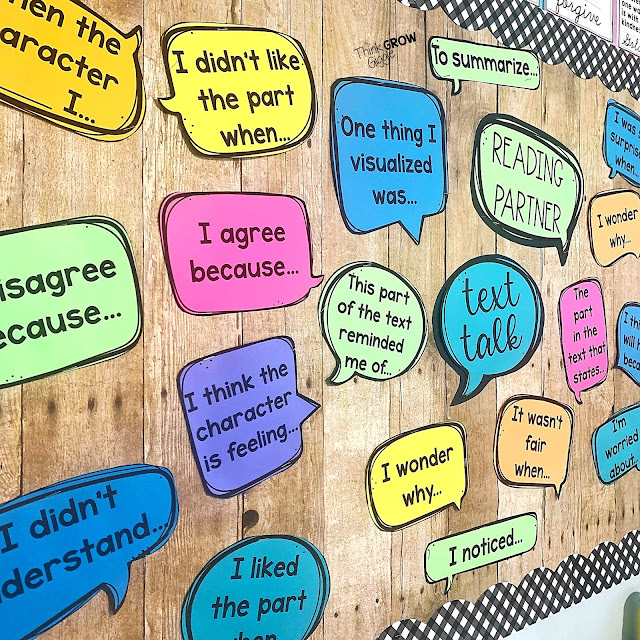
    Keep the conversation going between your students and their partners by creating an accountability bulletin board that provides appropriate discussion stems that can be used for any read-aloud! These work wonders in my classroom and truly help my students discuss literature in meaningful ways. 


    questions for students for Interactive Read Alouds


    6. Model Comprehension Strategies

    While reading, model effective comprehension strategies such as making predictions, visualizing, making inferences, and asking questions. Show students how skilled readers think critically about the text and how these strategies enhance understanding. The more you show them, the more they will carry out those strategies as they read independently


    7. Build Classroom Community

    The best part of using interactive read alouds in your classroom is that it builds classroom community! 


    Kids, even our big kids, love to gather as a class and get cozy listening to the soothing sounds of their teacher reading aloud. Use your read-aloud time as a way to remind, practice, and instill the idea that your classroom is a safe and respectful space where students should feel comfortable sharing their thoughts and opinions. Emphasize that there are no wrong answers and that listening to and respecting others' viewpoints is essential during the discussion.  Reading aloud to the whole class provides a sense of togetherness and allows true community bonding to take place!


    Incorporating interactive read-alouds in upper elementary classrooms can transform reading sessions into thought provoking and enjoyable learning experiences, enhancing both literacy skills and a love for reading. While these tips will get you started, remember to tailor your approach to your students' specific needs and interests while keeping the conversation lively and engaging.


    Looking for more read-aloud companions?
    Look HERE!


    interactive read aloud book ideas for upper elementary


    Love these ideas? Pin to save them!


    7 Interactive Read Alouds Tips for Success


    affiliate links: “Think Grow Giggle is a participant in the Amazon Services LLC Associates Program, an affiliate advertising program designed to provide a means for sites to earn advertising fees by advertising and linking to Amazon.” (source: Section 5)


    signature
    Back to Top