Showing posts with label picture books upper elementary. Show all posts

6 Benefits of Interactive Read Alouds with Upper Elementary

6 Benefits of Using Interactive Read Alouds in Upper Elementary Classroom


If you have followed me for any amount of time, you know that reading picture books with my upper elementary students is totally my thing! There is just something about gathering together and listening to a powerful story told through rich vocabulary and beautiful illustrations that truly makes the day brighter!


Interactive Read Alouds (IRAs) are a powerful instructional strategy that can bring literature to life and engage students in meaningful discussions. While commonly used in early elementary classrooms, IRAs offer numerous benefits when implemented in upper elementary classrooms. 


I know you will love using Interactive Read Alouds with your students as much as I do, so grab the FREE pack below!



6 Benefits of Using Interactive Read Alouds in Upper Elementary Classroom


Now read on to find out the top 6 benefits of using interactive read-alouds with students in your upper elementary classroom!


1. Enhanced Comprehension Skills

Interactive Read Alouds provide a unique opportunity for teachers to model and reinforce essential comprehension skills. By strategically pausing during the reading to ask open-ended questions, make predictions, or analyze characters' motivations and feelings, teachers can guide students toward a deeper understanding of the text. These discussions allow students to make connections, infer meaning, and develop critical thinking skills, leading to improved comprehension and analytical abilities.


2. Increased Vocabulary Development

One of the main benefits of interactive read-aloud is the exposure to rich and diverse vocabulary. Upper elementary students are at a crucial stage in their language development, and by reading aloud high-quality texts, YOU can expose them to sophisticated vocabulary beyond their current reading level. Through discussions and context clues provided during IRAs, students can expand their word knowledge and improve their overall language skills, which will significantly benefit their reading and writing abilities. The more they listen to books with rich language, the more those words trickle down into their writing pieces!
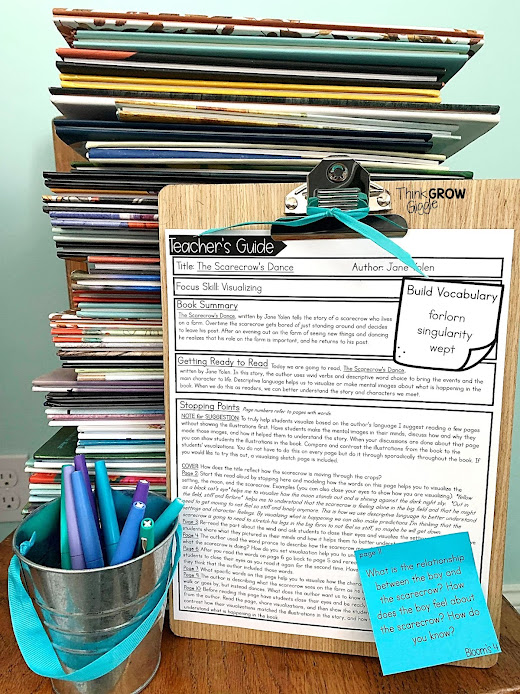


IRA tips and strategies 3rd grade 4th grade 5th grade


3. Fostering a Love for Reading

Interactive read-alouds create a positive reading experience for students and help foster a love for literature. By selecting captivating texts and utilizing engaging reading strategies, you can captivate students' interest and make reading something that your students look forward to doing each day. It can help students build relationships with the characters that they meet, helping them realize that they are not along in many of the thoughts and feelings that they experience themselves.  Sharing their enthusiasm for books during interactive read-alouds can inspire students to explore new genres, authors, and topics independently, cultivating a lifelong love for reading.


4. Development of Listening and Speaking Skills

Interactive read-alouds provide an ideal platform for students to develop their listening and speaking skills, which is so important! By actively participating in discussions, asking and answering questions, and engaging in dialogue with peers, students learn to express their thoughts and opinions effectively and appropriately. They learn how to engage in one on one discussions with a reading partner and learn how to build off of someone else's ideas. This process enhances their oral communication skills, encourages active listening, and promotes respectful and thoughtful interactions within the classroom community.


5. Save Valuable Classroom Instructional Time

We are always looking for more time in our teaching day, am I right? If you are like me, you can't wait to pull out a new picture book and share it with your students! But...instead of always reading a new picture book, reread a previously read picture book again and again, each time revisiting the book with a new lens: read as readers, read as writers, and read as word-smiths.


When you reread previously read picture books, you help students:

  • focus on the skill or objective of your lesson instead of trying to comprehend a new story AND master a new skill
  • understand that good readers reread books and texts over and over to learn something new, better understand what was read, or just for enjoyment
  • build confidence in their reading comprehension and retell/summarizing skills


Revisiting books is not just fun and beneficial for students; it saves YOU classroom time!


IRA for older kids


6. Social-Emotional Growth

Literature often provides a gateway to explore social and emotional themes, and interactive read-alouds can serve as a valuable tool for addressing these topics. By selecting books that depict diverse characters and tackle relevant issues, you can initiate meaningful conversations about empathy, kindness, resilience, friendship, and so much more. These discussions not only promote social-emotional growth but also create a safe and inclusive classroom environment where students feel understood, valued, and connected. We all want more time in our teaching day to get in social emotional topics, and picture books truly help us bring more than just reading into our day.


Not sure what books to use with your upper elementary students? Grab this FREE list of my favorites with the skills that we focus on for each book! 


Interactive read-alouds have the power to transform upper elementary classrooms by fostering comprehension skills, expanding vocabulary, nurturing a love for reading, developing communication abilities, and promoting social-emotional growth. By implementing this instructional strategy effectively, teachers can engage students in meaningful conversations, create memorable reading experiences, and equip them with the necessary skills to become lifelong learners. As educators, let us embrace the power of interactive read-alouds to inspire, motivate, and empower our upper elementary students on their educational journey.


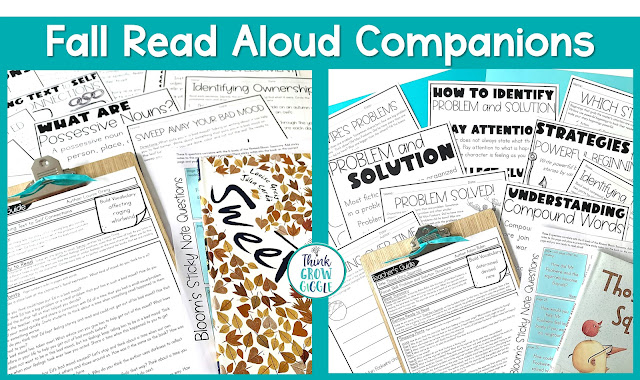
Looking for more read-aloud companions?
Look HERE!
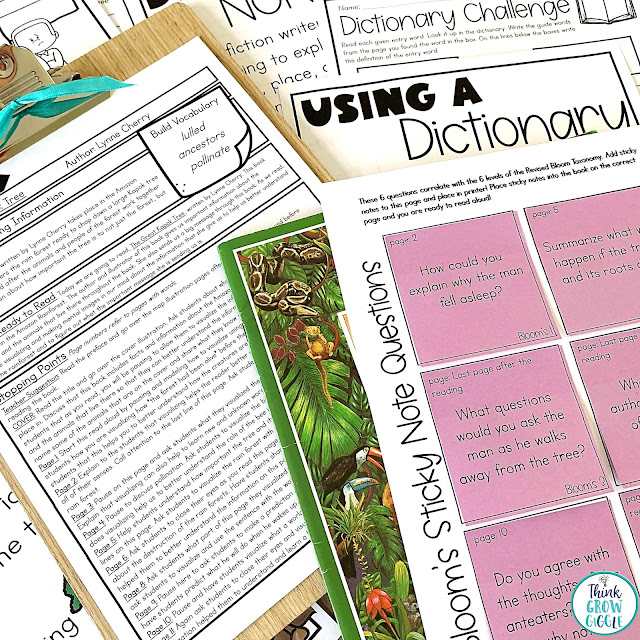
IRA teaching tips and strategies


You will love reading these related articles:


                      Love these ideas? Pin to save them!
IRA teacher tips for effective use


affiliate links: “Think Grow Giggle is a participant in the Amazon Services LLC Associates Program, an affiliate advertising program designed to provide a means for sites to earn advertising fees by advertising and linking to Amazon.” (source: Section 5)


signature

3 Tips for Teaching Character Traits Analysis Upper Elementary

3 Tips for Teaching Character Traits Upper Elementary

As the school year progresses and your students begin to read more challenging, complex chapter books, helping them to understand the characters they meet becomes a critical part of their reading comprehension.


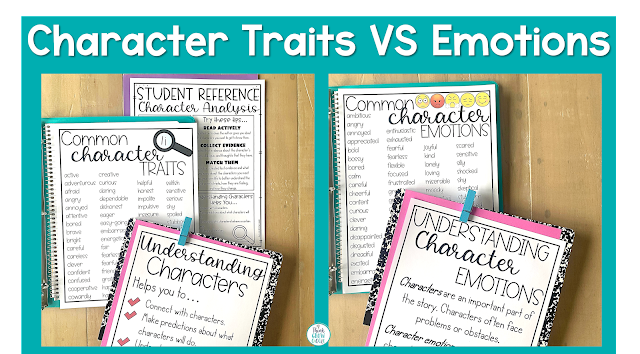
Students must understand the characters that they meet to help them better understand the story and theme of the book. I want my students to truly understand character traits and emotions, be able to differentiate between the two, and how those traits and emotions play a part in the choices that the characters make in the story.


That is a whole lot for young readers! But, without truly understanding the characters, the students will not be able to predict, connect, or infer as they read.


That is why character development is an important unit that I love to teach each year. It is not an easy topic to dive into with upper elementary students, but I can help! Try these tips to make your next character development unit that you teach a big success!


1. Differentiate Between Character Traits and Character Emotions


character emotions lessons for 3rd 4th 5th graders


This is such an important step! Students must learn the difference between a character trait and a character's feelings and emotions. Traits and emotions are very different. We discuss how character traits reflect the character's personality and emotions are how the character is feeling. While character traits can change throughout a story, the feelings and emotions of characters change quite frequently.


The first lesson that I do when it comes to differentiating between character traits and character emotions is with the book The Raft by Jim LaMarche. This story tells about a young boy who is upset that he has to spend the summer with his grandmother. By the end of the story, we learn how his feelings and emotions have changed, but his character traits have stayed the same. I love this book and highly recommend it as a read-aloud during your character unit.


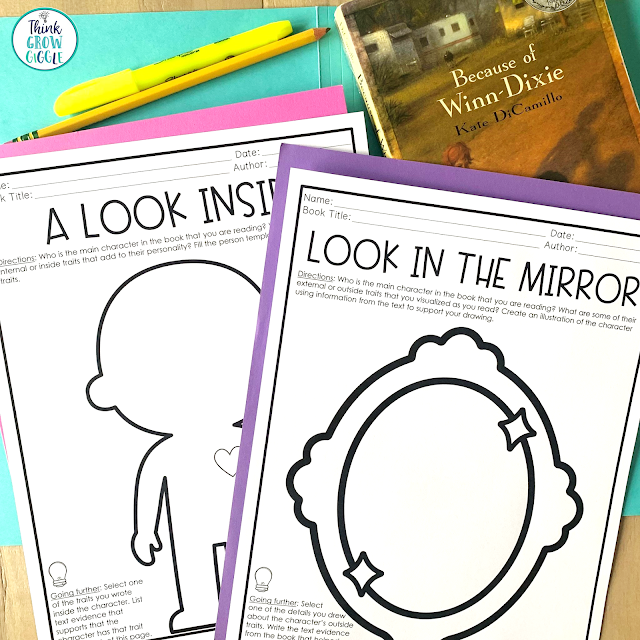
Don't forget to decide on which term you will use when discussing character traits: outside or external traits to discuss a character's physical traits and inside or internal to discuss personality traits.


Grab the free activities to start your first lesson about character traits VS character emotions!


2. Practice Character Reflections with Note-Taking


3 Tips for Teaching Character Traits Analysis Upper Elementary


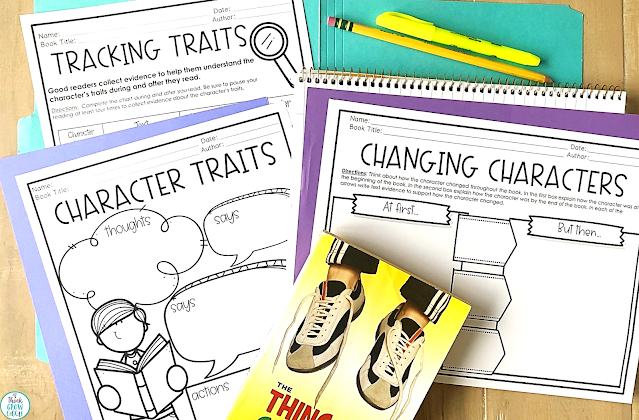
Hold students accountable for practicing character note-taking with graphic organizers that help them focus on a specific character reflection task and strengthen their character understanding skills


We use character graphic organizers that focus on:

  • what the character thinks
  • what the character says
  • what the character does


These three prompts help the students to reflect on what information the author gives about the character and then use the information to infer a character trait. When we first begin our character unit, we work as a class to brainstorm different character traits and emotions that characters may be and feel. We leave an anchor chart up in the classroom for easy access, but I also give students a small size of the character trait list for their reading notebooks.


The first lesson that I do with character note-taking is always done with a picture that I have previously read. I love to use previously read books for a new mini-lesson because it allows the students to focus on the skill at hand with a book that they already heard, discussed, and understand. It allows them to be much more successful with the character analysis objective at hand. You can find any book that you have already read to your students to try this out. I love to reread The Curious Garden for this activity.


3. Discuss How Characters Change


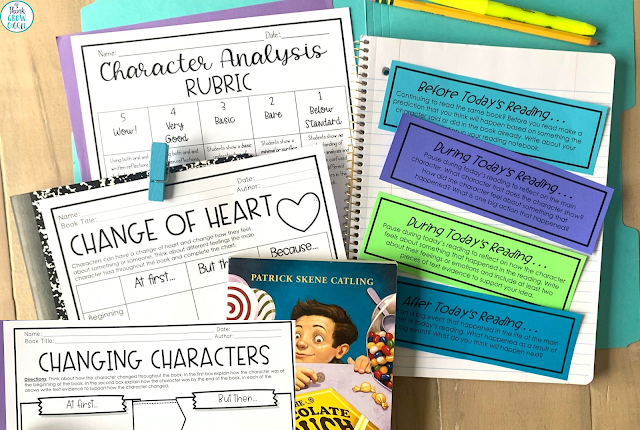
changing characters activities organizers 3rd 4th 5th grade


Focusing on how characters change truly helps the students better understand the character and the story. It allows them to make better predictions and inferences as they read, too. 


To practice this, we collect evidence to show how a character felt at the beginning of the book, and how they felt at the end of the book. Collecting text evidence is an important step to prove how the character has changed. I love to tie in visualizing during this activity. Students create sketches to show the different emotions and feelings of the character throughout the story. We revisit The Raft by Jim LaMarche to discuss changing characters. Another favorite to discuss changing characters is Enemy Pie by Derek Munson.


Teacher tip: I love to give students specific before, during, and after reading tasks that focus in on gathering text evidence about how characters change. This helps students focus and read with purpose.


BONUS TIP

Before having kids, head out to read their own book and dive into character analysis without you, read character-focused short stories. By choosing stories designed for character analysis, you will be setting your students up for success. These passages focus on character development, traits, and theme/life lesson, making it easy to see character traits and how they change.


Our Character Understanding unit lasts weeks. By the time it ends, the kids are bummed. They love reading and reflecting on all of the characters that they meet while reading independently and those we met during our read-aloud time. I know that the time I invest in helping students to critically analyze a character is well worth it! It not only helps them understand the characters that they meet, but also understand the overall story and plot, theme, and make connections as readers.


Grab everything you need to teach a
Character Study Unit right here:

3 Tips for Teaching Character Traits Analysis Upper Elementary


You will also love reading:


Check out my favorite character activities HERE.

character understanding and analysis activities


LOVE these ideas? Pin to save!

3 Tips to Get Started with Teaching Character Traits Upper Elementary


*affiliate links: “Think Grow Giggle is a participant in the Amazon Services LLC Associates Program, an affiliate advertising program designed to provide a means for sites to earn advertising fees by advertising and linking to Amazon.” (source: Section 5)


signature

3 Ways to Use Those Darn Squirrels Read Aloud


3 Ways to Use Those Darn Squirrels Read Aloud

Nothing says welcome fall like a read-aloud of Those Darn Squirrels!  

Hands down, this is my favorite read-aloud of the season, and is equally enjoyed by students.
I found this book by chance. One day after I dropped off my students at the Media Center for their weekly library class, a huge pile of books caught my eye. They were labeled "discard pile." Since picture books are totally my jam, I had to peek and see what was being discarded. Those Darn Squirrels was in the stack {and I have no idea why because it is so good} and had a new home in my classroom.


Have you read this one yet?


Those Darn Squirrels, written by Adam Rubin tells the story of Old Man Fookwire, a lonely, old man who lives alone and loves to bird watch. When the squirrels start stealing the bird seed that he leaves out for the birds, a match of wits ensues between Fookwire and the squirrels. The squirrels come up with a plan to turn cranky old Fookwire into a happy man who becomes their friend.


This picture book, as with so many picture books can be used in many different ways, saving you valuable classroom time and increasing student comprehension at a deeper level. A read-aloud of Those Darn Squirrels pairs perfectly with lessons about:


  • Reading: Problem and Solution and Story Structure
  • Writing: Writing Story Beginnings that Hook Readers
  • Word Work: Understanding and Using Compound Words
  • Going Further: Activities that focus on character emotions, changing characters, writing a sequel, researching birds and migration, designing your own squirrel trap, and much more!


Grab a free activity to do with this book at the bottom of this post:

3 Ways to Use Those Darn Squirrels Read Aloud


Here is a closer look at the lessons that I teach using this mentor text.


Reading as Readers: Problem and Solution and Story Structure

This story is just perfect to teach problem and solution structure with your students. Since the main character has more than one problem and other characters in the books have problems, too, this book is just perfect for upper elementary students who are ready to go beyond just the basic problem and solution structure.


Reading as Writers: Writing Story Beginnings that Hook Readers

To be honest, my students are always immediately hooked from the title and cover of this book. They giggle and laugh when I read the title and instantly their eyes widen with anticipation about what might happen in this book. But, the first page is another instant hook! it dives deep into the setting and introduces the main character. I love to use the book as a mentor text for students about writing beginnings that hook the readers. The unique character names, title, and illustrations, also support how important it is for students to make their writing pieces unique, stand out, and have a little something special to hook their readers right at the beginning of the piece.


Word Work: Understanding and Using Compound Words

I love to use books in many ways, the more the merrier! After we read this book as readers and writers, we revisit this book again and dive deep into compound words. With compound words woven throughout the text, it is easy to teach and review compound words and multi-syllabic words. 


Let's Go Further: Literature Activities

Book extensions are definitely a must in my classroom! Once we have read, reread, and revisited the book it is time for the students to take the story and go a little further on their own. I love having students complete book projects based on the read-alouds that we read in class. It strengthens their reading comprehension skills, helps them to practice going back to the book for support or evidence, and is a fun way to help kids fall in love with a wide range of stories and reading!

Going Further activities I love to do with students for Those Darn Squirrels include:
  • focus on character emotions and changing characters
  • write a sequel
  • research birds and migration
  • design your own squirrel trap

Those Darn Squirrels, written by Adam Rubin is a must-grab! It will instantly become your new favorite fall read-aloud and mentor text. You will find yourself loving Old Man Fookwire as much as the kids do!


Grab a free activity to do with this book right here:


Looking for more fall read aloud companions?
Look HERE!

fall picture books upper elementary


Love these ideas? Pin to save them!
3 Ways to Use Those Darn Squirrels Read Aloud


*affiliate links: “Think Grow Giggle is a participant in the Amazon Services LLC Associates Program, an affiliate advertising program designed to provide a means for sites to earn advertising fees by advertising and linking to Amazon.” (source: Section 5)


signature

8 Best Biography Picture Books for Upper Elementary

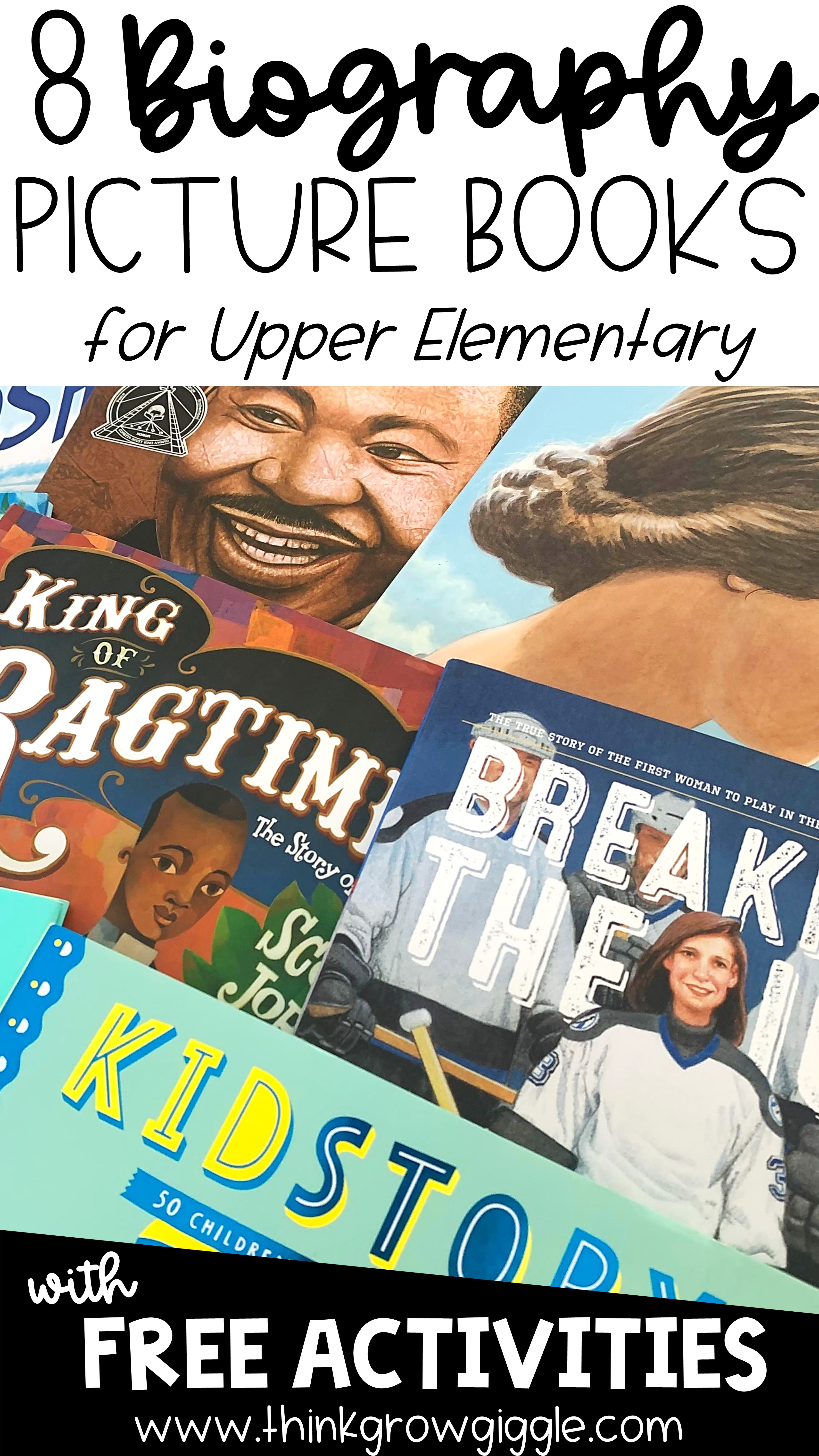
8 Biography Picture Books for Upper Elementary


One of the most exciting times of the school year is when we dive into biographies!


Not only do the kids love biography project time, but so do I! Why? Here are some of the reasons why I just LOVE biography project time:

  • students are engaged and actively reading nonfiction
  • students are applying a wide range of reading strategies as they read this form of nonfiction
  • students learn from one another as they are reading about different people
  • biography reports and projects ties together reading and writing in an authentic way


Sounds great, right? It is true! SO much goodness comes from completing biography projects. On top of all of that, students work independently on the project and feel a huge sense of accomplishment and pride when they are done.


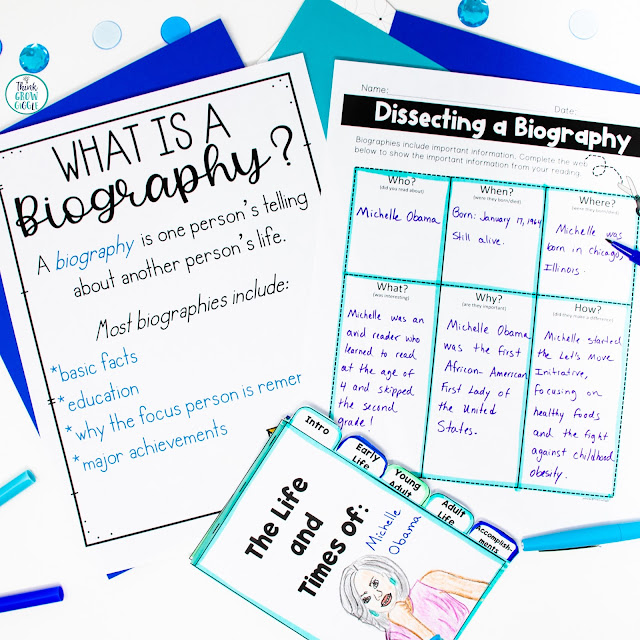
But before all of this goodness can happen, we start small. We kick off our biography unit and project by reading high-quality picture books that truly illustrate the elements that are found in biographies, like these. 


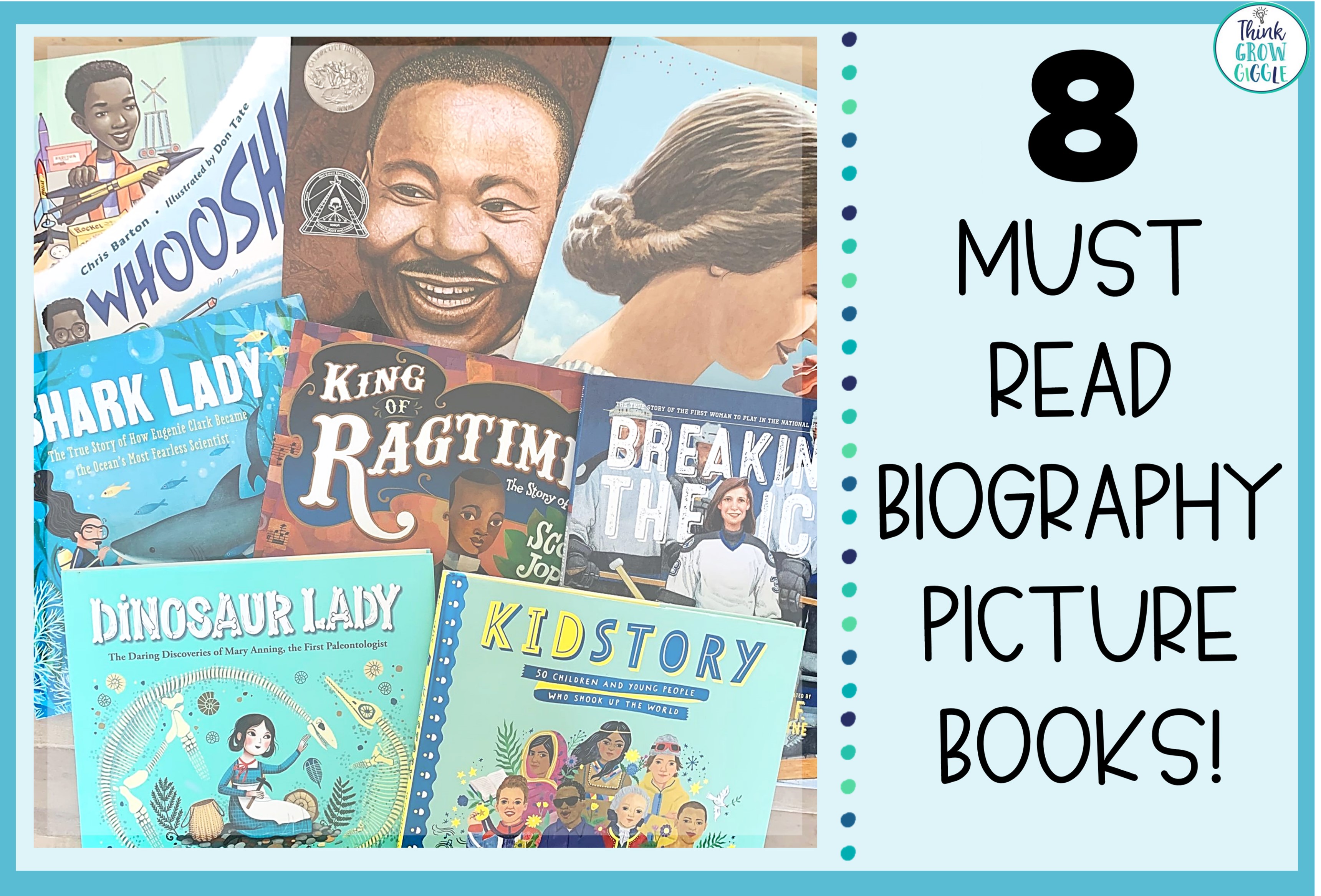
This list of 8 picture books includes titles that are must adds to your upper elementary classroom. And bonus, grab the FREE organizer and activity to use with any of these books to help you kick off biographies in your classroom!


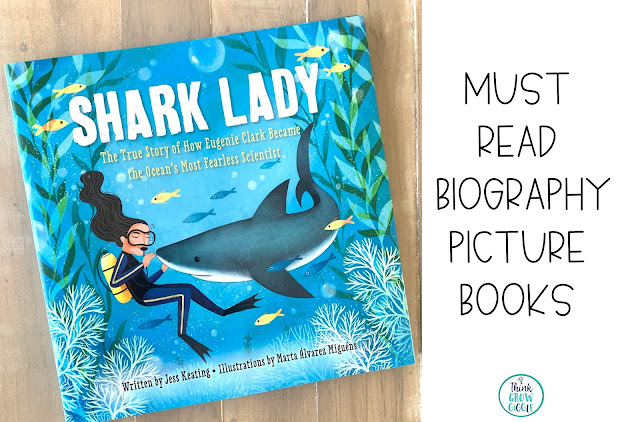
Shark Lady written by Jess Keating

8 Biography Picture Books for Upper Elementary

The only thing more engaging than reading about sharks is reading about the woman who just swam with the sharks. This biography tells the story of Eugenie Clark. I love this picture book biography because it begins the story of Eugenie's life with her as a young girl. The reader goes on a journey learning about her life and her actions to make her dream of becoming a marine biologist a reality. I especially love the book's last pages that include informational paragraphs about sharks, the timeline of Eugenie Clark's life, and the author's note. 


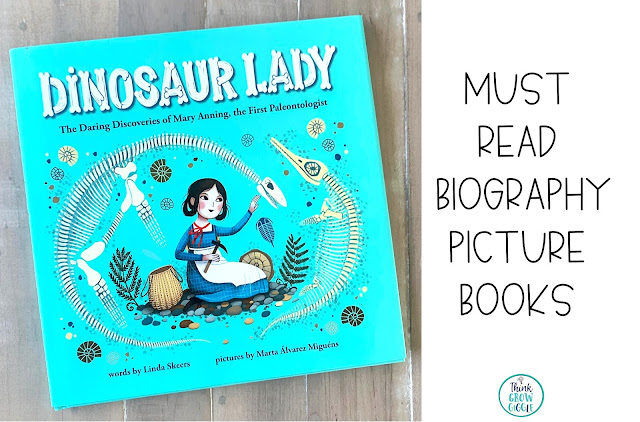
Dinosaur Lady written by Linda Skeers

8 Biography Picture Books for Upper Elementary

One of the reasons why this book makes my list of top biography picture books is because there are so many examples that help students discover the character traits of Mary Anning, like being determined, brave, and curious. This biography book is a great choice to read during a biography unit and a character trait unit. This exciting story will shock some of your students as they learn that Mary Anning discovered dinosaur fossils and bones before the word dinosaur was even invented! With all the goodies at the end of this book, too, your students will love to read and reread this book. The last pages include informational paragraphs about fossils, Mary Anning's life timeline, and the author's note. This highly engaging story is a must-read in your class.


WHOOSH! written by Chris Barton

8 Biography Picture Books for Upper Elementary

This story of Lonnie Johnson and his super soaking invention was recently recommended to me, and I instantly fell in love with it! This book begins with Lonnie Johnson as a young child who enjoys making things work and being challenged. Students will easily relate to Lonnie and his failures with some of his inventions. The reader follows Lonnie through his young adult life, his adult life, and all of his ups and downs. This book is filled with amazing illustrations and diagrams that kids love to check out. The author’s note at the end will certainly encourage students to dream big and come up with the next best invention.


Breaking the Ice written by Angie Bullaro

8 Biography Picture Books for Upper Elementary


You don't have to be a hockey lover or even a sports fanatic to love the story of Manon Rheaume, the first woman to play in the National Hockey League. This picture book is the perfect match for upper elementary students. It is filled with important dates, figurative language, dialogue, and excellent word choice. Manon's story Remind students that working hard and failure go hand in hand with trying to achieve your goal. As with the other picture books included in this list, the afterword, real photographs, and timeline at the end of the book truly bring to life for the students that this story is a true story.


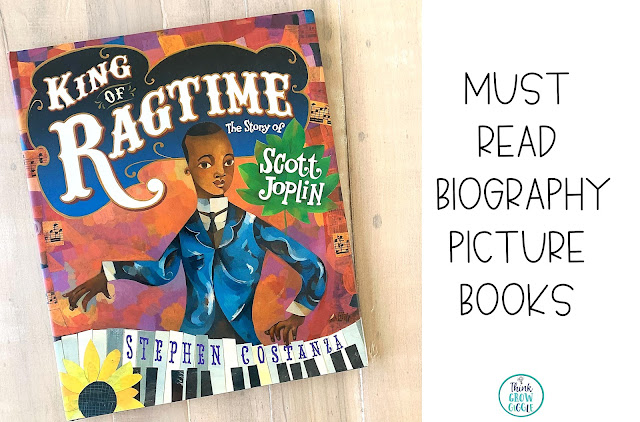
King of Ragtime written by Stephen Costanza

8 Biography Picture Books for Upper Elementary

The King of Ragtime tells the story of the talented Scott Joplin. This biography is another perfect read-aloud for upper elementary students. The author gives great detail about all elements of Scott's life beginning in his childhood, while the illustrator supports the vivid story with beautiful pictures on each page. With rich vocabulary, onomatopoeia, and an easy-to-follow sequential telling of Scott's life, Students will be engaged and learn how important it is to follow their dreams. I especially love that this book allows you to bring music into your classroom, which is sure to catch the attention of your musically talented students.


Helen's Big World written by Doreen Rapport

Helen Keller read aloud for kids


Helen's Big World not only makes my list of top biographies to read with your class, but it also holds a spot on my Women's History Month Picture Book List, too. That is because I always look forward to reading this book year after year. I may be a little biased because I have driven by her beautiful home in Connecticut on my way to teach each morning for many years. See her Connecticut home here. Her story is one of pure inspiration for both students and adults alike. The author of this book does a fantastic job of bringing the story of Helen Keller to life through rich text and beautiful illustrations. I especially love the powerful quotes throughout the book, the focus on both the struggles and accomplishments of Helen Keller's life and the sign language chart included in the book. Definitely a must-read!


Looking for a kid-friendly article about Helen Keller's life? Try this one.


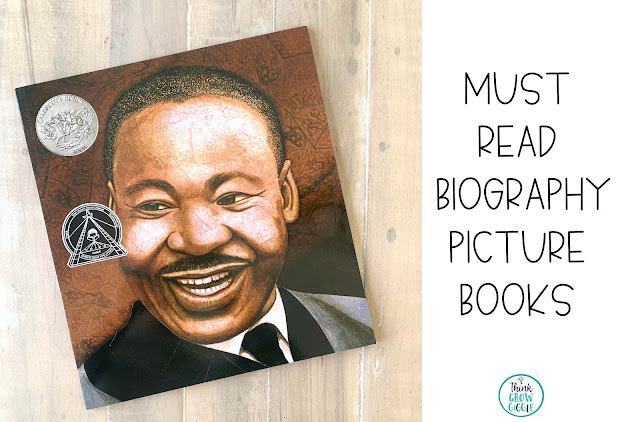
Martin's Big Words written by Doreen Rapport


Martin Luther King Jr read aloud for kids


This biography is part of Doreen Rappaport's biography series. All of the books in this series are just right for upper elementary students, include powerful quotes and illustrations, and get students critically thinking about the focus person of the book. This one, about Martin Luther King, Jr, is no exception. While many students may have heard a story or two about Dr. King, the powerful quotes woven throughout the book will leave students with a lasting impression about the accomplishments, struggles, and determination of Martin Luther King, Jr. No matter what other book you have read about Dr. King, read this one during your biography unit. 


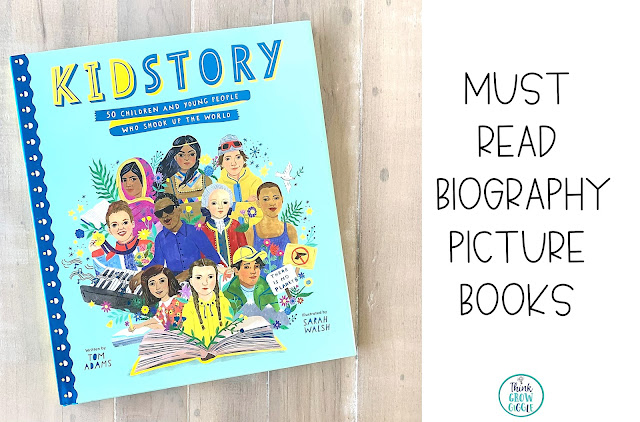
KIDSTORY: Anthology of 50 Children and Young People Who Shook Up the World written by Tom Adams

biography anthology read aloud for kids

I love having anthologies in the classroom, like this biography anthology. They are perfect for when you do not have a lot of time to read aloud to your students. This one tells the story of 50 exceptional children and young people who left their mark on the world. I especially love this book because the contents page categorizes the biographies by topic, with ten amazing children for each subject. For example, one topic is “Create and Dream.” This category has ten mini-biographies about children like Louis Braille and Shirley Temple. Each biography in the book is only two pages long, making it the perfect quick read for each day of your biography unit. From Emma Watson to Pocahontas, this anthology has a wide range of children and young adults to read and learn about each time you pick it up. With a beautiful mix of photographs, illustrations, and quotes, your students will enjoy reading as they put their nonfiction reading skills to the test. This book is one that you will love to visit each day and that your students will love to borrow again and again.


While there are so many biography picture books that you can share with students, these make my list because of their unique stories. These are books that your students probably have not heard...yet! Add them to your own stack of read-aloud books and watch student engagement soar as you read each of these powerful biography stories.


Grab the FREE resource mentioned in this post:


You might be interested in reading:


Getting ready to start a biography project? Click HERE.


                   LOVE these tips? Pin to save!


8 Biography Picture Books for Upper Elementary


*affiliate links: “Think Grow Giggle is a participant in the Amazon Services LLC Associates Program, an affiliate advertising program designed to provide a means for sites to earn advertising fees by advertising and linking to Amazon.” (source: Section 5)


signature

8 Ways For Getting Books to Stock Your Classroom Library


8 Ways to Get Books to Stock Your Classroom Library

Wondering how you can get all the books that you need to stock your classroom and your classroom library? I understand! It is a common struggle that all new teachers face when they begin to set up their classrooms.


Sure it is easy to hit up Amazon for the latest and greatest new books, but there are many other ways that you can score some amazing picture books to read aloud to your students and chapter books to add to your classroom library!


I am definitely a children's book addict and I am ok with that! 


Picture books and chapter books line my office walls, fill many closets in my home, and are proudly displayed all over my classroom. I worked for many years during college in the children's department of a book store {Borders, you may have heard of it} which fueled my love of books even further. It was definitely a dream job, outside of teaching, and I loved every moment of going to work. I got a sneak peek at all the new books, free books from publishers, and spent the entire day just chatting about books.  Before I was even teaching I had a whole stash of books just waiting for a classroom to call home!


Since these were the days before Amazon I got pretty creative when it came to finding books for my classroom. Try some of these ideas to help grow your book collection and classroom library.


1. Goodwill and Thrift Stores


Take an afternoon to hit up all of your local Goodwill and Thrift Stores. There is always a book section and it is usually stocked with children's books. Don't limit yourself to just chapter books for the classroom library, look for picture books to read aloud to students, too! You will grab the biggest haul by visiting multiple stores in one day! 

Use THIS SITE to find a Goodwill shop in your area!


2. Garage Sales


The summertime is garage sale season! Check your paper and social media groups to see where garage sales are happening in your area. I love garage sales because many times when you tell the owners that you are a teacher they will either give you the books for free or give you an amazing deal, so be sure to speak up and say you are an educator!


3. Scholastic Warehouse


Going to Scholastic Warehouse Sales is a teacher's dream! You can always find amazing deals on newer books. Some even have a sale that allows you to pay per pound of books! Use THIS SITE to grab amazing deals and be notified when the next Scholastic Warehouse Sale will be happening in your area! 


4. Instagram


The teacher community on Instagram is an amazing place to hang out! Are you following me there? head on over and follow along today! I am always sharing my favorite picture books and chapter books along with free activities to use with them! Plus, I frequently do book giveaways to help you stock your library! I am not the only one that does book giveaways! Be sure to follow some of your favorite publishers for their deals and giveaways, too!

Must follow on Instagram:


stack of books to add to your classroom library


5. Libraries

Befriend the children's librarian at your local library! They will be a great asset to you as you hunt for amazing books to stock your classroom library. Let them know you are looking for books and they will let you know when they discard books that you can have or if they have a friends of the library sale.


My local library has a sale on the first Saturday of the month where they sell (quite cheaply) books that they are taking out of circulation. So be sure to ask around at your local library, you will be surprised how much they can help you!


6. Ask Around and Social Media

Tell everyone you know you are a teacher! They will point you in the direction of free things for teachers. Everyone knows someone who is getting rid of books or retiring and has books and classroom materials to share.


Join local Facebook groups of teachers in your area. So many people post books and materials that they are happy to give away because they are retiring or changing grade levels. Also, check the FB Marketplace for cheap boxes of books that people are looking to get rid of! Be sure to check daily to catch the latest deals.


7. Donors Choose and Wishlists

If you have specific books or sets of books in mind that you want to use in the classroom head on over to Donors Choose and create a grant! You can also create an Amazon Wishlist filled with books you like! When you are done completing these share them on Social Media. You will be surprised how quickly people pitch in to help a teacher in need!


8. Try the Book Bank

Visit this site: The Book Bank to see if you qualify for free or discounted books for your school.


These are great ways to stock your classroom library with books that YOU want and pick out!


These ideas will definitely help to stock your classroom library! These tips are not just for new teachers. All of us should keep up-to-date classroom libraries with fresh new titles to help grow our students as readers and keep students engaged and motivated to read!


You might be interested in reading:


Check out my favorite reading corner resources HERE

Like this Reading Genre Kit!


classroom library reading genre poster sets


LOVE these ideas? Pin to save!


8 Ways to Get Books to Stock Your Classroom Library


Subscribe Today!

Subscribe to get the latest information on educational trends and ideas by email and download a reading graphic organizer set for FREE.

    We respect your privacy. Unsubscribe at any time.


    *affiliate links: “Think Grow Giggle is a participant in the Amazon Services LLC Associates Program, an affiliate advertising program designed to provide a means for sites to earn advertising fees by advertising and linking to Amazon.” (source: Section 5)


    signature
    Back to Top