Showing posts with label Reluctant Writers. Show all posts

Teaching the Writing Process to Upper Elementary Students

Teaching the Writing Process to Upper Elementary Students


Teaching upper elementary students about the writing process can feel overwhelming if you do not have appropriate visual resources to help both you and your students refer back to during any writing lesson or activity. From coming up with ideas during brainstorming to publishing their final drafts, there's a lot for young writers to learn. 


How can we make this process meaningful for our upper elementary students to grasp and apply to ANY writing assignment? That's where an interactive writing process bulletin board comes in!


Start the school year by explicitly teaching your students the steps of the writing process. This will help them bring the writing process into every writing assignment during the year. No matter what my students are writing, whether it is a narrative, essay, informative piece, poetry, or a summary of what was read, we take it through the writing process. Knowing what the writing process is, and making it accessible for students is the first step to building confident and able writers in your upper elementary classroom.


What is the writing process


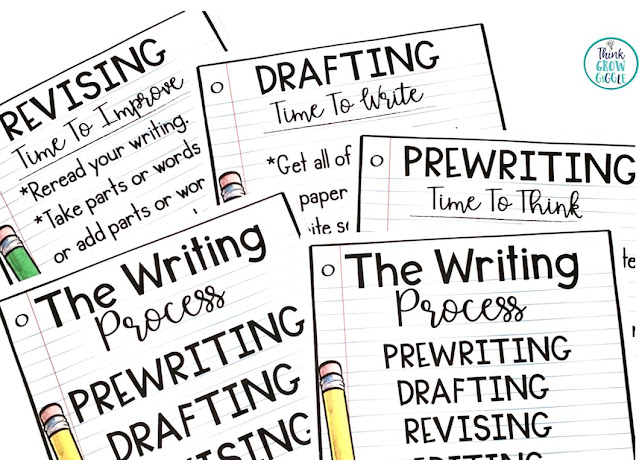
writing process posters and bulletin board


The writing process is a series of steps that writers follow to create a piece of writing. These steps usually include prewriting, drafting, revising, editing, and publishing. I also include two additional steps: peer editing and teacher conference after the editing step and an author's share after the publishing step. 


What are the five parts of the writing process?


5 parts of the writing process bulletin board set


Introduce this process during the first few weeks of school. Start by explaining each stage in simple terms: brainstorming ideas during prewriting, getting thoughts down on paper in drafting, improving content in revising, correcting errors in editing, and sharing the final piece in publishing. Use relatable examples and interactive activities as you introduce each step. If you are going to include a peer editing step, explain that this is the time that students help one another edit and revise their work. An author's share is any way that you pick for students to share their writing. You can display their writing, have everyone share their writing piece with a peer, or randomly select a few pieces to be shared with the whole class.


💡Try this idea at the beginning of the year to help students understand the steps of the writing process! Share a "this or that" question and have the students agree on a response to answer the question. Then, brainstorm supporting ideas as a group, write a quick draft, and work together to revise and edit your piece. By doing this, students can see how the writing process helps transform their initial ideas into polished pieces of writing, all through your modeling of expectations.


How can I create a writing process bulletin board?


writing process posters for the classrom


Creating a bulletin board for the writing process is a great way to display the steps of the writing process in an informative way that students can refer to all year long! 


Use a writing process banner and a poster for each step of the process. You can also arrange the posters for each step of the process into a clip chart layout to keep track of where students are in the writing process. It is easy to do! Simply stack the steps of the writing process posters from the first to the last step. Then, add student names to clothes pins. Have the students take ownership of their own clip and move it through the process posters as they work through the process in their writing piece.


writing process clip chart poster display


Go one step further and create a writer's nook in your classroom! Near the writing process bulletin board display, I suggest having all the tools that writers need as they write, such as student writing notebooks, folders, pencils, erasers, sticky notes, editing and revising checklists, graphic organizers, and thesaurus books.  


This is also a great corner to add helpful posters for writers, such as...

grammar posters

punctuation posters

figurative language posters


writing process posters bulletin board


Try adding these accent pieces to make your writing corner bulletin boards pop!


writing process posters bulletin board


How else can I support my student writers?

Don't forget that students need a lot of support to become fluent writers. Engaging students in writing tasks, writing lessons, and prompt activities is not enough support for students to understand how to write a fluent writing piece. Teaching isolated lessons on how to use a graphic organizer as a brainstorming tool is important. As you teach that lesson, refer to your bulletin board to tie together the process in action with the writing process display.


These ideas and resources will help you support your students' needs as writers...

collaborative stars anchor chart for peer editing and revising (FREE download)

writing inventory to get to know students as writers

grammar lessons and activities

punctuation lessons and activities

sentence structure lessons and activities

handwriting supports 


Remember to explicitly teach your students the writing process. Making the writing process accessible and understandable for upper elementary students is crucial for building confident and skilled writers. 


By incorporating an interactive writing process bulletin board, explicitly teaching each step, and providing the necessary tools, you can create a supportive environment where students thrive. Remember to always refer back to your bulletin board and teach focused lessons on important writing skills and steps of the process to reinforce student understanding. With these strategies, your students will be ready to tackle any writing assignment with enthusiasm and confidence throughout the school year.


Looking for no-prep writing process posters? Head HERE!


writing process bulletin board


                   LOVE these ideas? Pin to save!

Teaching the Writing Process to Upper Elementary Students

*affiliate links: “Think Grow Giggle is a participant in the Amazon Services LLC Associates Program, an affiliate advertising program designed to provide a means for sites to earn advertising fees by advertising and linking to Amazon.” (source: Section 5)



signature

3 Ideas for Student Biography Research Projects Upper Elementary

3 Ideas for Student Biography Research Projects


When the second half of the school year comes around, it is officially biography season in my classroom!


That is because when the second half of the year comes we shift our focus during reading and writing to nonfiction and informative text. The engagement is instant as kids just love to read nonfiction. After we get our feet with reading a wide range of informative texts, we begin to closely study biographies.


Students LOVE to read about real people and the impact that they have had on the world. Every year students are always so motivated during our biography research project time. Our biography project is the first research project of the year, so it is important to me that I support them every step of the way.


Over the years I have found that by breaking down the process step by step for our biography reports students are not only successful when writing their first research essay of the year, but they are able to take the skills that they learned throughout the unit and apply it to future research projects that we do, like studying endangered animals and National Parks


Continue to read to find out how I approach teaching BEFORE I expect students to research and write an expository research essay.


1. Break Down Biographies

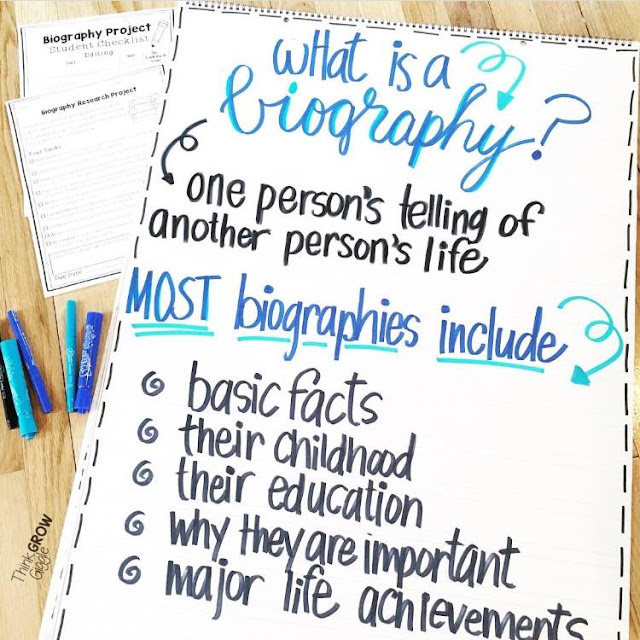
Biography Anchor Chart for Upper Elementary


Breaking down the genre of biographies is a great way to kick off a unit on biographies. Since we study biographies during our nonfiction reading unit, I start by connecting biographies to other nonfiction books that we have read. 

Creating an anchor chart together, I am sure to include that biographies:

  • are one person's telling about another person's life
  • can be about people who have died or are still living
  • include basic facts about the person of focus
  • include information about the person's education and childhood
  • usually tell about problems or struggles that they faced
  • describe their major life achievements

Once we have gone over the characteristics found in biographies we get reading so that students can find these characteristics in action.


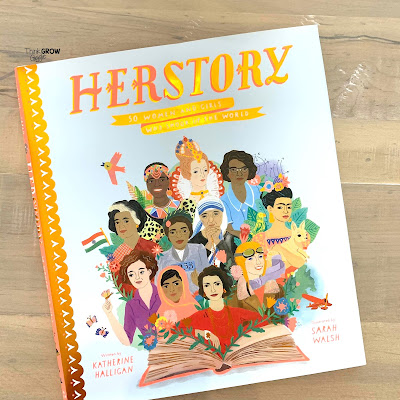
I start by reading a few short biographies like the ones found in anthologies like this one, Herstory written by Katherine Halligan:


Biography Reading Mentor Text Upper Elementary


We stop and discuss the elements that we listed on our anchor chart. I have students find examples of struggles, accomplishments, and facts.


Once students have listened to a few biographies, I send them off to annotate a biography article


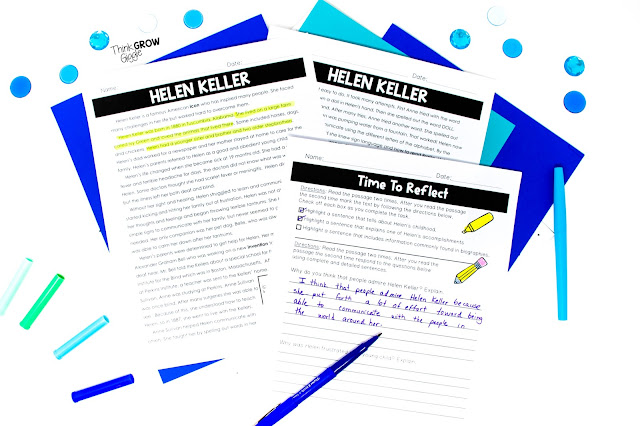
Annotating a Biography for Upper Elementary Students


Students take highlighters and sticky notes and mark up the text, citing where they found elements of biographies. This activity works well in partnerships so that the students can discuss each element with a peer.


At the close of this first lesson on biographies, I send students off with the task to think about a person that they would like to research. While I do like to encourage students to pick someone they are interested in, I do also guide them on who they select.


I tell my students to pick someone who has had an impact on the world and someone who is not a movie/TV/YouTube star. You can make any rules you want to help guide students or set no rules. I have found that spending a few minutes brainstorming appropriate people to research sets the tone for the whole project. That is why before we wrap up the lesson we brainstorm ten people who would be great to research. This brainstorming is just to get students excited and thinking. They do not have to pick from the brainstormed list.


The next day, after students have had time to think, and discuss it with their families, which I like to have them do, they submit their research request. They simply write their name on a piece of paper and the name of who they want to research and why. This is a great way to get students to pick someone intentionally and reduces repeat research projects. I never allow more than two people to pick the same person.


Grab the FREE form I have students use to request a focus person and guide right here.


2. Bring it Through the Writing Process

Writing Process Activities for Biography Research Elementary Kids


It is important to remember to directly teach students how to take notes during their first research project. Before students go off on their own to read and collect information for their reports, I teach students how to take notes. We use T-charts and Boxes and Bullets to help us keep our information organized.


A T-chart is easy to make and easy to use. On one piece of paper, students make a large T. One side keeps track of students' questions and on the other side, the students record the information that they found that answers that question.  Boxes and bullets are easy to use too. Students write the topic or main idea in a box, and below the box, they bullet information that supports that topic or main idea. Whatever note-taking strategy you use in your classroom be sure to explicitly teach students how to use it using any biography mentor text.


Once students have a good grasp on how to collect information, they are ready to work independently. I assign one topic for research each day. This helps the students stay focused on the daily task and make a research project manageable for upper elementary students. The breakdown I use for each day's research looks like this:


  • Day 1: Family Life and Early Childhood
  • Day 2: Young Adult Life
  • Day 3: Adult Life
  • Day 4: Accomplishments
  • Day 5: Other Important and Interesting Information


Sometimes days are combined based on what resources students are using to collect information. Once students have collected information for their report, we pause our research and return to the writing process.


Students know that we use the writing process for all of our writing. However, mini-lessons in certain areas specific to informative writing are necessary to help students write their first research project. Mini-lessons I teach before students write that are specific to informative writing include:


  • hooking your reader
  • paragraph organization
  • citing sources
  • strong closure to wrap up your writing


Teaching students how to take notes and what to do with their notes helps them successfully write their first research project.


3. Get Student Creative Juices Flowing

Creative Biography Project Ideas for Kids


Once students have researched, collected information, written their project that has been taken through the writing process they are now ready to get creative and share what they learned.

Over the years I have done a wide range of presentations from oral reports, to PPT, dressing up as the person they researched, and everything in between.

I have found the best projects and presentations come when students are given choices. I do require students to create a scrapbook as if they were the person of focus which gives them a deeper understanding of who they studied.  By creating a scrapbook filled with illustrations, tokens, and writing students truly get to know their focus person.

In addition to the scrapbook activity, students can select one of the following to share what they learned:

  • design a PPT presentation
  • create a tri-fold handout to teach others
  • create a puppet of the person
  • design a poster
  • prepare a speech as if they were the focus person
  • allow students to come up with an idea for their presentation. I have to approve their idea based on the resources and materials we have available in the classroom.

When students present their projects in my classroom, dressing up as the person they researched is completely optional. Since the entire project from start to finish is completed in the classroom, students' projects are truly their own. They have worked on the entire thing and have a huge sense of accomplishment. These are for sure the best projects of the year! 


When biography season comes around in your classroom, be sure to follow these tips for success! By breaking down biographies, using what students already know about the writing process, and allowing creative choice when it comes to project displays your students will be engaged, motivated, and write the best biography research projects you have ever seen.


You might be interested in reading:


Looking for more high impact writing resources? Click the HERE.


Writing Posters and Anchor Chart Bulletin Board Display Elementary


                    LOVE these tips? Pin to save!


Biography Project Ideas, Tips, Templates, Lessons Upper Elementary


*affiliate links: “Think Grow Giggle is a participant in the Amazon Services LLC Associates Program, an affiliate advertising program designed to provide a means for sites to earn advertising fees by advertising and linking to Amazon.” (source: Section 5)


signature

Winter Descriptive Writing Activity

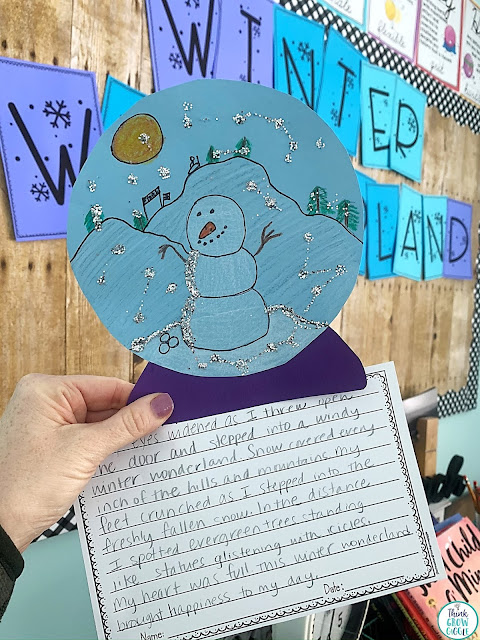
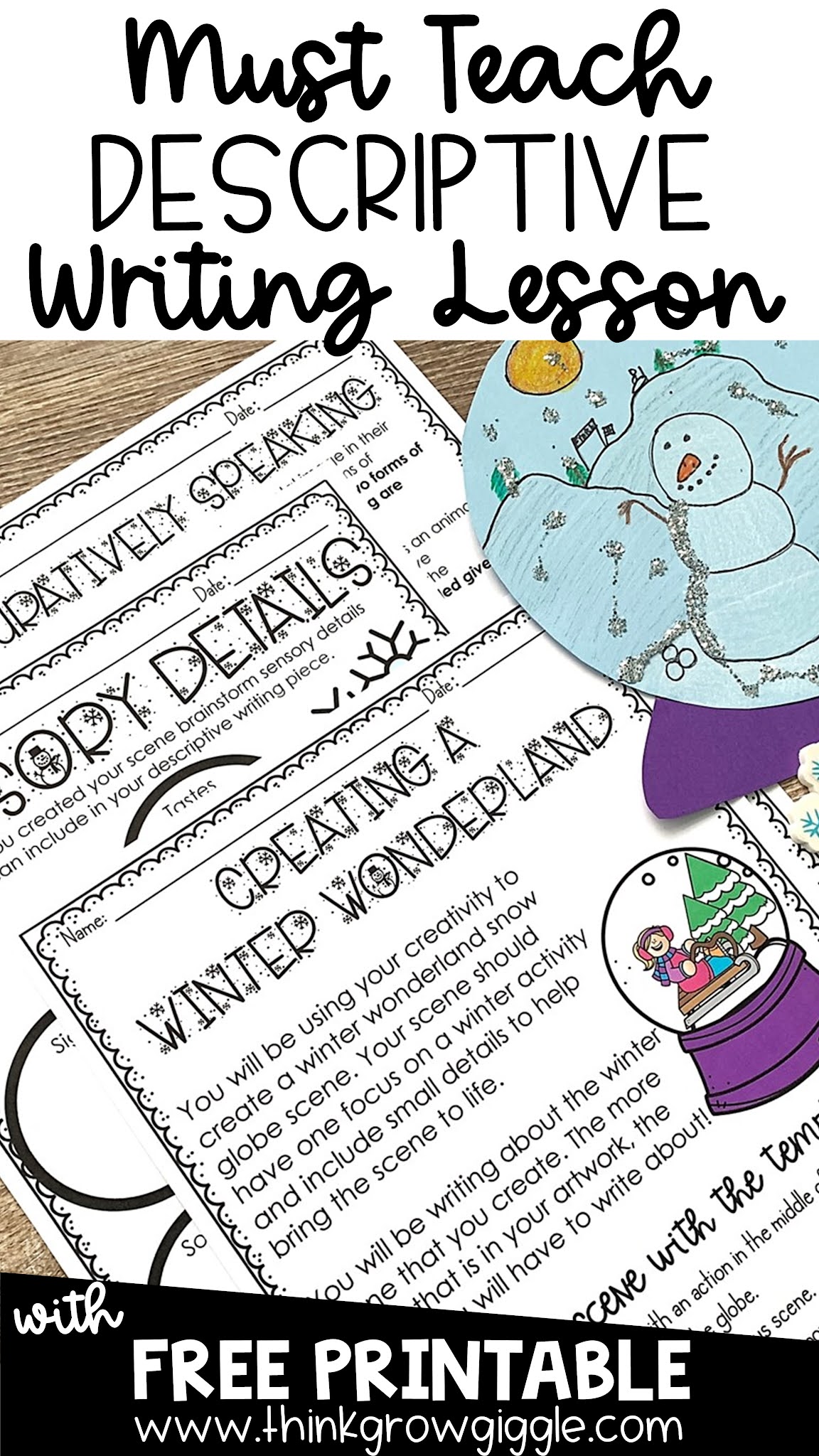
snowglobe writing project for kids


Winter writing activities are not just for the holiday season


I love using the seasons to engage young writers and get their creative juices flowing! Winter is hands down, my favorite season to practice descriptive writing. 


I introduce descriptive writing during our first narrative unit at the start of the year. During that time we talk about using juicy words, sentence variety, and we also touch on figurative language. These skills are practiced all year long. My favorite project to practice all of these writing techniques and encourage creativity is by tieing together art and writing is with this winter snowglobe descriptive writing.


Open up your art closet and grab construction paper and glitter (yes, glitter), and get ready to be impressed with the writing that your students produce from this writing project.


snow globe writing project and ideas for upper elementary

The concept of this project is simple! 


After a few descriptive writing lessons that focus on structure, word choice, and figurative language students will:

  1. Create a unique art project: a winter scene in a snowglobe.
  2. Brainstorm descriptive language and ideas
  3. Write winter-themed figurative language to include in their paragraph
  4. Write a descriptive paragraph about their winter snowglobe scene


This project is a lot of fun and truly helps students grow as writers. I love doing it each year and displaying their art and writing pieces all winter long! These tips will get you started.


Kick It off With a Picture Book


winter themed picture books for upper elementary


I love using picture books whenever I can in the classroom. There are two must-read picture books that I love to read before we do this writing project. They are great to refer back to when we begin writing our descriptive snow globes.


Brave Irene written by William Steig

This book is a must-read mentor text for so many different lessons including descriptive writing. The book tells the story of young Irene who sets off in a blizzard to make a delivery for her mother, a dressmaker who is too sick to go. Filled with amazing word choice and figurative language this book will be an instant favorite for you and your students. Dissect this book and list out all of the writing techniques that you find along with your students and write them on chart paper. This list will serve as a great reminder of techniques that students can use while they write their snow globe descriptions.


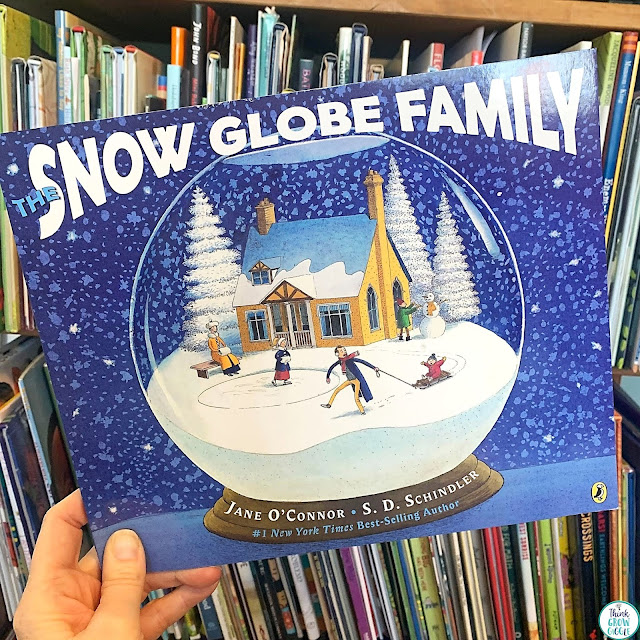
The Snow Globe Family written by Jane O'Connor

This is a fun read about a family that lives in a snow globe. The illustrations are a great model to show students how to create a full winter scene in the snow globes they create for this project. After reading this book have the students reflect on the activities that took place during winter in the story and then brainstorm different winter activities and winter scenes they can include in the snow globes that they create.


Get into the Spirit of the Season

Help students to really get into the season of winter by bundling up and going outside for a winter walk! While on the walk have students take a clipboard and pencil so that they can jot down all of the winter elements that they observe. Have them write descriptively as they take notes about the setting around them. Before you head outside give students some examples of what you are looking for. 


Not sure where to start, try these:

  • wind biting at your face (personification)
  • cool, crisp, cold air blowing (alliteration)
  • snow as soft as a blanket (metaphor)
  • list of descriptions using the five senses


Don't want to head outside? Try watching this video to get into the cold season of winter! While this collection is filled with facts they will still get your students in the mood to write descriptively about winter and help them add a variety of winter elements to their snow globes.


Make Some Art: Snowglobe Art Project

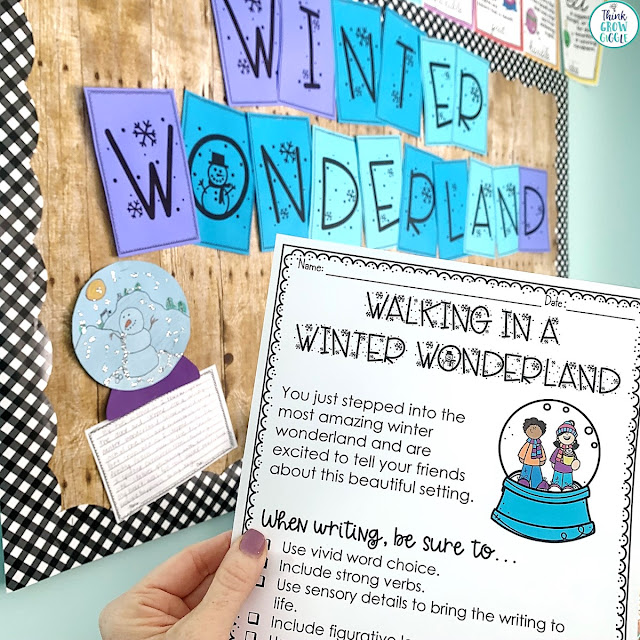
winter snow globe writing project and art project display idea


Now the fun begins!


This descriptive writing project was created to help my students practice writing with descriptions to improve their narrative writing pieces. 


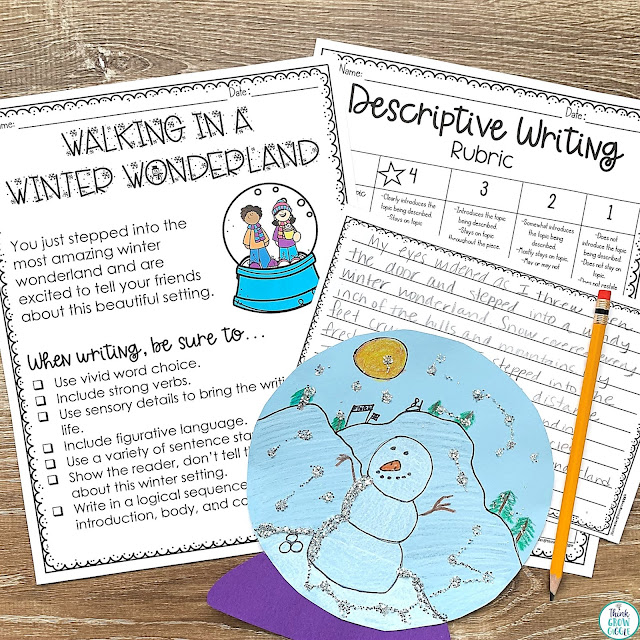
My favorite part about this activity is the art project involved. You can have students decorate the snow globe worksheet template that is included in this pack, or you can have students create their snow globes with tracers and construction paper. 


Be sure to make several circle tracers on cardstock or thick paper for students to use. Then have students use the tracers to make the large circle of the snowglobe. I usually have students use light blue paper or light gray paper to really set the winter scene. Then students can cut out a base for the snowglobe. You can make a tracer for this shape as well, or you can instruct students to cut out rectangles. After they have the two pieces cut, have them glue them together.


Make sure students have brainstormed one focused scene that they will use for the snowglobe before they draw.  This will prevent students from redoing their snowglobes over and over. Invite students to add as much detail to their illustrations as possible. The more that they create in art, the more they have to write about in their pieces.


If you are feeling daring, like I always am, add some glitter and sparkle to the globes. This will help students craft similes and metaphors about the weather in their snow globes.


Teach the Writing Genre

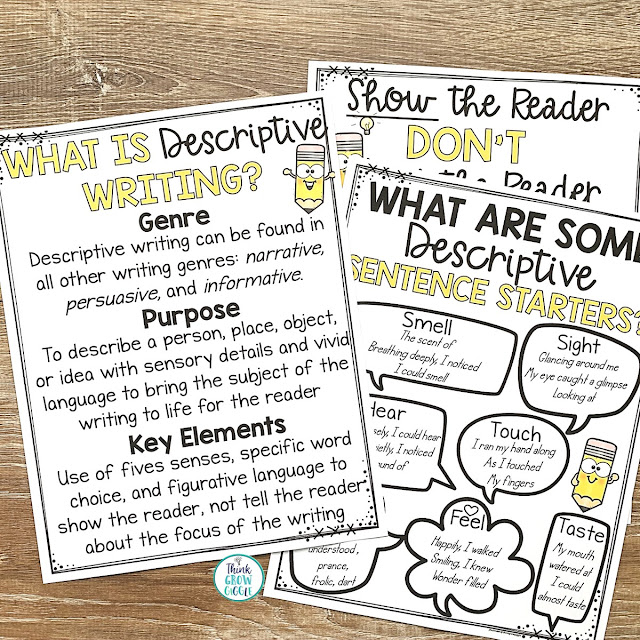
descriptive writing anchor charts


When it comes to this project, I always make sure to teach the elements of descriptive writing before we begin any art or writing. We spend a lot of time discussing how descriptive writing plays an important part in narrative pieces. 


While teaching this genre, I always make sure to focus on:


  • what descriptive writing is
  • the descriptive writing structure
  • how to show the reader and not tell the reader through the use of descriptive language
  • the audience they are writing to with descriptive writing
  • teaching figurative language and juicy words

Next week I will be sharing more specific tips to help you teach descriptive writing in your classroom.


For now, you can grab the student descriptive writing reference page for FREE below to help students understand this genre. The reference guide will be sent to your email.


I love this winter writing activity and have watched students enjoy creating and writing year after year! This project will hook all of your writers, including struggling writers. The art project coupled with their descriptive writing pieces makes a beautiful bulletin board display for the entire season of winter!


snow globe writing project and bulletin board display for upper elementary


Grab the Winter Wonderland Project complete with everything you need, including bulletin board letters to create this project in your own classroom.


You might be interested in reading:


Looking for more high-interest winter activities for your classroom like this differentiated reading pack?
See more HERE.


reading activities for winter for upper elementary


                   LOVE these ideas? Pin to save!


snow globe writing project for kids


*affiliate links: “Think Grow Giggle is a participant in the Amazon Services LLC Associates Program, an affiliate advertising program designed to provide a means for sites to earn advertising fees by advertising and linking to Amazon.” (source: Section 5)


signature

3 Easy to Implement Tips to Teach Procedural Writing

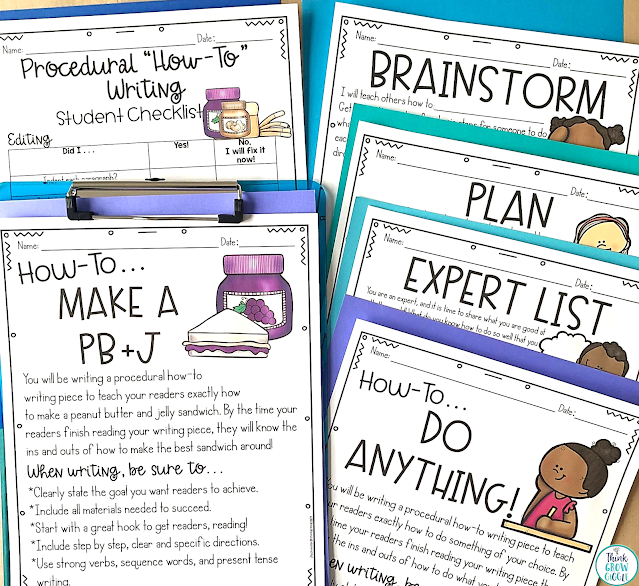
how to writing lessons


Having my students write procedural pieces is one of my favorite units to teach! The kids are always excited to share how to do something that they are good at, that they enjoy, or something that they just learned. Writing a piece about How to Catch a Leprechaun is always one of their favorites!


I love practicing how to writing with seasonal procedural writing projects like March-themed writing about How to Catch a Leprechaun which are fun, creative, and always high engagement for students. But before we practice with seasonal topics, I stick to formal writing workshop time to teach lessons that are designed to help students truly grasp the concept of how-to writing.


Here is how I break down this genre of writing for my upper elementary students in focused lessons to help them understand the nuances specific to this writing genre. These tips are perfect for any procedural writing lesson throughout the year.


3 Easy to Implement Tips to Teach Procedural Writing
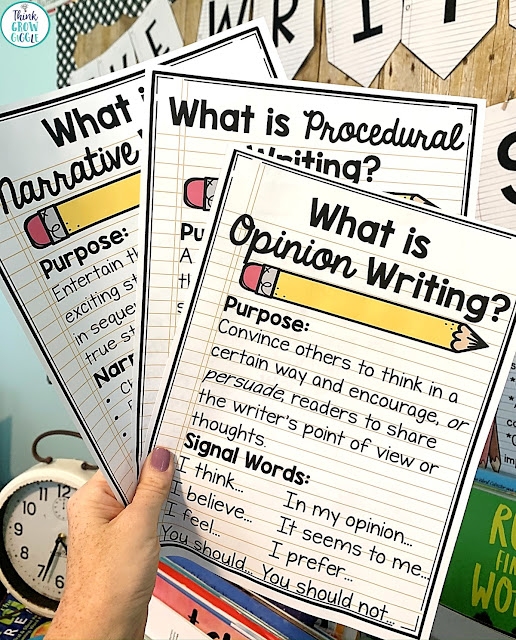
Students are expected to write to narrative, expository, and opinion prompts. So when students find out that procedural writing is a form of expository writing, they can instantly connect to this genre and use what they know about expository writing to write procedural writing pieces.

Although procedural writing is a form of expository writing, students must understand that the purpose of procedural or “how-to” writing is to help someone succeed at doing something by following specific instructions. Students must teach the reader through their writing.

I love using picture books and modeled writing to help students see procedural writing in action! 


how to writing upper elementary


My favorite picture books to read as mentor texts for this unit include:


Another great way to show examples of procedural writing is to use modeled writing. By annotating modeled procedural writing together, students can see the elements of this writing genre in action and understand how to include these elements in their own writing pieces. 


3 Easy to Implement Tips to Teach Procedural Writing
All writing forms have patterns and structures specific to their genre. By explicitly teaching students the structure of procedural writing they will understand the key components. When introducing this form of writing, these are the three components I expect from students:
  • Introduction: Hook your reader, introduce the topic, and state what materials are needed to complete the task 
  • Support Ideas: Include detailed and sequential steps, strong action words, and illustrations to support the topic
  • Conclusion: Restate what you taught the readers to do.
Once I have gone over the structure of procedural writing, we revisit the picture books that were read to kick off the unit and identify these three components. As we gather them, we record them in graphic organizers. This helps students to see the evidence from the books but also teaches them how to use the graphic organizer when they head out to write their pieces. 

Students love using keywords to help move their writing pieces along. “How-To” pieces use temporal words (first, next, then, last) and strong verbs to explain how to do something. This is why we brainstorm a big list so that students have a word bank to select from when they are writing. Then we revisit the picture books to collect even more procedural writing keywords.

Grab the free procedural writing student guide right here!


how to writing activities
What makes procedural writing so engaging for students is that it gives them the opportunity to shine through writing pieces that highlight what they are good at, truly celebrating themselves! I have found that students love to pick topics that they know a lot about, like playing a game or sport or how to make their favorite snack. Be sure to also provide students with opportunities to write to topics that you select to challenge their writing skills even further.

Who doesn’t love a good tip when writing? I know my students love to hear me share writing tips that they can implement in their own writing. My favorite tips to share with students for procedural writing include:

    how to writing anchor chart grade 3, 4, 5
  • Know your audience.
  • Be clear! Clearly state the goal and materials needed for the task that you are teaching.
  • Include specific step by step directions with strong verbs.
  • Use sequence words.
  • Take it further by including illustrations and diagrams to help your readers succeed!

Now that students know how to write procedural pieces, get them to work! Don't forget to grab materials to have them "test out" each other's procedural writing pieces. 

Procedural writing is a highly engaging form of writing for all upper elementary students, including reluctant and struggling writers. By introducing procedural writing lessons with a topic that students are already interested in, like holidays or allowing choice, students become invested in writing their best pieces. 

I love to introduce procedural writing at the beginning of the year so that we can practice it throughout the fall,  winter, springand all year long. Follow the tips from this post and watch your students succeed!


Looking for more meaningful procedural writing activities for your students? Try these!


Love these ideas? Pin to save them!


Check out more writing tips:


It’s All About Revision // Tried & True Teaching Tools

Writing Prompts that Inspire // Feel-Good Teaching


*affiliate links: “Think Grow Giggle is a participant in the Amazon Services LLC Associates Program, an affiliate advertising program designed to provide a means for sites to earn advertising fees by advertising and linking to Amazon.” (source: Section 5)

signature
Back to Top