Showing posts with label Kindness. Show all posts

Classroom Earth Day Bulletin Board Ideas Elementary School

Classroom Earth Day Bulletin Board Ideas Upper Elementary

Get ready for Earth Day in your upper elementary classroom with these simple bulletin board ideas that will encourage and motivate your students to be kind to planet Earth!


Creating an Earth Day bulletin board display is an easy way to get your upper elementary classroom ready for spring and Earth Day while reinforcing the important message of caring for our planet.


A motivational Earth Day bulletin board display can add a dash of décor to your upper elementary classroom and has many other benefits.


Why should I have an Earth Day bulletin board in my classroom?

✔ Encourages Environmental Responsibility – Seeing daily reminders about being kind to the Earth helps students develop a mindset of conservation and sustainability. As students learn about human impact on the environment, this display will encourage them to care for the planet. 

✔ Creates a Kind Classroom Atmosphere – You know I love kindness in the classroom! It is always a focus each month. I love to display different kindness bulletin boards and have different kindness challenges going each month. Having a bright and uplifting bulletin board supports your kind community and a shared responsibility for protecting our planet. 

✔ Sparks Meaningful Discourse – Thought-provoking phrases and visuals can lead to class discussions about ways to reduce waste, recycle, and care for the environment. 


How can I create a meaningful Earth Day bulletin board in my classroom?

If you are just getting started with creating a classroom Earth Day bulletin board display, decide which type of bulletin board you want to create. You can create a motivational bulletin board with quotes and tips for Earth Day or a student-centered bulletin board with Earth Day student work as the focus. 


These Earth Day bulletin board ideas will help you plan, hang, and display the perfect Earth Day bulletin board!


1. Earth Day Kindness Posters - Be Kind to Planet Earth

earth day bulletin board kit for the classroom be kind to planet earth


This all-in-one Earth Day bulletin board kit makes it easy to hang a bulletin board and encourage others in just minutes! It includes 12 posters, banners, bulletin board letters, accent pieces, borders, and more! 


If you know me, you know that I love to bring kindness into the classroom with each chance I get! I display a kindness bulletin board with a different theme each season. This Be Kind to Planet Earth bulletin board is a great way to tie kindness into caring for our planet during spring and Earth Week. After we discuss the posters in this set, we begin our Be Kind to Planet Earth challenge. We track the amazing, kind deeds we do each day to help us care for our planet.


2. Dear Mother Earth - Student Writing Project

earth day bulletin board idea writing project for mother earth


This student-focused Earth Day bulletin board encourages students to reflect on how they should be treating our planet, Mother Earth. You will want to do this fun and meaningful writing activity with your students year after year! To practice friendly letter writing, have kids write a letter to Mother Earth, sharing how they help care for her. Encourage them to include specific examples from their lives and add colorful illustrations.


Grab the free writing page!


3. Stop Pollution - Persuasive Project

earth day writing display bulletin board project persuasive writing to stop pollution

This is my favorite writing project of the year! The students' persuasive writing pieces about pollution and human impact on the environment are amazing, so why not hang them and display them on your Earth Day bulletin board?


This engaging pollution persuasivewriting project is perfect for upper elementary students and doubles as a high interest writing project and bulletin board display. With the included nonfiction passages on land, water, and air pollution, students will build background knowledge before beginning an age-appropriate step-by-step persuasive writing piece to convince others to stop pollution. 


4. Great Garbage Challenge - Science Activity

the great garbage challenge science earth day project


Hands down, this science project for Earth Day is a crowd pleaser! 


The idea is simple - take a piece of garbage and transform it into something new and useful. I like to have students work in groups of 2-3 to encourage brainstorming and creativity. To kick things off, I bring in a bag of carefully chosen "garbage" and spread the items out on a table. Each group discusses and agrees on one item to repurpose, then takes turns selecting their piece. Using classroom supplies, they work together to give their item a creative makeover. When they are finished, groups present their creations to the class. For a fun twist, invite your  teacher friend from next door to judge the most creative project - students love the challenge, and their scientific workmakes a great display!


Creating an Earth Day bulletin board is such a simple yet powerful way to inspire your students to be kind to our planet! Whether you go with motivational quotes, student work, or an interactive display, your bulletin board will serve as a daily reminder that small actions can make a big difference. Plus, it adds a fun and meaningful touch to your classroom for spring! So, grab your supplies, get creative, and celebrate Earth Day with a bulletin board that encourages kindness to the Earth this April!


   Save time, grab the Earth Day Bulletin Board Kit!

be kind to planet earth earth day bulletin board kit for classrooms


                     Love these ideas? Pin to save!

Classroom Earth Day Bulletin Board Ideas Upper Elementary

*affiliate links: “Think Grow Giggle is a participant in the Amazon Services LLC Associates Program, an affiliate advertising program designed to provide a means for sites to earn advertising fees by advertising and linking to Amazon.” (source: Section 5)

0


signature

Coloring Pages for Upper Elementary Students

Bring instant engagement into your classroom with intentional coloring pages designed for upper elementary that tie together academics and coloring with meaningful tasks!


Coloring Pages for Upper Elementary Students and 8 Ways to Use Them


Are you wondering how to use coloring pages in your upper elementary classroom?
Look no further! Whether you're planning engaging lessons, looking for ways to reinforce academic concepts, bulking up your fast finisher bin, or simply want to add a fun twist with coloring pages to your daily routine, incorporating these ideas for coloring sheets will be a game-changer! 


Upper elementary students still love coloring, and with the right strategies, we can turn this simple activity into a powerful educational tool. From fostering creativity to enhancing learning across subjects, coloring pages are a versatile resource you can keep in your teacher's toolbox all year.


Plus, there are so many benefits for students when you bring coloring activities into the classroom:

✅ encourages focus and concentration

✅ increases motivation

✅ enhances creativity

✅ reduces anxiety

✅ improves fine motor skills

✅ reinforces concepts learned

✅ helps kids calm down and transition

✅ encourages patience and persistence


Read on to discover eight creative ways to use coloring pages and activity sheets that will captivate and educate your upper elementary students!


coloring sheets for fall halloween and seasons for 3rd 4th 5th graders


1. Brainstorm for Writing Tasks

Using coloring pages as a starting point for brainstorming helps students when it comes time to write. I love using Doodle Thinker pages because the images directly match to the word work, list building, and writing topic. This allows students to already start thinking about their writing as they color. When they are done coloring, writing becomes their focus.


These are fun, simple, and meaningful to use each month for different holidays and special days!


color by code and color by number activities for 3rd 4th 5th graders

2. Fast Finisher Bins and More

Coloring pages are perfect for fast finishers, brain breaks, center tasks, and morning work! You can also add coloring pages to your substitute bin. Once students understand how to use different coloring activities, they become the perfect independent task. Students work hard and concentrate as they complete different coloring pages. 


Here are the different types of coloring pages that we use:


👉Doodle Thinkers: These are our favorite! Each page has a different theme or topic. The kids color the mini images with any colors they want. When they are done, the kids answer a list-building activity, do word work, do a scavenger hunt, and write to a given task. Since all the images are related to the writing tasks, even your most reluctant writers will love to write!


👉Color by Code/Number: Color by code pages follow specific rules or directions for coloring. Each page includes an image to color. The image is broken into different pieces and assigned a problem to solve. Once the problem is solved, students get the coloring code answer and color that piece in the picture. These are great for reviewing grammar and math skills and strengthening reading comprehension.


💡Teacher Tip: Have students complete all of the questions first, then go back and match the code to their coloring. This makes it easier for students.


👉Kaleidoscope Designs: These free choice coloring templates are fun for kids to plan out what coloring pattern they want to use. There is no direction to follow. I encourage the kids to pick three or four colors and design a repeating pattern to complete the page. The kids love to complete these during dismissal time!


👉Quote Coloring Pages:  I love to give students words of wisdom coloring pages that help them stay positive and have a growth mindset. These are fun any time of the year, but I especially love using them at the beginning of the year and during standardized testing season.


3. Vocabulary Building 

We love to draw and label! You can have your students draw their own images or select coloring pages that relate to a specific theme or subject. Students can label different parts of the picture with new vocabulary words they are learning. For example, when you are learning the different parts of a plant, have students draw a plant or find an image/clipart of a plant that students can color and label! Doodle Thinker pages also help build our vocabulary through list writing. 


grammar review color by code activities for kids


4. Tricky Concept Review

Incorporate math by having students solve problems or puzzles where the answers determine the colors they use on different parts of the page. Color-by-code pages are great for this! We use color by code to help practice basic facts like addition, subtraction, multiplication, and division. But we also use them for more complex math tasks like estimation, place value, telling time, and order of operations!


Don't limit yourself to math! Color-by-code activities are also perfect for any type of grammar practice or review, especially as the kids get older and need reminders and reviews of grammar concepts.


summer olympic coloring page for upper elementary


5. Content and Real World Connections

Use coloring pages related to scientific topics, like the solar system, animals, or plants. Students can color the pages and add labels or facts they have learned about each subject. We love to use science coloring pages to help us understand life cycles! Recently, we loved coloring pages to help us understand tricky concepts and vocabulary related to current events such as the Summer Olympics, solar eclipse, and leap year! 


coloring positive affirmation growth mindset posters for kids


6. Positive Classroom Decor

I love to display student artwork and coloring! Allow students to color pages that will be used to decorate the classroom. This can help build a sense of community and ownership of their learning space. Select phrases that encourage a positive mindset. You can have students complete sets like these and leave them up all year, or have students color seasonal images and rotate the pages out each month or season.


coloring affirmation pages for kids


7. Affirmations, Mindfulness, and Kindness

Integrate coloring pages into mindfulness and kindness activities. Coloring can be a calming activity that helps students focus and de-stress, especially during transitions, after tests, or during crazy times of the year. Daily affirmations are a great way to start the day positively and remind students how special they are! They are also a great way to teach students to be kind.

💡Teacher Tip: Use one affirmation a week. Give students time each morning to color the weekly affirmation. You can have students take their completed affirmation pages and create a book for themselves, or you can collect them and decorate your classroom, bulletin boards, or door with them!


kindness coloring pages for upper elementary kids 3rd, 4th, 5th grade

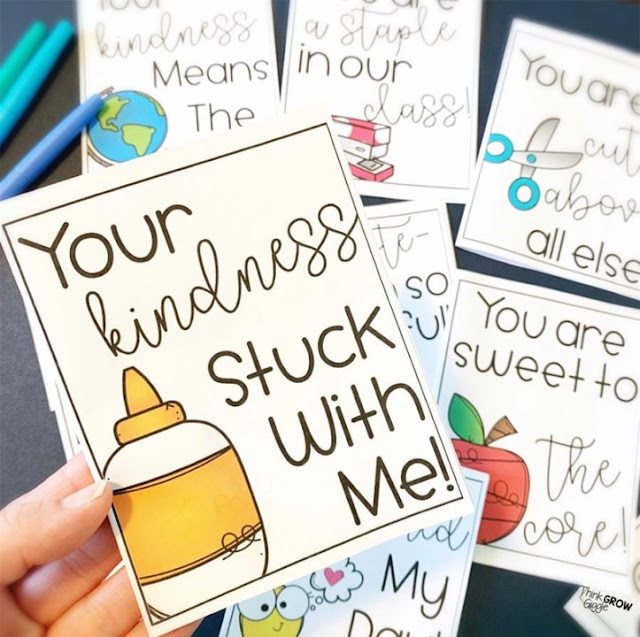
Spread kindness with kindness pages devoted to helping your students reflect on kindness, promote ways that they can be kind, and bring kindness into your classroom! These are also fun to hand and display around the room because they include different kindness phrases!


Grab these FREE kindness coloring pages to try in your upper elementary classroom!


growth mindset coloring pages for kids


8. Interactive Projects

Create collaborative projects where students each color a piece of a larger image. When assembled, it forms a complete mural or poster that can be displayed in the classroom. These are fun to leave on the back table to have students complete as they finish work throughout the day or week. You can set a time limit to challenge students or just allow them to work and finish as they can. I loved using these last year for holiday and seasonal activities and decor. They are fun to hang when students are done!


Try these collaborative projects...


Coloring page activities like these make learning fun and help integrate various subjects and skills, promoting a well-rounded educational experience for your upper elementary students. Once you begin to incorporate these ideas, you will see an increase in student participation, improved skills and focus, and students asking for more! Happy coloring!


Looking for more coloring activities like these? Head HERE.


kindness coloring pages for kids 3rd 4th 5th grade


            Love these ideas? Pin to save them!

Coloring Pages for Upper Elementary Students and 8 Ways to Use Them


*affiliate links: “Think Grow Giggle is a participant in the Amazon Services LLC Associates Program, an affiliate advertising program designed to provide a means for sites to earn advertising fees by advertising and linking to Amazon.” (source: Section 5)


0


signature

4 Kindness Bulletin Board Ideas Upper Elementary Classrooms

Kindness Display and Decor for the Classroom


When it comes to kindness in the classroom there can never be enough lessons, read alouds, activities, or bulletin board displays!


If you have followed me for any amount of time, than you know that teaching and bringing kindness into the classroom is an important part of my teaching life. I love to dive deep into what kindness looks like during morning meeting times, read as many picture books with kindness themes as possible, and catch kindness taking place in my classroom community in authentic, meaningful ways.


Displaying kindness quotes and creating kindness bulletin boards are two ways that you can easily bring kindness in your classroom and set the tone for your community of learners that kindness is important to you and the classroom environment. 


Here are some of my favorite kindness bulletin boards that I love to leave up all year long!


1. Kindness Rules

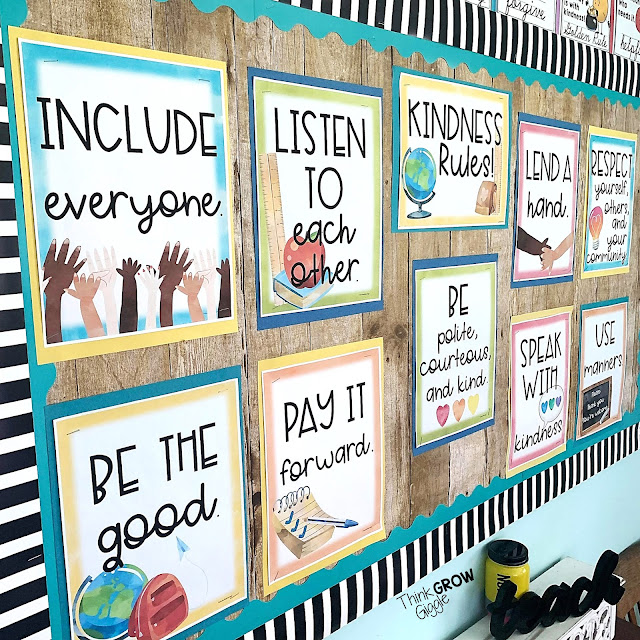
kindness class rules and expectation poster set


When it comes to classroom expectations, kindness is always my number one focus. By displaying these simple kindness rules and expectations right from day one, it is clear to students that being kind is a big part of our classroom community. To make sure it is clear how important it is to our classroom home, we all sign the kindness rules as a kindness classroom pledge. I love displaying the pledge as an important reminder for students and all who enter our room.


2. Seasonal: Kindness Through the Year


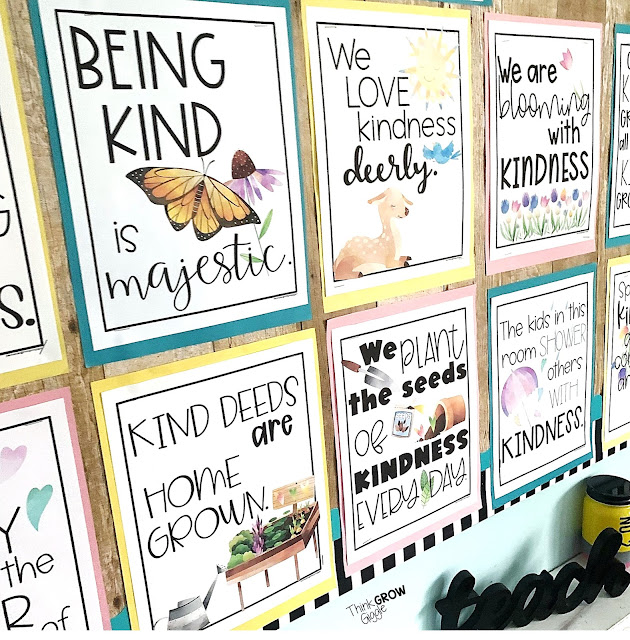
kindness posters and decor to use all year long

Since kindness is a big part of the classroom community, I make it a point to create an inspirational kindness bulletin board that changes with the seasons. I love decorating for the seasons and these posters are perfect to tie together kindness expectations and the changing seasons. The kids look forward to the new batch of kindness phrases each season!


3. Words of Wisdom: Kindness Can Move Mountains


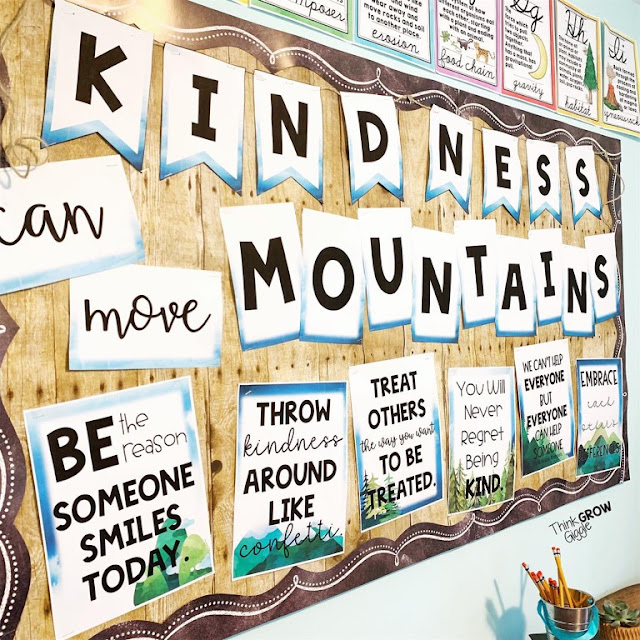
be kind bulletin board display mountain theme


Motivational kindness quotes are a great way to bring kindness into your classroom and spark meaningful discussions about being kind. I love using this mountain theme to really bring home the concept that kindness can move mountains. That phrase becomes our class mantra and plays an important part of our positive classroom environment.


4. Student-Created Kindness Posters


Once students realize how important kindness is and how proudly it is displayed in your classroom, they begin to come up with their own kindness catch phrases. Once students create their own kindness quotes you can use those to display around your room and to kick off morning meeting discussions, too!

Want to get started with kindness in your classroom right now? Grab these free kindness posters and let your students create kindness quotes that you can display!


BONUS IDEA: Kindness Alphabet

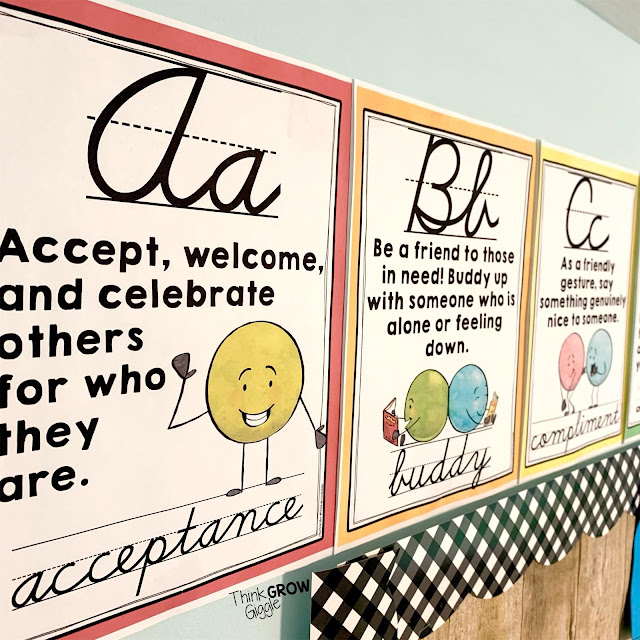
kindness cursive alphabet


When I was moved from teaching third graders to fifth graders I knew I had to up my alphabet game! That is why I created these cursive kindness alphabet posters! The kids LOVE them! They are a great way to increase kindness, empathy, and community all year long.


Displaying kindness rules, expectations, and inspirational quotes is a small thing that makes a big impact. Doing this helps students to understand how important kindness is to you and the classroom community. Students truly do take in the message and begin to show kindness in all that they do!


You will love reading these related posts:


Looking for kindness posters that make a difference? Try these!


spring themed kindness posters for the classroom


Love these ideas? Pin to save them!


4 Kindness Bulletin Board Ideas Upper Elementary Classrooms


signature

Tips and Ideas for Teaching Students to Write Thank You Notes in the Classroom


I once read that one handwritten letter is equal to getting 100 emails. They are that powerful! 


Thank you notes take time and truly show that you care and are grateful for something that someone else did. And why wouldn't a handwritten thank you note hold so much power? Good manners go a long way, and after all, writing thank you notes is one way that kids can show not just good manners, but gratitude, too!

I love using thank you notes in my upper elementary classroom. Over the years, I have found that there are three major benefits of writing thank you notes. Writing thank you notes throughout the year helps to:


I make writing thank you notes a part of our classroom community common practice right from the start of the school year. We write thank you notes throughout the year for different reasons. Read on to find out why we use thank you cards, different ways we use thank you cards, and some must use tips to helping your students write powerful thank you notes!


The art of writing thank you notes is not loston me! Call me old school, but it is very important to me to teach my upper elementary students how to write thank you notes.

Why?

One reason I like to use thank you notes in the classroom is to help students understand and practice gratitude. Gratitude is one of the many positive emotions that we can express. It helps us to focus on what is good in our lives and be thankful for what we have. When students learn that expressing gratitude shows appreciate for others and their kindness, they want to do it all the time. Students learn that by expressing gratitude they can help strengthen the positive relationships that they have in their lives. Showing gratitude also feels good. Evidence shows that expressing gratitude helps both the giver and receiver feel happy. And let's face it, we can all use a little more happiness in our lives!

Teaching students how to write thank you notes not only reinforces important classroom concepts like gratitude and letter writing, but writing thank you notes is a life long skill and habit that I want my students to develop at a young age.

The best part about writing thank you notes is that it is contagious! Once we get into the habit of writing thank you notes and cards in the classroom, the kids are always looking for new ways to express their gratitude.


We write thank you notes for many reasons in the classroom. We express gratitude for both big and small things, to all of the important people in our lives. 

At the beginning of the year we have our first lesson on how to write a thank you note and what should be included in a thank you note. (See the list of tips below for ideas.) After the first few times of writing thank you notes, the kids understand quickly when a thank you note should be written, and how to write them.

Here are some times throughout the year that we write thank you notes:

✏️ Guest speaker or presenter

✏️ Teacher/Nurse appreciation

✏️ Special staff member days like: custodian, secretary, volunteer, bus drivers, or any special day that takes place at school

✏️ After special school events, we thank the organizers

✏️ To family members for special days like: Grandparents' Day, Mother's and Father's Day, Thanksgiving, holiday season

✏️ To each other in class: We like to thank each other for being helpful, good friends, and an important part of our classroom community

✏️ Student ideas: The kids come up with the best ideas for sending thank you notes, ask them to share their ideas.


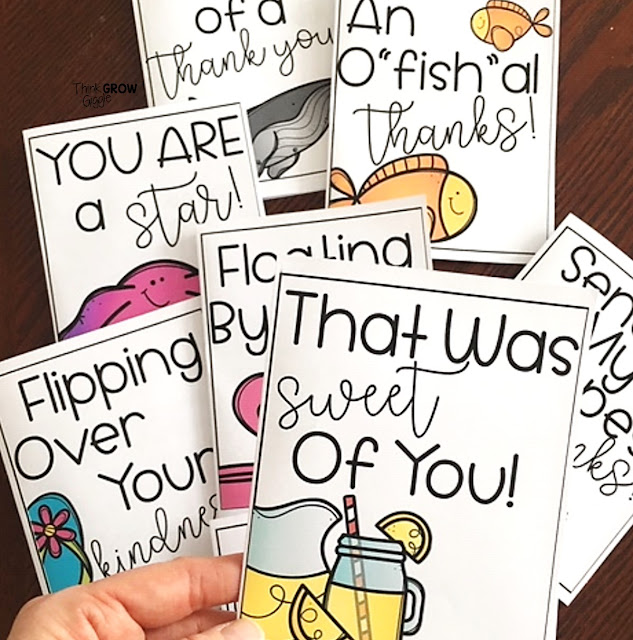
Try these free thank you note shoutouts, perfect for students to give staff. 


Remind your students of the following tips when writing thank you notes to help the recipient feel special:


✅Handwrite or use cursive writing in your notes to make them personal.

✅Use eye-catching paper and neat handwriting.

✅Personalize each thank you with specific information: refer to people by name, state specifically what you are thanking them for, and include specific information about the event or item you are thanking them for

✅Try to send thank you notes right away, but sending anytime, even late, is better than not sending at all!

✅Take your time and make your thank you note special: try using the recipient’s favorite colors or draw a picture that they would love.

✅Send thank you notes as often as possible to develop good habits, even for small, kind gestures. They make both the giver and receiver feel good!

✅Have fun and take pride in the thank you notes that you write!


TEACHING TIP: Model how important it is to you to show gratitude through thank you note writing by sending your students thank you notes. You do not have to send students thank you notes just for gifts. Send thank you notes to students as a way to show gratitude and appreciation.

You can send thank you notes to students for many reasons like:

👍being organized

👍working hard

👍being a classroom model

👍showing kindness

👍helping an adult like a substitute

👍or any other reason, big or small, that you want to celebrate!


The more you spread gratitude, the more students will, too!


Own this set of thank you notes? Try this teaching tip: Print just the covers so that you have thank you cards with a blank inside.Now the cards can be cards kindness, gratitude, and be used for students to give to each other!


Dive in when it comes to showing gratitude and expressing thanks in the classroom! 


Teach students how to write thank you notes and why expressing gratitude is important. You will not only be teaching your students important skills for the moment but you will be helping them to develop important life skills that will last them a lifetime.


Want to get started sending thank you notes in your upper elementary classroom? Grab these free thank you note templates and make sending thank yous a practice in your classroom, too!


You might be interested in reading:


Looking for easy-to-use Thank You Card and Note Templates?  See more HERE.


          LOVE this post? Pin to save these ideas!


signature

Spring Fever Management Ideas for Upper Elementary

Spring Fever Management and Ideas for Upper Elementary

Every teacher knows that spring fever is a real thing! And it always seems to show its face as soon as the calendar flips to March, and gets stronger and stronger until the end of the school year! 


How can you cure spring fever in the upper elementary classroom? It's a simple equation to solve. Engage students with high interestest projects while also allowing them to have choice and independence. At this time of the year, kids are already excited for the next grade level. By giving them opportunities to shine with independent activities students are not only thankful but work harder to prove that they can do it...all on their own!


Wondering how to get started? I can help! Here are 5 tried and true ways to get spring fever under control and increase learning and critical thinking in your upper elementary classroom.


1. Head Outside to Learn


Grab these FREE reading, writing, and math spring activities to bring independent learning outside as the weather gets warmer.


With the arrival of spring comes the arrival of warm weather.


Nothing helps to beat spring fever than heading outside to learn. When the weather gets warmer, I invite students to bring in either a towel or a yoga mat from home so that they have something to sit on when we head outside for lessons. I also have a class set of clipboards, along with a bucket of pencils, that we bring outdoors. Not every task or activity can be completed outside, but many are perfect for outdoor learning. Remember to ask your building administrator if it is ok to head outside before you go! That way they know where you and the class are in case they need you.

Below are some ways to easily get in some outdoor time when spring rolls around.


  • Silent reading and reading review activities

  • Nature walks, seasonal observations, science activities

  • Peer editing and revising during writing time or writing tasks

  • Math practice/skill review and problem solving tasks

  • Use chalk for math practice and spelling practice

  • Anything that can be done on a clipboard with a pencil


2. Embrace the Season

If you have followed me for any time, you know that I truly believe that celebrating the seasons is a great way to engage students in authentic learning. So when spring rolls around, embrace the change of seasons and align it to the lessons you already have to teach for an easy way to increase student engagement. When you combine spring topics with longer projects, students become invested and look forward to working on the project each day or every week.


Here are some ways that I love to bring the seasons into lessons that we already have to complete:


Brainstorm with your students what topics they are currently interested in and build a project around their spring interests. This is a sure-fire way to increase student engagement in authentic learning.


3. Start a Project

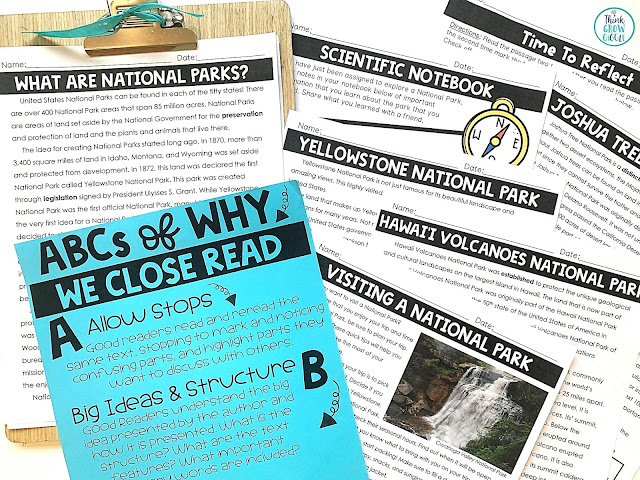
national parks research project for upper elementary kids


Kids love projects! Projects are a great way to provide students with choice within a structure assignment. When kids have choice there is buy in and they take ownership in their learning. The spring is a great time to start a high interest project that lasts for days or weeks, depending on how much time you have to devote to it.


One project that I love to do with students during the spring season is a research project focused on National Parks. After we read about different parks found in our area, we branch out and read about other famous National Parks. The National Parks website is a wealth of knowledge that kids love exploring.


Once our reading and discussions are done, the students complete a research project on a National Park of their choice. They love to select a park that they have either been to and know a lot about, or that they want to visit. I especially love this project because it provides students with choice, independence, and ties together reading and writing in an authentic way.


Other research projects that are perfect for spring:


4. Kindness Challenge

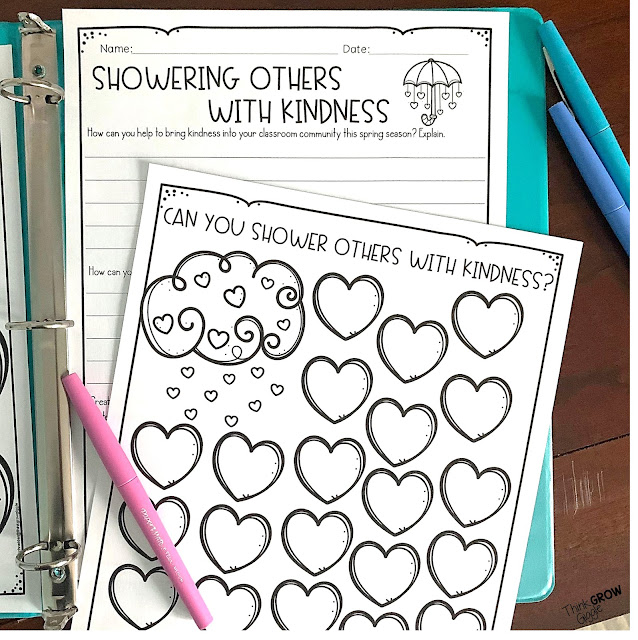
spring kindness challenge for kids

With spring fever sometimes comes unwanted behavior in the classroom. 


It can sometimes be hard to manage students during the spring when they are excited about the change of season and all that lies ahead of them. During this time, there can be disagreement, arguments, and negative attitudes that sometimes surface when families are together for long periods of time. Since our class community becomes our families, it is no wonder this begins to happen.  


I love to give students an extra kindness challenge to combat this behavior. This challenge gives them a chance to show how kind they can be and helps strengthen our classroom community even during spring fever. Simply come up with a number of kind deeds that you think your students can do each day and challenge them to do it in authentic, meaningful ways. You can keep track with marbles in a jar, on the whiteboard with tally marks, or you can hold students accountable by having their own kindness form. This simple challenge truly works wonders in helping students fight spring fever and work together as a class.


Love this idea? Head to this blog post to read more ways that you can bring kindness into your classroom to fight spring fever or any time!


5. Kick-off Summer Reading

summer reading ideas for the classroom


It is never too early to start talking with students about summer reading, especially when you present it in a fun and surprising way!


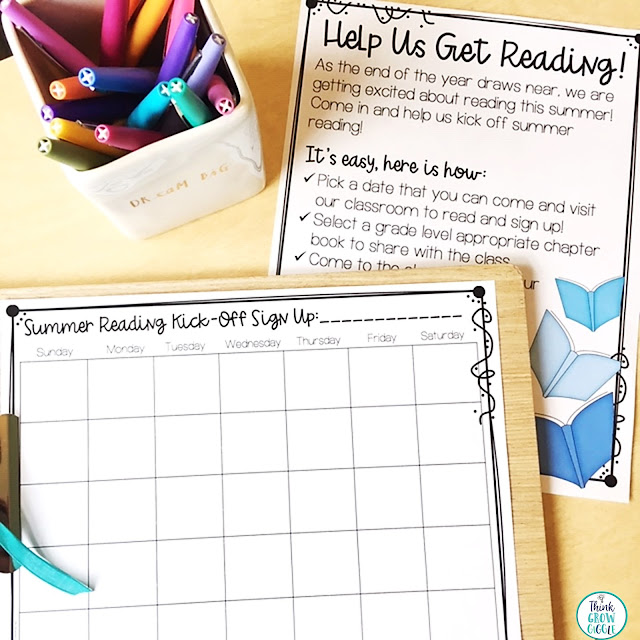
I love to kick off summer reading two to three months before the school year ends, which is just about when spring fever is beginning. This summer reading kickoff is simple and a great way to get students excited about books they have not read before. All you have to do is create a schedule that includes one open 20-minute block a week. Then invite parents to come in during that 20-minute block to read the first two chapters of a children's chapter book of their choice.


Reading the first two chapters aloud makes the students hooked and always want to finish the book over the summer. It is a great way to tease a new book that they will want to finish over the summer. If you hold spring conferences, use that time to sign parents up to read during a 20-minute slot. I love using the last 20 minutes of Friday afternoon to have parents come in and read for this program. It helps us end the day and the week in a calm, reading-focused way!


Love this idea? Head to this blog post to read more to put this summer reading kickoff program into action in your classroom and fight spring fever!


6. Get Coloring!

spring coloring pages upper elementary


I love that the kids I work with love to color! We use a lot of color-by-code and Doodle Thinker activities throughout the year for brain breaks, morning work, and fast finishers! There are so many more ways to bring coloring activities into the classroom when they are connected to important skills like color by code and Doodle Thinkers! Add these activities to centers and stations, independent work folders, sub plans, or any way you want!

New to the world of Doodle Thinkers?
Your students will complete three ELA activities with intentional doodling images after coloring! Images were hand-selected to help students brainstorm ideas and build vocabulary...all to help them successfully do the word work activities and writing tasks included!

Get started with these coloring packs that kids love!


7. Whole Class Management System


Spring Fever in the Classroom Tips


Get spring fever under control in your upper elementary classroom with this tool that truly has students working together to earn a common goal!

I love creating a positive classroom community built on positive behavior and teamwork! While students are responsible for their behavior and choices as individuals, they make better choices when they work as a team towards a common goal or class reward.

I created and use this super simple color challenge behavior system as a quick, easy, and visual way to keep track of student behavior as a class. The kids love it, and I love how simple it is to use - just print and grab a crayon.

It is as easy as 1-2-3!

1. Set up expectations students work towards. (suggestions included)

2. Decide on a whole class reward. (suggestions included)

3. Print the coloring page and color!

Each time students display one of the expectations you decided, color in a piece. Once the whole coloring page has been colored in, the class earns the reward.


Remember, don't fight or ignore spring fever in your classroom this spring! Embrace it and make the most of the final few weeks you have with your students with these ideas and tips. With fun projects, a little reading, and a whole lot of kindness, you will definitely cure spring fever this school year!


You might be interested in reading:


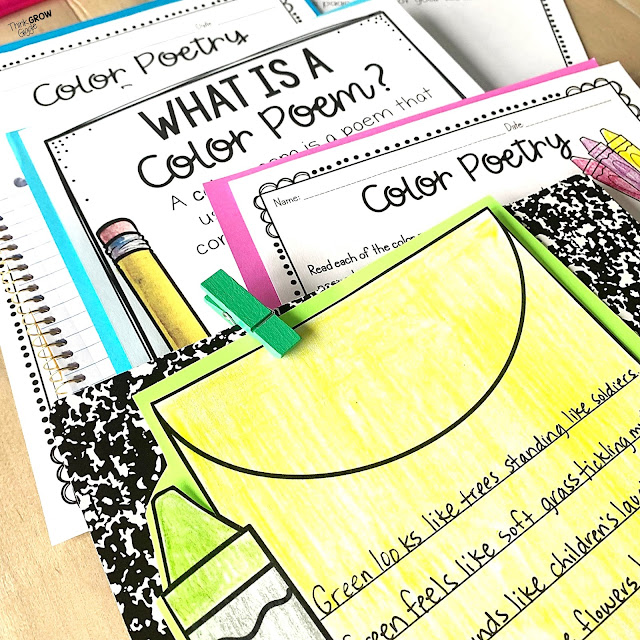
Looking for meaningful spring activities that kids LOVE, like this color poem activity? Click HERE.


spring writing activity for upper elementary


LOVE this post? Pin to save these ideas!


Spring ideas and activities for upper elementary students


signature
Back to Top