Showing posts with label free lesson. Show all posts

Figurative Language Activities for Upper Elementary Students

4 Figurative Language Activities for Upper Elementary Students

Teaching figurative language year-round is a great way to help our students understand it as readers and writers! The more students understand figurative language as they read, the more they will use it in their writing! When students use different forms of figurative language in their writing, their writing is instantly elevated!


What is figurative language? 

✅Figurative language is a word or phrase that does not have a literal meaning.

✅Figurative Language helps readers create a mental image in their mind of what they are reading. Authors use different forms of figurative language to bring their writing pieces to life.


What forms of figurative language do you focus on? 

While your state and district standards might only list similes, metaphors, and idioms as grade-level standards for figurative language, I love to dive deeper! The kids love learning about figurative language and take to it quickly! The more they are exposed to, the more it will creep into their narrative writing.

Here are the figurative language forms I teach:

✅Similes
✅Metaphors
✅Personification
✅Alliteration
✅Idioms
✅Hyperboles
✅Imagery
✅Onomatopoeia

How do you get started with figurative language in your upper elementary 3rd, 4th, and 5th grade classrooms? 

Try these tried-and-true ideas that I have used with my students.


1. Figurative Language Coloring Pages

figurative language coloring pages for 3rd 4th 5th 6th graders


There is no better motivator for our upper elementary students than coloring! In the last few years, I have noticed a huge increase in students wanting to color and be creative. It is so exciting to watch! You can harness that artistic excitement with coloring pages that focus on different forms of figurative language. What I especially LOVE about these figurative language doodle coloring pages is that they serve as a great visual for each form of figurative language. And since each page has word work and writing tasks, your students will try out writing with figurative language and not just coloring! 


2. Figurative Language Reading Passages

figurative language reading passages 3rd 4th 5th 6th grade


I have always loved using mentor texts to teach figurative language. While so many picture books serve as wonderful models of figurative language, I have found that the kids thrive when given a printable passage that they can mark up and highlight. My upper elementary students love to act as detectives as they read these seasonal and "anytime" reading passages filled with figurative language that they have to find. Once they engage with these texts, you will start to see the different forms of figurative language begin to creep into their writing! #teacherwin


Go beyond just reading passages and stories with figurative language and dive into poetry with figurative language! This is especially helpful for struggling readers who can sometimes be overwhelmed by the number of words in a passage or story.


figurative language in poetry for upper elementary


3. Figurative Language Descriptive Writing Projects

figurative language writing projects 3rd 4th 5th grade


The change of each season offers a great opportunity to explore figurative language and imagery. I love using seasonal descriptive projects that tie together writing, figurative language, and art.


Each descriptive writing project we do at the start of each season allows students to revisit different forms of figurative language. We practice each type in isolation and then work on adding them to our descriptive writing pieces that focus on a setting or character. The students' writing always wows me! And bonus...the students' final art and writing pieces make the best bulletin board display!


4. Figurative Language Hunt Reading Activity

figurative language reading activities 3rd 4th 5th 6th grade


When teaching figurative language, I like to encourage students to think like both readers and writers. As readers, they learn to recognize when and how authors use figurative language to bring stories to life. As writers, they discover how to weave those same techniques into their own work to make their writing more engaging.

One of my favorite ways to reinforce this is with "Frequent Figurative Language" punch cards. These cards challenge students to spot figurative language in the books they read and then apply those techniques in their own writing. It’s a simple yet effective way to keep them actively engaged with texts while strengthening their writing skills!


💡BONUS: Figurative Language Lesson Idea

figurative language teaching slides powerpoints 3rd 4th 5th 6th grade


Get visual with an engaging, figurative language slideshow that will teach your students and reel them in to encourage active participation! When explicitly teaching figurative language, I love to provide students with as many visuals as possible. Using images that reflect each form of figurative language helps students to understand each form. It allows students to practice in isolation before transferring these new skills to their writing pieces. These slideshows make it easy to do that for each form of figurative language!


Grab this free alliteration activity to bring figurative language into your classroom!


You ARE ready to get started!

Figurative language is so much more than just a lesson! It is a powerful tool that young writers love to infuse into their writing! By using engaging activities like doodle-style coloring pages, themed reading passages, and hands-on art and descriptive projects, we give students the tools to recognize figurative language and use it to improve their writing. Encouraging independent reading with a “frequent figurative language reader card” keeps our upper elementary students on the lookout for similes, metaphors, personification, and other figurative language techniques in the books they read. This easily ties together students’ reading and writing skills and is a fun motivator for our kids! 


Happy teaching! : )


figurative language reading passages 3rd 4th 5th 6th grade


figurative language lesson slides and activities 3rd 4th 5th 6th grade


                      Love these ideas? Pin to save!

4 Figurative Language Activities for Upper Elementary Students

*affiliate links: “Think Grow Giggle is a participant in the Amazon Services LLC Associates Program, an affiliate advertising program designed to provide a means for sites to earn advertising fees by advertising and linking to Amazon.” (source: Section 5)


signature

4 Groundhog Day Activities for Upper Elementary

 4 Groundhog Day Activities for Upper Elementary

Groundhog Day is one of those "burst of fun holidays" that offers a nice break from the day-to-day work of the long winter season.


This holiday of Groundhog Day offers so many opportunities for bringing rigor into the classroom disguised as fun holiday celebrations. Really, there is no better way to add instant engagement in the upper elementary classroom than by bringing the holidays into your lessons.


When it comes to February in my classroom, we dive deep into all things groundhogs in all areas of instruction: writing, nonfiction reading, science, and even test prep.


Read on to find out how easy it is to engage students in all things groundhogs!


1. Debate it Out!

4 Groundhog day Activities for Upper Elementary


Holding classroom debates is a great way to help students put their opinion and persuasive writing skills to work!

So when the calendar flips to February, I turn the classroom into a courtroom and hold a debate focused on whether or not there should be more winter or early spring. Activities like this provide students with practice in participating in argumentative discussions in a safe, structured environment.

Read more about how I run debates in my classroom HERE.


2. Let's Read Nonfiction

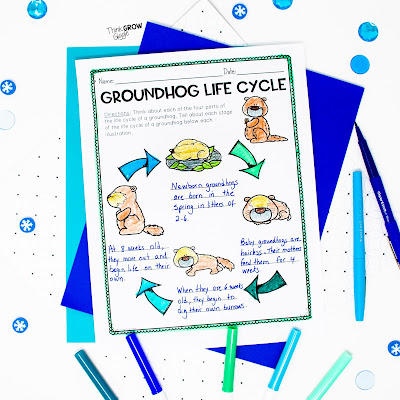
groundhog life cycle activity for the classroom


Nonfiction and animals are ALWAYS an instant motivator for students when it comes to reading. Why not focus on reading everything there is about groundhogs? 


These little marmots have a lot of  "cool facts" about them that hook students in! Did you know that groundhogs were born blind and hairless? My students LOVE reading about these little guys, their unique burrows, their interesting life cycle, and the history of everyone's favorite groundhog: Punxsutawney Phil!


All of this is easily tied into our nonfiction reading unit as we focus on:


•       Nonfiction Structure: how the informational text is organized {think: cause and effect}

•       Nonfiction Text Features: features found in the text to help students digest the information they read {think: captions and headings}

•       Nonfiction Reading Strategies: reading strategies that help students understand the text more deeply {think: questioning and visualizing}


By incorporating the holiday into the nonfiction standards we are already working on, there is no loss of instruction time. #teacherwin


3. Make Science Connections

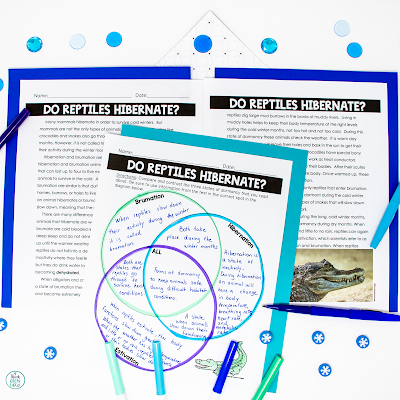
hibernation and groundhog activity for the classroom


While studying groundhogs and hibernation is a great way to use classroom time to tie in Groundhog Day, go beyond the groundhog! They are not the only animals that hibernate!


Studying hibernation is a great way for students to make connections between animals in the animal kingdom. Students work together to collect information about animals that hibernate. But it is important to remember that mammals are not the only ones who prepare for winter and go into a deep sleep. Snakes, alligators, and spiders all have their own version of hibernation. In fact, animals prepare for difficult living conditions like extreme cold, extreme heat, and extreme droughts.

That is why we focus on learning and making connections between:

  • hibernation
  • brumation
  • estivation

By using nonfiction articles on these topics, having students research and gather their information, and practice close reading strategies we are able to tie together informational research, science, and close reading standards...all while engaging students with a little fun.


4. High-Interest Informational Videos 

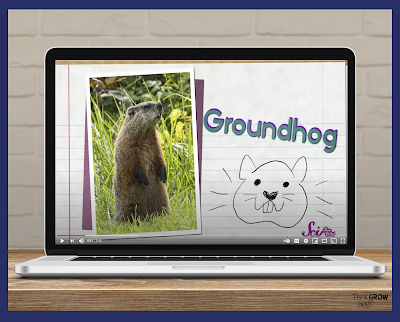
groundhog day videos for the classroom


While I hate to admit it, yes I am required to do some test prep in the winter to get ready for the spring standardized testing. It is definitely not on the top of my favorite things to do in the classroom, which is why I do my best to make it fun.


And thanks to Groundhog Day, we can sneak in a little test prep.


Since my class always needs a little help collecting information from multiple sources to write expository essays, we use the topic of groundhogs and Groundhog Day to practice. By mixing in informational articles and high-interest short videos, students are able to gather a lot of information on the same topic.


I collected all of my favorite and FREE educational videos about Groundhog Day that I use with students and compiled them HERE for you to use, too!


Grab the free organizers below for your students to collect information as they watch the videos. Once they have all of the information in note format, have them write an informative essay about groundhogs or the history of Groundhog Day.


I love using the holidays in my classroom to engage students and take a break from the day-to-day! When you use holidays in meaningful ways students are instantly motivated, participation increases, and authentic learning takes place!


You might be interested in reading:

Looking for more high-interest winter activities? Click the HERE.


winter activities for the classroom


                    LOVE these tips? Pin to save!

4 Groundhog Activities for Upper Elementary


*affiliate links: “Think Grow Giggle is a participant in the Amazon Services LLC Associates Program, an affiliate advertising program designed to provide a means for sites to earn advertising fees by advertising and linking to Amazon.” (source: Section 5)


signature

8 Earth Day Picture Books for Upper Elementary

8 Earth Day Picture Books for Upper Elementary


One of my favorite topics of spring to teach is Earth Day! I love spreading the message to my students, that YES they CAN make a difference in keeping our planet safe and healthy, and so can your students!


When April comes around, I get so excited to dive all the way in to all things Earth Day, endangered species, pollution, and rainforests. No better way to learn about our planet, find ways to help protect it and see its beauty than with amazing picture books.


This list includes my favorite books to share with students during our Earth Day unit. It includes a wide range of books, from nonfiction titles to stories, and even biographies. Be sure to grab the free print and digital student activities that coordinate with these picture books at the bottom of this post.


Oil written by Jonah Winter


reading earth day activities for kids


If you love reading picture books about real-world events, this one is for you! This book is an extremely powerful telling of the Exxon Valdez oil spill. Your students will be on the edge of their seats as they listen to the story and explore each beautifully illustrated page. This book truly shows how one accident can cause problems that last forever. The author's note at the end is just as powerful as the book itself. Since its release, this book has become a staple in my Earth Day book collection.


Magic Trash written by JH Shapiro


magic trash read aloud for kids


This book just made its way to my classroom library and I could not be happier! This book tells the true story of the painter and sculptor Tyree Guyton and the amazing art that he makes all inspired by his grandfather who told him to paint the world.  He used his talents to beautify his neighborhood and create community art. I love that this book sends the message to kids that you can turn trash into something beautiful! And bonus it aligns completely to my favorite Earth Day activity: The Great Garbage Challenge!


You are Home written by Evan Turk


reading about national parks for kids


You are Home is a beautifully illustrated picture book that tells about our country's National Parks. This book truly celebrates nature and National Parks in a fun way, with open-out pages and a large map in the back that shows which state each of the parks mentioned is located. Your students will ask you to reread this book over and over!


Marjory Saves the Everglades written by Sandra Neil Wallace


earth day reading activities for kids


Marjory Saves the Everglades is an interesting nonfiction picture book about the life of Marjory Stoneman Douglas. She was one of the first ecologists, truly fighting to protect our planet's precious everglades.  She used her skills as a writer to educate people about saving animals and special environments on our planet. This book is the perfect example of how one person can truly make a difference! This book pairs perfectly with the book S[ring After Spring, another nonfiction picture book about Rachel Carson who inspired the Environmental Movement. Read more about this amazing picture book HERE and add it to your picture books for Earth Day, spring and biography lessons.


Recycle written by Gail Gibbons


recycle books for kids


No picture book list is complete without a book written by the amazing Gail Gibbons! This book has been a staple in my upper elementary classrooms since my first year teaching and it is still so powerful! It pairs perfectly with your lessons on Earth Day or pollution. This book walks the reader through the recycling process step by step. It includes how plastic, paper, and glass are recycled. My students always learn so much from this book and the fun facts at the end of the book are always a class favorite each year!


What You Can Do to Stop Global Warming written by Lurie David and Cambria Gordon


global warming books for kids


This one is a great reference book for you and your students. It is easy to read, super kid-friendly, and will give you and your class all of the information that you need to know about pollution, global warming, carbon footprints, solar power, how to save the planet, and more! This book is just plain fun to read! Cute cartoon illustrations and nonfiction features like lists and cutouts fill each page. Must have for any Earth Day activity!


The Great Kapok Tree written by Lynne Cherry


Great Kapok Tree activities for kids


Rainforests studies are instant engagement activities for kids! This is one of my all-time favorite books to read any time of year, but especially during April for Earth Day! This book is all about saving our precious rainforests and lends itself perfect for your students to write persuasive writing pieces to stop pollution! This book follows the main character, a man charged with cutting down a large tree. After he falls asleep while chopping, he is visited by all of the animals that will lose their home if he continues to chop down the tree. Your students will learn many valuable lessons right along with the main character!


1000 Facts About the Earth written by Moira Butterfield


nonfiction reading activities for earth day for kids


This book is perfect to add to your classroom library and Earth Day book display! Your readers will always want to borrow this book again and again as it is chock full of amazing facts, pictures, and diagrams all about our amazing planet! Plantlife, rainforests, coastlines, and How to Save the Earth are just a few of the topics explored in this book. It is a great reference book and one everyone will love!


WAIT! There's more...Bonus Book Suggestions:


We Are Water Protectors written by Carole Lindstrom


This book was just recently recommended to me and I am so excited that I was able to grab it! This powerful picture book is beautifully illustrated and brings to life the Ojibwe culture.  This book celebrates Mother Nature, Earth, and the healing power of water. When a black snake threatens to destroy Earth, a group of people comes together to stop it. I love the message this book sends, the author's note at the end, and the Water Protector Pledge included that you and your students can take together! Definitely, a must-add to your classroom library!


earth day activities for upper elementary kids


Michael Recycle written by Ellie Bethel

This book is part of series about keeping our planet clean. The main character is a young boy turned superhero charged with cleaning up the planet! This is a fun read and most appropriate for grade 2 and grade 3. My third graders loved this one!


An Inconvenient Truth written by Al Gore

This book is perfect for you to use as a reference to guide your Earth Day lessons. I like sharing the photographs in this book with students, as well as certain paragraphs. I do leave this book on the whiteboard ledge for students to borrow, too! 


While I love using these books during my Earth Day unit, they live in my classroom library so that students can learn about our planet every day, not just on Earth Day! Read just one of these books to your students and watch their interest in our planet grow! You and your students CAN make a difference in the health of our planet.


Happy Earth Day, teacher friends!


You might be interested in reading:


Looking for engaging Earth Day Activities
?
Try These!


hands on earth day science activities for kids


digital earth day activities for kids


LOVE this post? Pin to save these ideas!


earth day activities for kids


Join us!

Subscribe to grab all of these Earth Day activities delivered right to your inbox!

    We respect your privacy. Unsubscribe at any time.


    *affiliate links: “Think Grow Giggle is a participant in the Amazon Services LLC Associates Program, an affiliate advertising program designed to provide a means for sites to earn advertising fees by advertising and linking to Amazon.” (source: Section 5)


    signature
    Back to Top