Showing posts with label descriptive writing lesson. Show all posts

Figurative Language Activities for Upper Elementary Students

4 Figurative Language Activities for Upper Elementary Students

Teaching figurative language year-round is a great way to help our students understand it as readers and writers! The more students understand figurative language as they read, the more they will use it in their writing! When students use different forms of figurative language in their writing, their writing is instantly elevated!


What is figurative language? 

Figurative language is a word or phrase that does not have a literal meaning.

Figurative Language helps readers create a mental image in their mind of what they are reading. Authors use different forms of figurative language to bring their writing pieces to life.


What forms of figurative language do you focus on? 

While your state and district standards might only list similes, metaphors, and idioms as grade-level standards for figurative language, I love to dive deeper! The kids love learning about figurative language and take to it quickly! The more they are exposed to, the more it will creep into their narrative writing.

Here are the figurative language forms I teach:

✅Similes
✅Metaphors
✅Personification
✅Alliteration
✅Idioms
✅Hyperboles
✅Imagery
✅Onomatopoeia

How do you get started with figurative language in your upper elementary 3rd, 4th, and 5th grade classrooms? 

Try these tried-and-true ideas that I have used with my students.


1. Figurative Language Coloring Pages

figurative language coloring pages for 3rd 4th 5th 6th graders


There is no better motivator for our upper elementary students than coloring! In the last few years, I have noticed a huge increase in students wanting to color and be creative. It is so exciting to watch! You can harness that artistic excitement with coloring pages that focus on different forms of figurative language. What I especially LOVE about these figurative language doodle coloring pages is that they serve as a great visual for each form of figurative language. And since each page has word work and writing tasks, your students will try out writing with figurative language and not just coloring! 


2. Figurative Language Reading Passages

figurative language reading passages 3rd 4th 5th 6th grade


I have always loved using mentor texts to teach figurative language. While so many picture books serve as wonderful models of figurative language, I have found that the kids thrive when given a printable passage that they can mark up and highlight. My upper elementary students love to act as detectives as they read these seasonal and "anytime" reading passages filled with figurative language that they have to find. Once they engage with these texts, you will start to see the different forms of figurative language begin to creep into their writing! #teacherwin


Go beyond just reading passages and stories with figurative language and dive into poetry with figurative language! This is especially helpful for struggling readers who can sometimes be overwhelmed by the number of words in a passage or story.


figurative language in poetry for upper elementary


3. Figurative Language Descriptive Writing Projects

figurative language writing projects 3rd 4th 5th grade


The change of each season offers a great opportunity to explore figurative language and imagery. I love using seasonal descriptive projects that tie together writing, figurative language, and art.


Each descriptive writing project we do at the start of each season allows students to revisit different forms of figurative language. We practice each type in isolation and then work on adding them to our descriptive writing pieces that focus on a setting or character. The students' writing always wows me! And bonus...the students' final art and writing pieces make the best bulletin board display!


4. Figurative Language Hunt Reading Activity

figurative language reading activities 3rd 4th 5th 6th grade


When teaching figurative language, I like to encourage students to think like both readers and writers. As readers, they learn to recognize when and how authors use figurative language to bring stories to life. As writers, they discover how to weave those same techniques into their own work to make their writing more engaging.

One of my favorite ways to reinforce this is with "Frequent Figurative Language" punch cards. These cards challenge students to spot figurative language in the books they read and then apply those techniques in their own writing. It’s a simple yet effective way to keep them actively engaged with texts while strengthening their writing skills!


💡BONUS: Figurative Language Lesson Idea

figurative language teaching slides powerpoints 3rd 4th 5th 6th grade


Get visual with an engaging, figurative language slideshow that will teach your students and reel them in to encourage active participation! When explicitly teaching figurative language, I love to provide students with as many visuals as possible. Using images that reflect each form of figurative language helps students to understand each form. It allows students to practice in isolation before transferring these new skills to their writing pieces. These slideshows make it easy to do that for each form of figurative language!


Grab this free alliteration activity to bring figurative language into your classroom!


You ARE ready to get started!

Figurative language is so much more than just a lesson! It is a powerful tool that young writers love to infuse into their writing! By using engaging activities like doodle-style coloring pages, themed reading passages, and hands-on art and descriptive projects, we give students the tools to recognize figurative language and use it to improve their writing. Encouraging independent reading with a “frequent figurative language reader card” keeps our upper elementary students on the lookout for similes, metaphors, personification, and other figurative language techniques in the books they read. This easily ties together students’ reading and writing skills and is a fun motivator for our kids! 


Happy teaching! : )


figurative language reading passages 3rd 4th 5th 6th grade


figurative language lesson slides and activities 3rd 4th 5th 6th grade


                      Love these ideas? Pin to save!

4 Figurative Language Activities for Upper Elementary Students

*affiliate links: “Think Grow Giggle is a participant in the Amazon Services LLC Associates Program, an affiliate advertising program designed to provide a means for sites to earn advertising fees by advertising and linking to Amazon.” (source: Section 5)


signature

Winter Descriptive Writing Activity

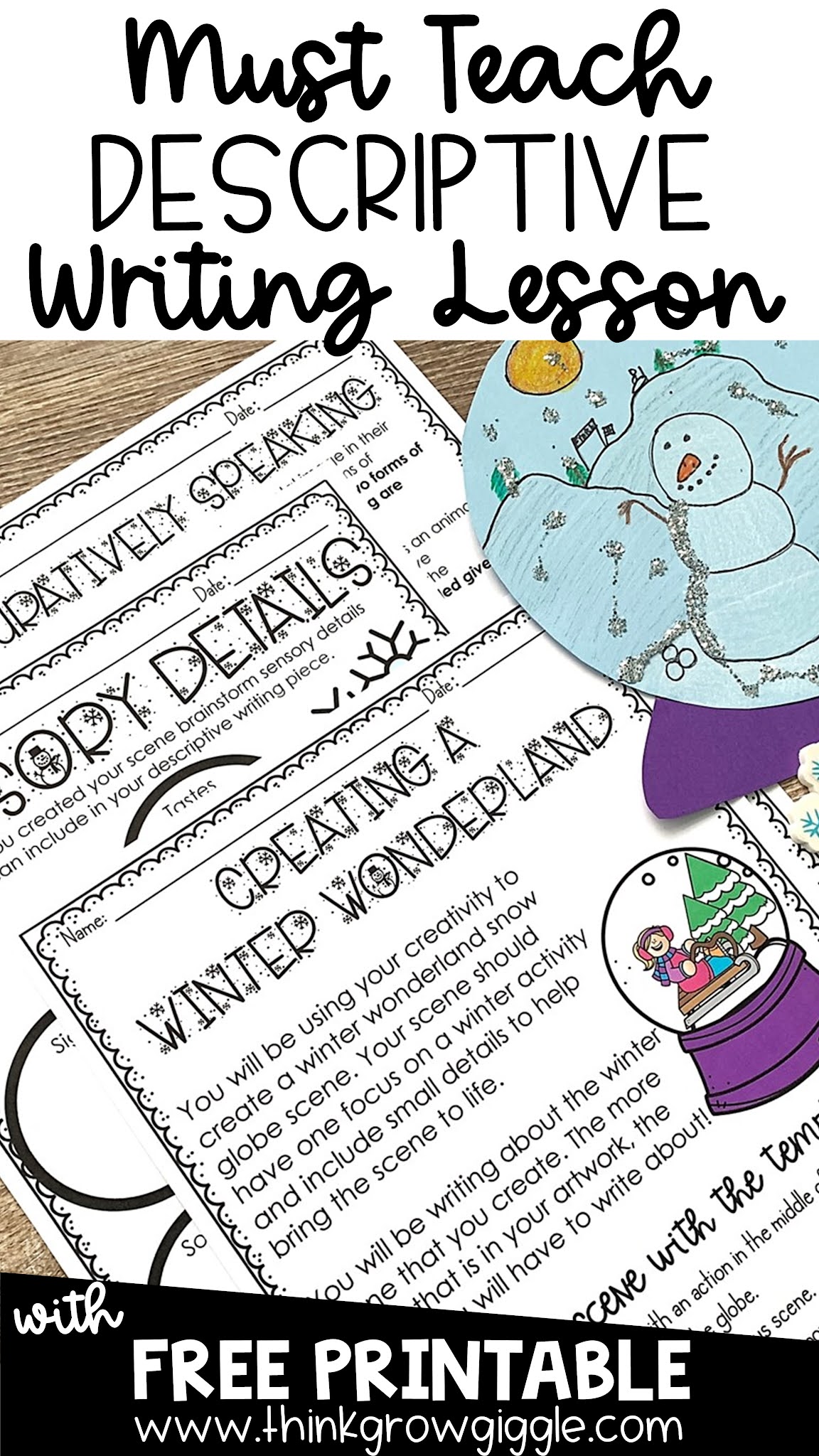
snowglobe writing project for kids


Winter writing activities are not just for the holiday season


I love using the seasons to engage young writers and get their creative juices flowing! Winter is hands down, my favorite season to practice descriptive writing. 


I introduce descriptive writing during our first narrative unit at the start of the year. During that time we talk about using juicy words, sentence variety, and we also touch on figurative language. These skills are practiced all year long. My favorite project to practice all of these writing techniques and encourage creativity is by tieing together art and writing is with this winter snowglobe descriptive writing.


Open up your art closet and grab construction paper and glitter (yes, glitter), and get ready to be impressed with the writing that your students produce from this writing project.


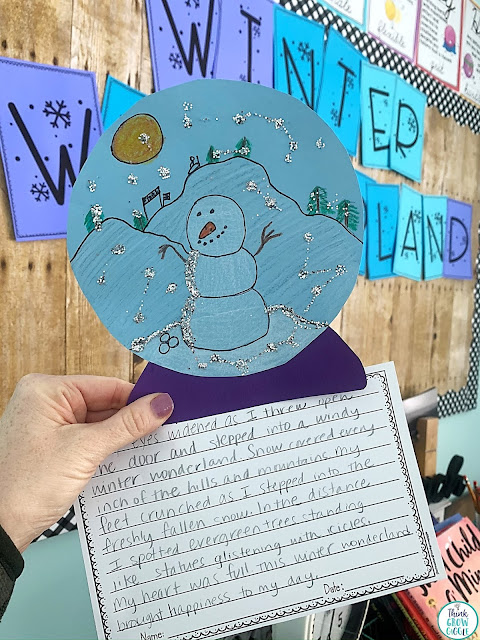
snow globe writing project and ideas for upper elementary

The concept of this project is simple! 


After a few descriptive writing lessons that focus on structure, word choice, and figurative language students will:

  1. Create a unique art project: a winter scene in a snowglobe.
  2. Brainstorm descriptive language and ideas
  3. Write winter-themed figurative language to include in their paragraph
  4. Write a descriptive paragraph about their winter snowglobe scene


This project is a lot of fun and truly helps students grow as writers. I love doing it each year and displaying their art and writing pieces all winter long! These tips will get you started.


Kick It off With a Picture Book


winter themed picture books for upper elementary


I love using picture books whenever I can in the classroom. There are two must-read picture books that I love to read before we do this writing project. They are great to refer back to when we begin writing our descriptive snow globes.


Brave Irene written by William Steig

This book is a must-read mentor text for so many different lessons including descriptive writing. The book tells the story of young Irene who sets off in a blizzard to make a delivery for her mother, a dressmaker who is too sick to go. Filled with amazing word choice and figurative language this book will be an instant favorite for you and your students. Dissect this book and list out all of the writing techniques that you find along with your students and write them on chart paper. This list will serve as a great reminder of techniques that students can use while they write their snow globe descriptions.


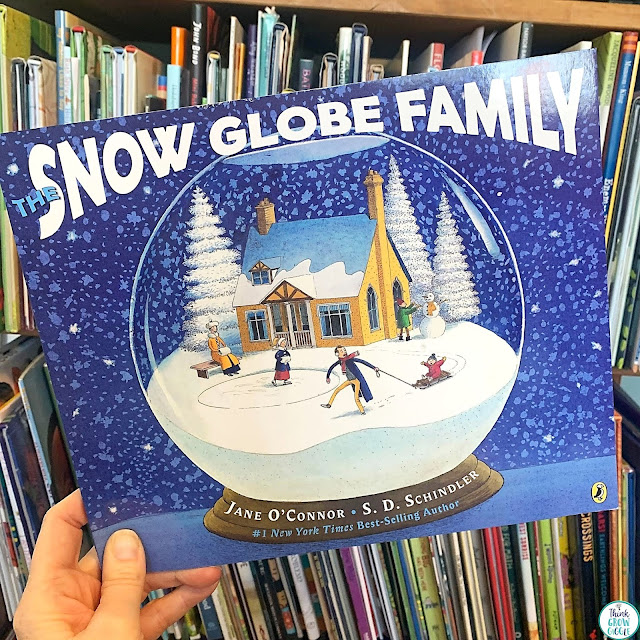
The Snow Globe Family written by Jane O'Connor

This is a fun read about a family that lives in a snow globe. The illustrations are a great model to show students how to create a full winter scene in the snow globes they create for this project. After reading this book have the students reflect on the activities that took place during winter in the story and then brainstorm different winter activities and winter scenes they can include in the snow globes that they create.


Get into the Spirit of the Season

Help students to really get into the season of winter by bundling up and going outside for a winter walk! While on the walk have students take a clipboard and pencil so that they can jot down all of the winter elements that they observe. Have them write descriptively as they take notes about the setting around them. Before you head outside give students some examples of what you are looking for. 


Not sure where to start, try these:

  • wind biting at your face (personification)
  • cool, crisp, cold air blowing (alliteration)
  • snow as soft as a blanket (metaphor)
  • list of descriptions using the five senses


Don't want to head outside? Try watching this video to get into the cold season of winter! While this collection is filled with facts they will still get your students in the mood to write descriptively about winter and help them add a variety of winter elements to their snow globes.


Make Some Art: Snowglobe Art Project

winter snow globe writing project and art project display idea


Now the fun begins!


This descriptive writing project was created to help my students practice writing with descriptions to improve their narrative writing pieces. 


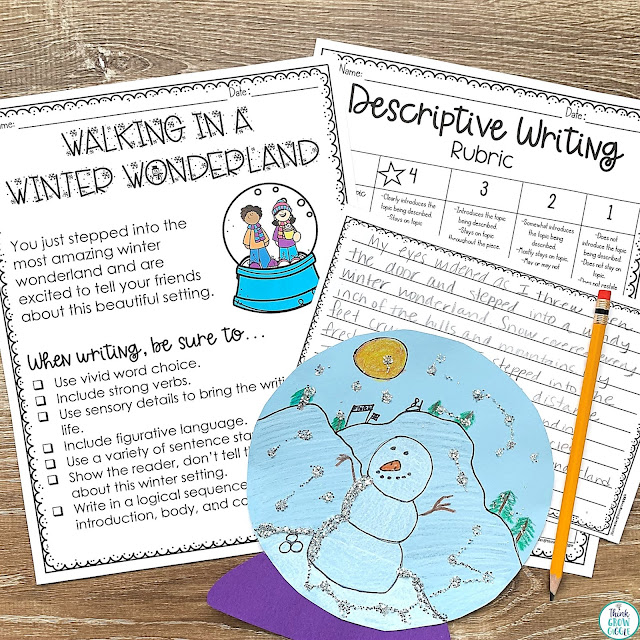
My favorite part about this activity is the art project involved. You can have students decorate the snow globe worksheet template that is included in this pack, or you can have students create their snow globes with tracers and construction paper. 


Be sure to make several circle tracers on cardstock or thick paper for students to use. Then have students use the tracers to make the large circle of the snowglobe. I usually have students use light blue paper or light gray paper to really set the winter scene. Then students can cut out a base for the snowglobe. You can make a tracer for this shape as well, or you can instruct students to cut out rectangles. After they have the two pieces cut, have them glue them together.


Make sure students have brainstormed one focused scene that they will use for the snowglobe before they draw.  This will prevent students from redoing their snowglobes over and over. Invite students to add as much detail to their illustrations as possible. The more that they create in art, the more they have to write about in their pieces.


If you are feeling daring, like I always am, add some glitter and sparkle to the globes. This will help students craft similes and metaphors about the weather in their snow globes.


Teach the Writing Genre

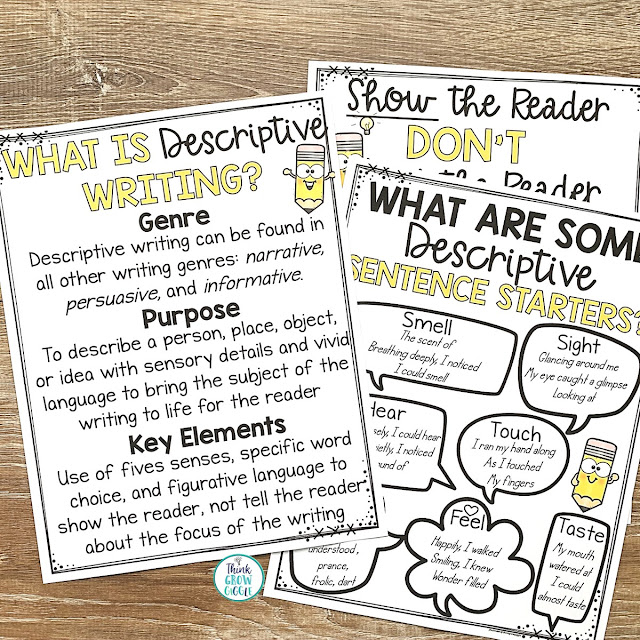
descriptive writing anchor charts


When it comes to this project, I always make sure to teach the elements of descriptive writing before we begin any art or writing. We spend a lot of time discussing how descriptive writing plays an important part in narrative pieces. 


While teaching this genre, I always make sure to focus on:


  • what descriptive writing is
  • the descriptive writing structure
  • how to show the reader and not tell the reader through the use of descriptive language
  • the audience they are writing to with descriptive writing
  • teaching figurative language and juicy words

Next week I will be sharing more specific tips to help you teach descriptive writing in your classroom.


For now, you can grab the student descriptive writing reference page for FREE below to help students understand this genre. The reference guide will be sent to your email.


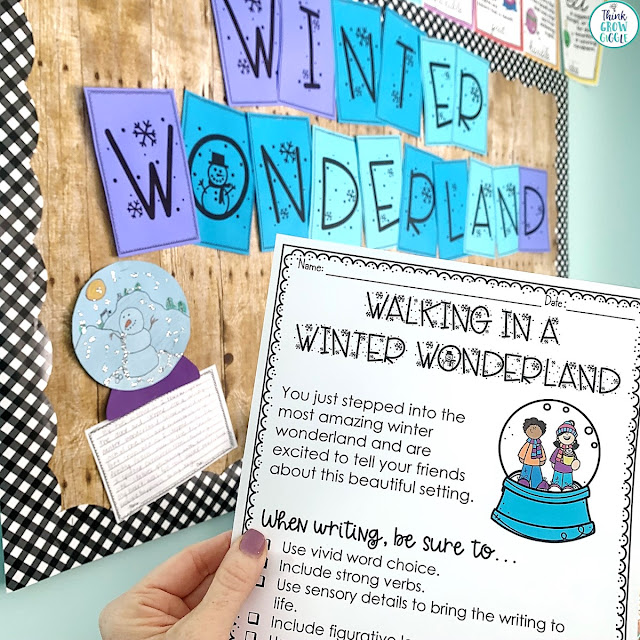
I love this winter writing activity and have watched students enjoy creating and writing year after year! This project will hook all of your writers, including struggling writers. The art project coupled with their descriptive writing pieces makes a beautiful bulletin board display for the entire season of winter!


snow globe writing project and bulletin board display for upper elementary


Grab the Winter Wonderland Project complete with everything you need, including bulletin board letters to create this project in your own classroom.


You might be interested in reading:


Looking for more high-interest winter activities for your classroom like this differentiated reading pack?
See more HERE.


reading activities for winter for upper elementary


                   LOVE these ideas? Pin to save!


snow globe writing project for kids


*affiliate links: “Think Grow Giggle is a participant in the Amazon Services LLC Associates Program, an affiliate advertising program designed to provide a means for sites to earn advertising fees by advertising and linking to Amazon.” (source: Section 5)


signature
Back to Top