Showing posts with label Poetry Read Alouds. Show all posts

Teaching Poetry Strategies


how to teach poetry to elementary students


Poetry is THE most welcomed form of literature in my classroom! I love to use it to challenge top readers and writers and to also support struggling readers and writers. It is a great form of writing to use across the content areas, too. Don’t wait until National Poetry Month to incorporate poetry into your upper elementary classroom. 

Try these tried and true tips and tricks to bring poetry into your classroom every day to support your students.

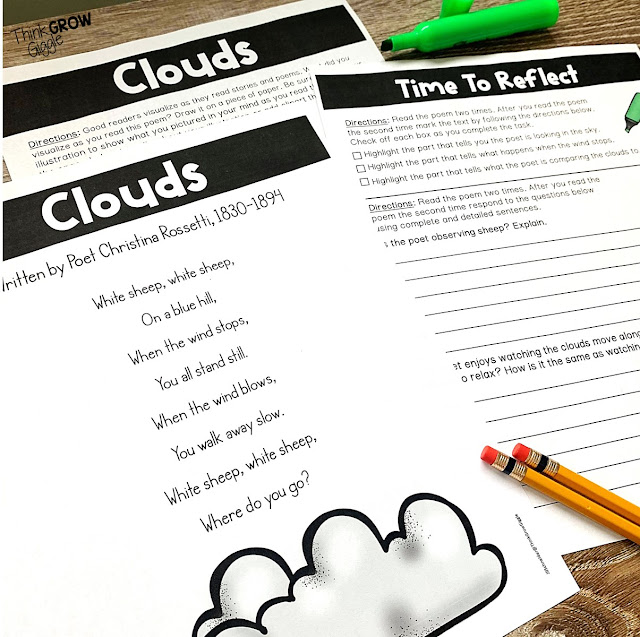
I LOVE using poetry in the classroom! We read poetry each and every day. We practice reading fluency, reading comprehension, and partner reading dialogue with each poem. By reading a poem every day, I can ensure that my students have read an entire piece of literature and digested it through comprehension questions and meaningful discourse. Both high and low readers enjoy reading poetry, but it is especially engaging for reluctant and struggling readers. Click HERE to read 6 reasons why you should use poetry to engage your struggling readers and grab a FREE poetry close reading lesson, too!

Just as poetry can engage your most reluctant reader, it can also engage your most reluctant writer! Poetry is loved by all children. The rhythmic flow of prose is not only fun to read for students, but it is also seen as an attainable writing goal for students who do not enjoy writing or are overwhelmed by the idea of writing an entire narrative or research project. Click HERE to read about 3 reasons why poetry is perfect to engage your struggling writers and grab a FREE poetry writing lesson, too!


Poetry is not only highly engaging for reading and writing lessons, and it is also the perfect form of literature to use as a read-aloud. With its short prose, you can fit in reading aloud many poems during a long read-aloud block of time. If you are short on time for reading aloud (which I always seem to be) you can read a few poems during transitions or down time. Click HERE to read about my favorite 8 poetry read aloud books that your students will love! Be sure to scoop up the FREE coordinating activities for each one, too!


Poetry is a great way to challenge students across the content areas and to use as a summative assessment to wrap up different reading units, too! I love using a simple acrostic poem in unique and challenging ways to increase student discourse and critical thinking, too! Click HERE to read 8 different ways you can bring acrostic poetry into your classroom to engage and challenge students of all levels.


Whether you are teaching remotely or in the classroom, this list of activities will surely engage your students AND help you save a lot of time planning! Click HERE to read how you can engage your young poets remotely or in person! 


Looking for quick poetry tips that are easy to implement in your classroom? this quick read is just what you need, and bonus there is a FREE poetry guide to help you teach a variety of poetry! Click HERE to read more!


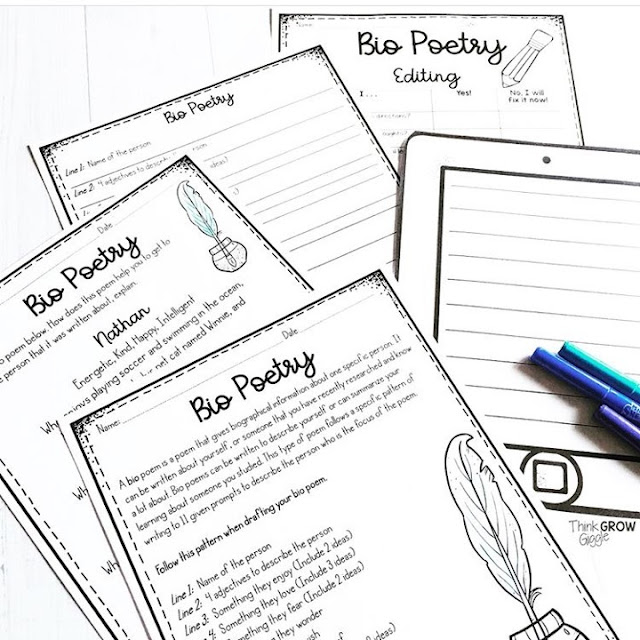
You can also effortlessly bring poetry reading and writing into the content areas, too! Students love to write Bio Poems about famous people in history. It makes the perfect activity for President’s Day or during any history unit you teach. During science, students can write a diamante or haiku poem about a broad topic or even simply a content-specific vocabulary word! It is a great way to get reluctant students writing across the content areas.


Don’t let poetry go untaught until National Poetry Month!  Teach poetry all year long. Your students will reap its many benefits in reading, writing, and the content areas too!


POETRY LESSONS FOR UPPER ELEMENTARY STUDENTS


36


signature

6 Reasons to Use Poetry to Support Struggling Readers


6 reasons to use poetry to support stuggling readers


Motivating and engaging struggling readers can be a daunting task. Whether you are focusing on improving word work, fluency, or comprehension skills with your readers, poetry can help! I have found poetry to be a huge motivator and a successful tool to help struggling readers to succeed and build confidence at the same time.


Read on to find six reasons why you absolutely need to use poetry to support your struggling readers in your classroom. 


Poetry is a natural motivator for struggling students as it has much less text than a page of a novel or even a beginning chapter book. Since poems are short text with less words, students often feel less overwhelmed when presented with poetry. The idea of reading an entire poem versus an entire book or chapter is a task that students feel they can achieve.  


As students successfully read poem after poem, their confidence builds, and their motivation to read more poetry increases. By scaffolding from short poems to longer poems with longer stanzas, students can easily transition into reading longer material. 


Poetry is a great way for students to practice previewing the text. 

Again, the short text makes previewing a poem a task students want to do. In my classroom, we always take a few minutes to read the title and make a quick prediction. Then it is time to scan for new and unfamiliar words. This is such an important part of previewing poetry as many poems include rhyming words and higher-level vocabulary words. We always circle new words, work on decoding them, and then practice reading them before we read through the poem. 

This helps students not only understand the new word that they circled but it will also help them with words that rhyme with it, too. 

All of the previewing can be done right on the page, so no extra copies are needed! Grab a free poem and reading activities to try out the ideas in this post at the bottom of this page.


Poetry for struggling readers

Reading lessons and practice with poetry allows more time for focused word work. Word work can focus on the decoding of new words and also understanding new word meanings. Word meaning is especially important as upper elementary students are learning about different types of words including synonyms, antonyms, homophones, words with multiple meanings, and working to understand words with prefixes and suffixes.  Before reading the poem, practice words that you know students may trip over when reading the poem. Be sure to spend time going over new words by not just decoding them, but discussing their meaning. This is a great opportunity to practice using context clues to solve new word meaning, too! Following the first read of the poem pull out different types of words or groups of words you want to go over with students. This might include groups of words that make up a sentence filled with figurative language. By going over special words and figurative language you are helping to support students' comprehension of the poem. If students do not understand the meaning of the figurative language in the poem, they will not fully grasp the meaning of the poem.  As students read the poem numerous times, the word work you did will help them remember the words you discussed not just as they appear in that poem, but in the future when they come across those words and figurative language again. 


poetry teaching tipsI love using poetry to practice reading comprehension strategies. A poem's structure and short text provide opportunities for struggling readers to practice complex reading strategies like summarizing, inferring, and questioning. Often times poems are one page. This gives readers all the information that they need to write a summary or make an inference using the text that is right in front of them. No flipping pages, taking notes, losing stickies. Instead, they are able to just scan through the poem and gather what they need. Because the text is manageable, students do not mind taking the time to go back to the text over and over. Poetry is a great way to practice close reading strategies and responding to text-dependent questions, too.)With less text, students can easily reread the piece several times to understand its true meaning and find the support that they need to respond to comprehension questions.  Grab a free poem and reading activities to try out the ideas in this post at the bottom of this page.


Fluency practice is a must in all classrooms, including upper elementary classrooms for both struggling and non-struggling readers. Reading poems daily is an engaging way to practice fluency and an easy way to fit fluency practice into your everyday schedule. To effectively use poetry for fluency practice be sure to set clear guidelines for how you expect students to practice. Students in my classroom know that they must read a poem several times on their own before we practice fluency together. This goes for all levels of readers. 


Here are the steps we follow for poetry fluency practice: 


  • First read - read through the poem silently to grasp the main idea
  • Second read - circle new and unfamiliar words that students have to decode or use context clues to solve the meaning, or still question
  • Third read - practice fluency through whisper reading, pausing at punctuation and exaggerating bold or italicized words or phrases
  • Fourth read - reread as needed to answer comprehension questions that align with the poem

Poetry to support struggling readers


I love using the monthly poetry books by Scholastic* (Autumn PoemsWinter Poems, Spring Poems)for our daily poetry reading. 

They are organized by season, making them highly engaging for students. Do not let the grades listed on the cover fool you. These poems are perfect for upper elementary fluency practice. The poetry is also chock full of great vocabulary and figurative language. Although there are no comprehension questions, it is easy enough to create a quick question, write it on the board, and have students respond on the back or in a reading notebook. Read more fluency tips and strategies for your upper elementary classroom HERE


National Poetry Month REad AloudsReading aloud to students, each day is a must! Using poetry as read alouds in your classroom allow students opportunities to hear the whole piece in a short amount of time. Since poems are short, you can read the same poem more than once in one sitting to support struggling readers. Less text means less opportunity for students to lose interest, get off task, or become confused with too many characters or plots. I also love to display poems I read aloud on the smart board so students can see the words that I am reading.


When it comes to engaging struggling readers, poetry is a must! Its short text and rhyming pattern draw students in while increasing their engagement and motivation. After reading a few poems your students will be hooked and you will love their growth! Click HERE to find out how poetry can help motivate your struggling writers, too! 


You might be interested in these Poetry Close Reading Activities:


LOVE these ideas? Pin to save!


poetry reading activities national poetry month


*Affiliate Links Included
29


signature

8 Poetry Read Aloud Books for Upper Elementary National Poetry Month


poetry lessons upper elementary


Have you ever noticed how quiet the room gets when upper elementary students are being read to? There is something so calming and serene about sitting and listening to a story being read aloud. Picture books, chapter books, and poetry books alike are loved by students of all ages, including older students. 


Reading aloud promotes a love of reading, models fluency, and encourages meaningful discourse about books.  Poetry stimulates emotions which allow students to easily make connections and comprehend the poem that is being read.  This is an especially wonderful thing for our struggling readers, as it boosts their reading comprehension confidence. 


Since the curriculum is often jammed pack with fiction and nonfiction reading strategies and standards, poetry often gets left behind and forgotten. Poetry should be front and center in the classroom and woven into read-aloud schedules each month. The benefits of poetry should not be contained to just one month: National Poetry Month. 


If poetry is something missing from your classroom start with these fresh and classic poetry books and have your students start reaping the many benefits of poetry!

This diverse list of poetry read-aloud books are the perfect way to welcome poetry and National Poetry Month into your upper elementary classroom while providing content-based lessons and addressing the standards, too. 


Read on to find out more about each book, and be sure to grab the coordinating FREE student activity that goes with these books at the bottom of this post. 


Dogku written by Andrew Clements

National Poetry Month Read Aloud for Kids
I am not fully sure how I taught haiku writing before this picture book was published! Dogku is written only in haikus, yet tells a full story about a stray dog’s adoption experience. The kids are always amazed when they find out that the entire story is written using just haikus. They love to reread each page and check each haiku for the correct use of the syllable pattern. Of course, the perfect follow-up is to write their own haiku, but go even further and challenge students, or groups of students to write an entire tale! Is your class more into cats than dogs? Grab this cat-focused haiku picture book:  Wonton written by Lee Wardlaw, too! 


Giraffes Can’t Dance written by Giles Andreae

National Poetry Month Read Aloud for Kids
I love this book, not just for its fun poetic rhyming text, but for the powerful message it sends to its readers. (Perfect for theme lessons, too) The giraffe in this story gets teased by the other animals because of the way he dances. As the story goes on, the main character builds the confidence he needs to let his feet free and be himself! Could there be a more powerful message for our students? LOVE this one for all ages and any time of the year! 


Love That Dog written by Sharon Creech

National Poetry Month Read Aloud for KidsLove That Dog is a novel written from the perspective of a young boy who is learning how to find his poetic voice through a series of poetry lessons in class. This book is very empowering as it shows how readers and writers of all levels can become poets! Although he is hesitant at first, he begins to love poetry. What I especially love about this book is that the poems that the character refers to from his class lessons are all in the back of the book. This lends itself to discussing not only the poetry in the novel but the classic poems like Stopping By Woods on a Snowy Evening by Robert Frost that is part of the character's classroom lessons. Grab a free coordinating poetry activity to use with this book at the bottom of this post.


Where the Sidewalk Ends written by Shel Silverstein

National Poetry Month Read Aloud for Kids
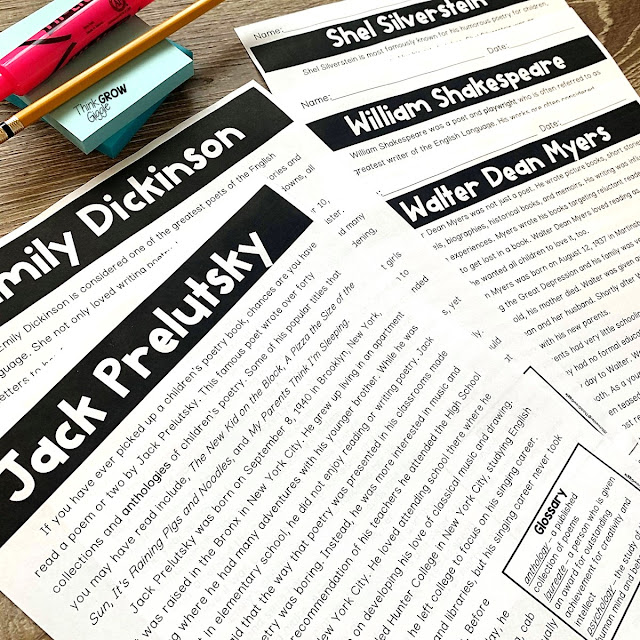
Poetry anthologies are a great way to sneak in poetry read alouds if you are short on time. Shel Silverstein’s poems are my favorite to share with students, but we often read from Jack Prelutsky’s anthologies, too! What I love about anthologies is that they are addicting and contagious. Once you start reading from Shel’s books, you won’t be able to stop, so you will easily find the time to sneak in a poem or two during free moments. Your students will be so addicted, too, that you will see them begin to borrow his books from the library! It is such an authentic way to hook young readers, especially your reluctant readers. 

Grab the free activities to use with these books!


A Full Moon is Rising written by Marilyn Singer

National Poetry Month Read Aloud for Kids

I just love this book because it is a simple, yet meaningful way to bring together science, social studies, and language arts. This book is filled with poetry about the moon during its different phases in different places around the globe. It ties together nicely with any moon and solar system unit. It is also a great way to bring different cultures into your classroom. At the end of the book, the author provides background information about the location of each of the poems. Students can easily make connections to the poems in this book by writing their own poems about their own cultures, traditions, and home towns. 


You Read to Me, I’ll Read to You written by Mary Ann Hoberman

National Poetry Month Read Aloud for Kids
This is one of my favorite poetry books to use with students of all ages and reading levels. These poems are intentionally written for two people to read, as each poem has stanzas written in three different colors. One reader reads the purple stanzas, the other reader reads the pink stanzas and both readers choral read the blue stanzas. Talk about amazing fluency practice! It is the perfect book to pair up high and low readers and use in small intervention groups or one-on-one with struggling readers. These clever and funny poems will surely entertain your kids! This book is part of a series, so be sure to check out the Fairy Tales and Halloween versions, too! 


Shaking Things Up written by Susan Hood

National Poetry Month Read Aloud for Kids
This picture book of biographical poems is about 14 young women who changed the world. Each poem is written by different poets and illustrated by different artists, making it a unique collection of poems that teach students such wonderful information while reading prose. Not only do I love that these poems are nonfiction in nature and truly teach students about biographies, but since each poem is written about each girl as a young child, students are naturally inspired! A great activity to do with this book would be to compare and contrast each poem’s structure, as well as, compare and contrast each young girl. Follow up by having your students write their own biography poems. You will find your students borrowing this book from your classroom library, again and again!


All the Wild Wonders compiled by Wendy Cooling

National Poetry Month Read Aloud for Kids
I love each of the poems in this book! The entire collection of poetry in this beautifully illustrated picture book is all focused around the beauty of our planet. What I especially love about this book is how perfectly it pairs together with Earth Day with National Poetry Month in the month of April. Why not hit two areas of learning with one book and one activity? "Leave the Whales Alone, Please" is my absolute favorite poem in this book! It is a plea to save the peaceful whales from becoming extinct. It pairs nicely with students writing their own poem about an endangered animal. Encourage students can do a little research about an endangered animal of their choice and then write their poems. I love that students are showing what they learned in the form of an informational poem as a companion activity with this book.


When it comes to reading poetry aloud with your students, you can’t go wrong with any book you share-picture books with rhyming text, stories and novels written in poetic form, or classic poetry from different collections and anthologies. Once you start sharing poetry with your students you will be amazed by the increase in motivation and engagement. Welcome poetry into your classroom not just for National Poetry Month, but all year long, too! 


LOVE this post? Pin to save these ideas!


National Poetry Month Read Aloud for Kids


Want to bring poetry into your classroom? Try these! Click each picture to see more about each activity.


National Poetry Month Read Aloud for Kids


poet biography nonfiction reading upper elementary


Bio poem activity for upper elementary


Grab the FREE Poetry Goodies!

Subscribe to get these poetry activities delivered to your inbox!
    We won't send you spam. Unsubscribe at any time.
    Powered By ConvertKit


    *affiliate links: “Think Grow Giggle is a participant in the Amazon Services LLC Associates Program, an affiliate advertising program designed to provide a means for sites to earn advertising fees by advertising and linking to Amazon.” (source: Section 5)


    signature
    Back to Top